Information Links
Related Conferences
Current Issue Volume 9, Issue 1 - 2026
Cyclodextrins: Development of Systems for Constant and Long-Term Release of Bioactive Compounds
Evelin Iozsa1, Angela Caunii2,3, Monica Butnariu1,*
1University of Life Sciences “King Mihai I” from Timisoara, Timisoara, Romania
2”Victor Babes” University of Medicine and Pharmacy Timisoara, Timisoara, Romania
3Drug Data Analysis Center, Computer Chemistry and the Internet of Medical Things, “Victor Babes” University of Medicine and Pharmacy Timisoara, Timisoara, Romania
*Corresponding author: Monica Butnariu, University of Life Sciences “King Mihai I” from Timisoara, Timisoara, Romania, E-mail: [email protected]
Received Date: May 28, 2026
Published Date: June 18, 2026
Citation: Iozsa E, et al. (2026). Cyclodextrins: Development of Systems for Constant and Long-Term Release of Bioactive Compounds. Mathews J Nutr Diet. 9(1):47.
Copyrights: Iozsa E, et al. © (2026).
ABSTRACT
Cyclodextrins are cyclic oligosaccharides obtained by enzymatic degradation of starch. Due to their unique truncated cone shape, they have a hydrophobic internal cavity (which attracts fats) and a hydrophilic external surface (soluble in water). Cyclodextrins are cyclic oligomers obtained from the enzymatic degradation of starch. Cyclodextrins have a special structure composed of a hydrophobic cavity in which various poorly soluble medicinal substances can be included to form water-soluble inclusion complexes. This characteristic is at the origin of many uses of different types of cyclodextrins and they find their applicability in numerous fields: pharmaceutical and cosmetic industry, biotechnology, nanotechnology, medicine, food industry, textile industry, etc. The formulation of a cyclodextrin–drug complex depends on their chemical structure and physicochemical properties. In the pharmaceutical industry, cyclodextrins are frequently used, mainly due to their ability to increase the solubility of a poorly soluble drug substance without changing its physicochemical and biological properties.
Keywords: Drug Solubility, Cyclodextrins, Inclusion Compounds, Hydrophobic Internal Cavity, Enzymatic Degradation.
INTRODUCTION
Molecular recognition chemistry is the most important part of host-guest chemistry, the main components being the receptor (host molecule) and the substrate (guest molecule). Cyclodextrins and their derivatives are among the most studied classes of artificial receptors. Cyclodextrins are a family of cyclic oligosaccharides obtained from starch by enzymatic hydrolysis. The best known are built from 6, 7 or 8 D-glucopyranose units joined by oxygen bridges and are called α, β and γ-cyclodextrin. These are sometimes also called parent cyclodextrins, because cyclodextrin derivatives are obtained by attaching functional groups to the basic structure.
This review was done using MEDLINE as well as other NLM resources from the PubMed database. Cyclodextrins (CDs) represent a special category of carbohydrates. They form inclusion compounds with a wide variety of guest molecules; inclusion compounds are stable in the solid state, but also in solution, due to the ring structure of CDs. In recent years, research has gained momentum on the inclusion phenomenon, on the interactions that occur between the guest molecule and the host molecule of the cyclodextrin. It is known that molecules or functional groups of molecules with less hydrophilic properties than water are included in the cavity of CDs, in the presence of water, provided that the guest molecule has an appropriate size so that it can be included in the cavity of the CDs. By introducing the guest molecule into such a solution, polar-apolar interactions occur, which result in the replacement of water molecules in the cyclodextrin cavity with guest molecules less polar than water [1]. Therefore, it can be said that the inclusion process is determined by the substitution of water molecules in the cyclodextrin cavity with guest molecules. In the pharmaceutical industry they are used mainly as complexing agents, to increase the water solubility of poorly water-soluble medicinal substances and to increase their bioavailability and stability. The CDs are also used to minimize or reduce undesirable effects at the gastrointestinal or ocular level, to reduce or completely eliminate the unpleasant smell or taste of some active ingredients and to reduce medicinal incompatibilities or those that may occur between active ingredients and excipients [2]. The CDs are characterized as cyclic oligosaccharides by Schardinger in 1904, who described the preparation, separation and purification of α and β CDs. Three natural CDs are known and a series of derivatives are either already commercialized or are in the research phase, thus providing a wide range of products with different degrees of solubility in water (Figure 1).
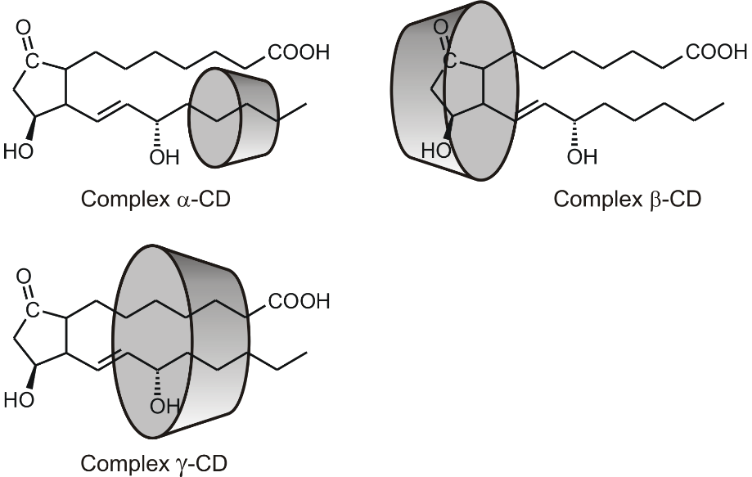
Figure 1. Proposed inclusion modes for prostaglandin E1, with three natural CDs.
The α and ß CD were the first to be used in effective dosages of some forms of prostaglandins of type E, improving the chemical stability and water solubility of the drug molecules by forming inclusion complexes (Figure 1) [3]. The CDs are a group of naturally occurring cyclic oligosaccharides that are formed by the enzymatic cyclization of starch with the help of a group of amylases, called lycosyltransferases.
The CDs are composed of six, seven or eight α-D-glucopyranose fragments that are joined together by maltose-type (1,4-α) bonds. Depending on the number of these fragments, 3 types of CD are known: α-CD, β-CD and γ-CD (see Table 1).
Table 1. Molecular parameters of cyclodextrins
|
Parameter |
α-CD |
β-CD |
γ-CD |
|
Number of glucose fragments |
6 |
7 |
8 |
|
Molecular mass (g/mol) |
973 |
1135 |
1297 |
|
Cavity diameter (nm) |
0.47-0.53 |
0.60-0.66 |
0.75-0.83 |
|
External periphery diameter (nm) |
1.46±0.04 |
1.54±0.04 |
1.75±0.04 |
|
Height of torus (nm) |
0.79±0.01 |
0.79±0.01 |
0.79±0.01 |
|
Approximate cavity volume (ml/mol) |
104 |
157 |
256 |
|
Water solubility (g/100 ml, 25ºC) |
14.5 |
1.85 |
23.2 |
|
[α]D, 25ºC |
150±0.5 |
162.5±0.5 |
177.4±0.5 |
The CDs are stable in basic solutions, and by acid hydrolysis they degrade with the formation of harmless products from the point of view of toxicology. Also, CDs has good resistance to irradiation with UV or IR rays and thermal stability up to 270°C. As a result of the 4C1 conformation of the glucopyranose fragments, all secondary hydroxyl groups are located on one side of the CDs torus, and, respectively, on the other side – all primary hydroxyl groups. Thus, a cavity with a diameter of 0.5-0.9 nm is formed inside this structure, in which the abundance of hydroxyl groups with free electrons from oxygen atoms along the molecule creates an excessive electron density, which gives it the characteristics of Lewis bases.
Also, due to the lack of free rotation at the bonds between the glucopyranose fragments, the CDs molecules do not have an ideal cylindrical, but conical spatial structure.
The C-2-OH group of a pyranose fragment can form a hydrogen bond with the C-3-OH group of the neighboring fragment. Thus, in the CD molecule, a secondary belt formed by these bonds is formed, and due to this fact, β-CD possesses the most rigid structure of the most commonly used CDs. Other reasons, for which β-CD is the most widely used CDs, are: dimensions of the cavity suitable for the formation of complex compounds with a wide variety of drugs (compared to the same ones of α-CD), accessibility (according to wholesale prices in 2005, one kg of β-CD cost $5, one kg of α-CD – $45, and one kg of γ-CD – $80).
Although natural CDs are intensively used in the pharmaceutical industry, it has been proven that they still have some undesirable properties, the limitation of their use in drug formulation being related to the relatively low solubility in water. For this reason, natural CDs have been chemically modified by introducing functional groups at the hydroxyl level of the carbohydrate monomers. This is how, for example, methylated, ethylated, hydroxypropylated CDs, as well as polymerization derivatives of CDs, are obtained, in order to modify the biological behavior of the parent CDs [4].
CYCLODEXTRINS IN PHARMACEUTICAL FORMULATIONS TO INCREASE SOLUBILITY
The CDs are often used in pharmaceutical formulations to increase the solubility, stability and bioavailability of active substance molecules, although natural CDs have relatively low solubility, both in water and in organic solvents, which limits their use in pharmaceutical formulations. Different cyclodextrin derivatives, such as hydrophilic, hydrophobic and ionic forms, have been developed to extend the physicochemical properties and inclusion capacity compared to natural CDs. The CDs are applicable as drug carriers to control the rate and/or time profiles of drug release [5]. Hydrophilic CDs can modify the release rate of poorly water-soluble drugs, an effect that can be used as a factor to increase drug absorption through biological barriers, serving as potent drug carriers in immediate-release formulations. Amorphous CDs, such as ß-hydroxyalkyl CDs, are useful for inhibiting polymorphic transitions and crystallization rates of poorly water-soluble drugs during storage, which can consequently maintain higher dissolution characteristics and oral bioavailability of the drugs. On the other hand, hydrophobic CDs can serve as sustained-release vectors for water-soluble drugs including peptides and protein drugs [6].
Sustained-release formulations can be obtained by using enteric-type CDs such as O-carboxymethyl-O-ethyl-ß CD cyclodextrins (CME-ß-CD, CME-CyD), which are soluble at an intestinal pH of 6–7. (The chemical structures of CDs and the abbreviations used in this review are illustrated in Table 1). A combined use of different types of CDs and/or pharmaceutical additives provides a more balanced oral bioavailability with prolonged therapeutic effects. The most desirable attribute for a drug carrier is the ability to deliver the drug to a target location. Cyclodextrin-derived drugs can survive passage through the stomach and small intestine, but drug release will be triggered by enzymatic degradation of the cyclodextrin ring in the colon; such a cyclodextrin derivative may be a smart way to design a new class of colon-targeted drugs. Furthermore, cationic polymer derivatives of polydextrins may be new candidates for nonviral vectors to enhance plasmid DNA gene transfer [7].
Desirable attributes of drug carriers in drug delivery systems include multi-functional properties such as controlled release, targeting, and enhanced absorption capabilities [8].
SOME CHARACTERISTICS OF CYCLODEXTRINS AS DRUG DELIVERY VEHICLES
Table 2 contains useful cyclodextrin derivatives, classified into hydrophilic, hydrophobic and ionic derivatives. [8].
Table 2. Pharmaceutically useful cyclodextrins
|
Derived from CyD |
|
Features |
Possible use |
|
|
Hydrophilic derivatives |
methylated b-CyD |
Me-b-CyD |
soluble in cold water and organic solvents |
oral, dermal |
|
DM-b-CyD |
mucosal (b) |
|||
|
TM-b-CyD |
||||
|
DMA-b-CyD |
parenteral, oral, mucosal |
|||
|
hydroxyalkylated b-CyD |
2HE-b-CyD |
amorphous mixture with different degrees of subst. |
parenteral, oral, mucosal |
|
|
2HP-b-CyD |
parenteral, oral, mucosal |
|||
|
3HP-b-CyD |
water soluble (> 50 %) |
parenteral, oral, mucosal |
||
|
2,3-DHP-b-CyD |
low toxicity |
parenteral, oral, mucosal |
||
|
b-CyD branched |
G1-b-CyD |
water soluble (> 50 %) |
parenteral, oral, mucosal |
|
|
G2-b-CyD |
low toxicity |
parenteral, oral, mucosal |
||
|
GUG-b-CyD |
parenteral, oral, mucosal |
|||
|
Hydrophobic derivatives |
b-CyD alkylated |
CE-b-CyD |
insoluble in water, soluble in organic solvents, surface-active; insoluble in water, soluble in organic solvents |
oral, subcutaneous (delayed release) |
|
TE-b-CyD |
||||
|
b-CyD acylated |
TA-b-CyD |
mucoadhesive |
oral, parenteral |
|
|
TB-b-CyD |
forms films (film) |
(delayed release) |
||
|
TV-b-CyD |
insoluble in water, soluble in organic solvents, surface-active |
(delayed release) |
||
|
TO-b-CyD |
|
(delayed release) |
||
|
Ionizable derivatives |
Anionic CyD |
CME-CyD |
pKa = 3 – 4; soluble at pH > 4 |
oral, dermal, mucosal (c) (delayed release, enteric) |
|
CyD-sulfate |
pKa > 1; soluble in water |
oral, mucosal |
||
|
SBE4-CyD |
soluble in water |
oral parenteral |
||
|
SBE7-CyD |
soluble in water |
parenterally, orally |
||
|
Al-CyD |
insoluble in water |
parenteral (delayed) |
||
|
Org-CyD |
insoluble in water |
parenteral |
||
|
Me – randomly methylated; DM: 2,6-di-O-methyl; TM: per - 2, 3, 6 - tri - O - methyl; DMA: peracetylated DM – ß – CD; 2 – HE: 2 – hydroxyethyl; 2 – HP: 2 – hydroxypropyl; 3 – HP, 3- hydroxypropyl; 2, 3 – DHP, 2, 3 – dihydroxypropyl; 2,3 – DHP, 2,3 – dihydroxypropyl; G1, glycosyl; G 2 – maltosyl; GUG, Glucuronyl – glucosyl; DE: 2,3 – di – O – ethyl; TE: per – 2, 3, 6 – Tri – O – ethyl; CME: carboxymethyl-O-ethyl; TA: per – 2, 3, 6 – tri – O – acyl (C2 ~ 18); TB: per – 2, 3, 6 – tri – O – butanoyl: TV: per – 2, 3, 6 – tri – O – valeryl; TO: per – 2, 3, 6 – tri – O – octyl; SBE4: d.s.4 from the sulfobutyl ether group; SBE 7: d.s.7 from the sulfobutyl ether group. Org25969: octasodium salt – S – (2 – carboxyethyl)- octathio – γ – CD |
||||
|
a – number of glucose units; b – at the level of mucous membranes: nasal, sublingual, ophthalmic, pulmonary, rectal, vaginal, etc.; c – enteric: soluble in intestinal fluid (pH – 6 – 7) |
||||
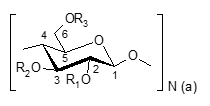
From a safety point of view, bioadaptability is a necessity, and quality, cost-effectiveness, etc. are additional requirements for drug delivery vehicles. Some hydrophilic CDs have been used in pharmaceutical practice in various preparations (Table 3).
Table 3. Examples of pharmaceutical preparations using cyclodextrins
|
Component |
Trade name |
Formula |
|
Prostaglandin E1-α-CD |
Prostanin |
Intraarterial infusion |
|
Prostaglandin E2-ß-CD |
Prostarmon E |
Lossing tablet |
|
OP-1206-α-CD |
Opalmon |
Tablet |
|
Piroxicam-ß-CD |
Brexit |
Tablet |
|
Garlic oil-ß-CD |
Xund, Tegra |
Dragees |
|
Benexate-ß-CD |
Ulgut/Lonmiel |
Capsules |
|
Iodine-ß-CD |
Mena - Gargle |
Garling |
|
Dexamethasone |
Glymesason |
Ointment |
|
Glitter-ß-CD |
|
|
|
Nitroglycerin ß-CD |
Nitropen |
Lossing tablet |
|
Cefotiam hexethyl hydrochloride-α-CD |
Pansporin T |
Tablet |
|
New oral cephalosporin (ME 1207)-α-CD |
Meiact |
Tablet |
|
Tiaprofenic acid-ß-CD |
Suramyl |
Tablet |
|
Chlordiazepoxide-ß-CD |
Transilium |
Tablet |
|
Itraconazole-HP-ß-CD |
Sporanox |
Liquid |
|
Hydrocortisone-HP-ß-CD |
Dexacort |
Liquid |
|
Diclofenac-HP-γ-CD |
Voltalen Sigh |
Eye drops |
|
Ziprasidone SBE-ß-CD |
Geodon |
Injections |
|
Voriconazole SBE-ß-CD |
Vfend |
Injections |
|
Estradiol-methyl ß-CD |
Aerodiol |
Nasal spray |
The CDs have such characteristics – for example, they are quite bioadaptable and are absorbed from the gastrointestinal tract, they interact with specific components of biomembranes, such as cholesterol and lipids, their macrocyclic component is resistant in the stomach and small intestine, but biodegradable in the colon and large intestine, and multifunctional cyclodextrin derivatives are able to modify the physicochemical and inclusion properties of host molecules [9].
The CDs are cyclic oligosaccharides with a unique distribution of hydrophobic/hydrophilic regions, resulting in a well-defined topological amphiphilicity. This property gives CDs distinctive advantages in forming inclusion complexes with small lipophilic molecules, which are fully or partially included in the CD cavity, or with the lipophilic part of a protein, which is partially included in the CD cavity. In this way, the stability and solubility of the guest molecule can be improved, or the target guest molecule can be trapped or masked, enriching the scope of CD applications.
EFFECTS OF THE MOLECULAR ENCAPSULATION PROCESS WITH CYCLODEXTRINS
Changes in physicochemical properties
Many of the active principles are chemically labile and sensitive to light, heat or oxidation. By including some guest molecules in the cyclodextrin cavity, their protection against a series of destabilizing factors is achieved. In a stability study on vitamin A palmitate, the photodegradation of the active substance maintained at room temperature was determined, when it was found that the half-life (t1/2) was 16 hours. In the case of the inclusion complex with β-cyclodextrin, t1/2 increases to approximately 45 hours. Also, a reduction in the hydrolysis processes was observed for a series of substances, such as: prostacyclin, indomethacin, cardiac glycosides, procaine, benzocaine, and a decrease in the oxidative processes and thermal decomposition in the case of nitroglycerin, isosorbide dinitrate and vitamin D3. For a series of substances, a decrease in photodecomposition reactions was observed: phenothiazines, fat-soluble vitamins, benzaldehyde, metronidazole, and for others, a reduction in the dehydration phenomenon (prostaglandins E1 and E2) [10].
Improving solubility
The water solubility of guest molecules can be modified by complexation with CDs and especially with their semi-synthetic derivatives. Due to the interaction of the –OH groups with water, CDs exhibit a sufficiently high hydrophilicity to be soluble in water. When a molecule with low water solubility is included in the hydrophobic cavity, it is surrounded by cyclodextrin. Hydrophilic derivatives of CDs have a higher solubilizing power than the parent CDs. An improvement in solubility and dissolution rate has also been observed in the case of other medicinal substances, such as: nonsteroidal anti-inflammatory drugs, steroid hormones, cardiotonic glycosides, oral antidiabetics, fat-soluble vitamins, sulfonamides, benzodiazepines, cinnarizine [11].
Improving bioavailability
In the case of active principles with low bioavailability (due to solubility problems), the modification of solubility can lead to an improvement in bioavailability. The mechanism is as follows: in the presence of biological fluids, the solid inclusion complex dissolves and dissociates more or less, in accordance with the stability constant. The three equilibrium products are in contact with the biological membrane: the inclusion complex, the cyclodextrin as such and the free active substance. Both the inclusion complex and the cyclodextrin are sufficiently hydrophilic on the outside to be absorbed in a significant amount by lipid membranes. On the other hand, after being released from the inclusion complex, the poorly water-soluble active substance is available for absorption through the same membrane. Such a mechanism of improving bioavailability is suitable for the oral administration route of solid forms, but CDs can also be used for other administration routes for same purpose (to improve the bioavailability of active principles) [12].
Reducing adverse effects
The inclusion process can provide protection to the guest molecule included in the cyclodextrin cavity from the environment, but it can also reduce certain adverse effects that the active substance normally causes. An undesirable effect is the bitter or irritating taste of some products. The formation of inclusion complexes with CDs can reduce the bitter taste of femoxitine or benzyclanate fumarate. Much more interesting is the decrease in the ulcerogenic effect of orally administered nonsteroidal anti-inflammatory drugs. This effect has a dual origin: local and systemic. The gastroprotection provided is, however, only local and incomplete, as a result of the balance that exists between the dissolved complex, the free active substance and the cyclodextrin itself. However, the inclusion of phenylbutazone, naproxen in β-cyclodextrin or indomethacin in β-cyclodextrin or hydroxypropyl-β-cyclodextrin ultimately resulted in a decrease in the ulcerogenic effect on the gastrointestinal tract [13].
USE OF CYCLODEXTRINS IN DRUG FORMULATIONS
The CDs can be used in the pharmaceutical industry, either in the complexation process or as auxiliary substances (carriers, diluents, solubilizers, absorption promoters, etc.). The consequences of complexing medicinal substances with CDs can be summarized as follows:
a) In the formulation of oral medications
- Liquid substances can be transformed into crystalline powders, thus being available for use in the compression process;
- Masking the unpleasant taste or odor of some medicinal substances following complexation with CDs;
- Otherwise incompatible substances can be associated, when either the reaction product or one of the interacting products is complexed;
- The uniformity of the content of tablets with low doses of active substances is improved, and the obtained inclusion complexes can be subjected to the compression operation;
- CDs and their inclusion compounds are not hygroscopic and lend themselves to processing in the form of tablets, demonstrating good compression properties [14].
b) Improving physical and chemical stability
- Stabilization of volatile products;
- Protection of oxidizable compounds against oxidation produced in air;
- Reduction of decomposition, polymerization, autocatalytic reactions;
- Reduction of the sensitivity of the active principle to light, to gastric acidity [15].
c) Increasing the bioavailability of poorly soluble or insoluble medicinal substances in water
- Improving solubility and dissolution rate in water;
- Increasing plasma concentration after oral administration of poorly water-soluble substances complexed with CDs (may result in a possible dose reduction);
- Reducing the hydrophobic character of some drug substances by forming inclusion compounds with CDs, resulting in improved percutaneous or rectal absorption [16].
- In liquid medicinal preparations (injectable, ophthalmic)
- Stable aqueous solutions can be prepared with water-insoluble drugs without using organic solvents;
- Adverse effects, local irritation or hemolytic reactions can be reduced [17].
The transformation of liquid drugs into microcrystalline powders, the stabilization of unstable drugs and the increase in bioavailability are the most important effects of complexation with CDs. Normally, after oral administration of drugs, the bioavailability of the active substance depends on a number of factors: dissolution rate, solubility, intestinal absorption rate. Often, the absorption of uncomplexed drug substances is not complete; by improving solubility and absorption, complexation with CDs can lead to a decrease in the amount of active substances required for an administration. The results of complexation with CDs in the case of solid pharmaceutical forms can be summarized as follows:
- The time required for the drug substance to pass from the solid state to the liquid phase is reduced;
- A higher plasma concentration of the dissolved substance is achieved compared to the uncomplexed form;
- The bioavailability of some poorly soluble or insoluble drug substances in water is improved.
The CDs are natural polymers more favorable for preparing conjugated nanoparticle delivery systems due to their physical and chemical properties. The other advantages of cyclodextrins are: to enhance the bioavailability and stability of drug molecules and to protect them from physical factors, including pH, temperature and some enzymes. These unique polymers have the ability to form nanoconjugates in aqueous media, spontaneously.
The CDs have extremely low systemic toxicity, but the safety profile strictly depends on the route of administration (oral vs. injectable) and their type.
The CDs are cyclic molecules made up of glucose units, obtained enzymatically from starch. They function as molecular “cages”, capable of trapping various substances inside them. They are widely used in the pharmaceutical, cosmetic and food industries because they have the following advantages:
- Increased solubility: Transforms insoluble active substances into water-soluble compounds, dramatically increasing their absorption in the body (bioavailability).
- Improved stability: Protects sensitive compounds against oxidation, light, heat and enzymatic degradation.
- Taste and odor masking: Captures compounds with unpleasant or bitter flavors, making drugs and supplements much easier to administer.
- Prebiotic effects: Some types, such as α-cyclodextrin, stimulate the growth of beneficial intestinal bacteria and inhibit pathogenic bacteria.
- Controlled release: Allows the regulation of the rate of release of the active substance into the body.
Main Disadvantages and Limitations
- Limited compatibility: The encapsulation capacity depends strictly on the size and structure of the active molecule; not every substance can form a complex with the cyclodextrin.
- Potential toxicity: Intravenous administration of certain types (especially native β-cyclodextrin) can cause renal toxicity. However, this drawback has been overcome by the use of chemically modified derivatives (such as HP-β-CD).
- High costs: Enzymatic processes for obtaining and purifying, especially for advanced derivatives, involve significant production costs.
- Gastrointestinal absorption problems: Cyclodextrins themselves are absorbed in very small amounts in the digestive tract, which can create limitations in the formulation of certain oral drugs.
The CDs are cyclic oligomers obtained from the enzymatic degradation of starch. The CDs have a special structure composed of a hydrophobic cavity in which various poorly soluble drug substances can be included to form water-soluble inclusion complexes.
This characteristic is at the origin of many uses of different types of CDs and they find their applicability in numerous fields: pharmaceutical and cosmetic industry, biotechnology, nanotechnology, medicine, food industry, textile industry, etc. The formulation of a cyclodextrin-drug complex depends on their chemical structure and physicochemical properties. In the pharmaceutical industry, cyclodextrins are frequently used, mainly due to their ability to increase the solubility of a poorly soluble drug substance without changing its physicochemical and biological properties.
CONCLUSIONS AND RECOMMENDATIONS
The CDs are an important tool in pharmaceutical formulation to improve the solubility, dissolution rate and chemical stability of poorly water-soluble drugs. Many CDs, including α-CD, β-CD, γ-CD, HP-β-CD and SBE-β-CD, have become standard tools for both pharmaceutical formulation design and drug testing. The CDs are versatile excipients for a wide range of formulation problems. In solid dosage forms, CDs allow the release profile to be adjusted, accelerating or slowing down the release depending on the nature and proportion of the components. The CDs can also be combined with polymers to obtain microparticles and nanoparticles capable of encapsulating hydrophobic drugs, proteins and hormones. The CDs are molecules mainly used as excipients in the pharmaceutical, cosmetic and food industries. Their main role is to increase the solubility, stability and bioavailability of active substances, allowing for their better absorption in the body.
ACKNOWLEDGEMENTS
None.
CONFLICT OF INTEREST
The authors confirm that there are no competing interests or conflicts of interest to disclose.
REFERENCES
- Sherje AP, Dravyakar BR, Kadam D, Jadhav M. (2017). Cyclodextrin-based nanosponges: A critical review. Carbohydr Polym. 173:37-49.
- Rassu G, Sorrenti M, Catenacci L, Pavan B, Ferraro L, Gavini E, et al. (2021). Versatile Nasal Application of Cyclodextrins: Excipients and/or Actives? Pharmaceutics. 13(8):1180.
- Riou L, Ghezzi C, Wouessidjewe D, Law H, Mathieu JP, Defaye J, et al. (2005). Differential effects of cyclodextrins and derivatives on the biological behavior of the myocardial perfusion imaging agent 99mTcN-NOET. Eur J Pharm Biopharm. 61(1-2):40-49.
- Bacri L, Benkhaled A, Guégan P, Auvray L. Ionic channel behavior of modified cyclodextrins inserted in lipid membranes. Langmuir. 2005 Jun 21;21(13):5842-5846.
- Soni SS, D'Elia AM, Alsasa A, Cho S, Tylek T, O'Brien EM, et al. (2022). Sustained release of drug-loaded nanoparticles from injectable hydrogels enables long-term control of macrophage phenotype. Biomater Sci. 10(24):6951-6967.
- Conceicao J, Adeoye O, Cabral-Marques HM, Lobo JMS. (2018). Cyclodextrins as Drug Carriers in Pharmaceutical Technology: The State of the Art. Curr Pharm Des. 24(13):1405-1433.
- Celebioglu A, Uyar T. (2023). Green Synthesis of Polycyclodextrin/Drug Inclusion Complex Nanofibrous Hydrogels: pH-Dependent Release of Acyclovir. ACS Appl Bio Mater. 6(9):3798-3809.
- Shao Z, Krishnamoorthy R, Mitra AK. (1992). Cyclodextrins as nasal absorption promoters of insulin: mechanistic evaluations. Pharm Res. 9(9):1157-1163.
- Fujii Y, Takahashi M, Ishiguro T, Sakuma S, Uekama K, Irie T. (2013). Cyclodextrins improve oral absorption of a novel factor Xa inhibitor by interfering with interaction between the drug and bile acids in rats. J Pharm Pharmacol. 65(11):1598-1606.
- Schönbeck C, Westh P, Holm R. (2014). Complexation thermodynamics of modified cyclodextrins: extended cavities and distorted structures. J Phys Chem B. 118(34):10120-10129.
- Ribeiro A, Loureiro R, Cabral-Marques H. (2024). Enhancing Cannabinoid Bioavailability in Pain Management: The Role of Cyclodextrins. Molecules. 29(22):5340.
- Kali G, Haddadzadegan S, Laffleur F, Bernkop-Schnürch A. (2023). Per-thiolated cyclodextrins: Nanosized drug carriers providing a prolonged gastrointestinal residence time. Carbohydr Polym. 300:120275.
- Kanwar JR, Long BM, Kanwar RK. (2011). The use of cyclodextrins nanoparticles for oral delivery. Curr Med Chem. 18(14):2079-2085.
- Salústio PJ, Pontes P, Conduto C, Sanches I, Carvalho C, Arrais J, et al. (2011). Advanced technologies for oral controlled release: cyclodextrins for oral controlled release. AAPS PharmSciTech. 12(4):1276-1292.
- Horikawa T, Hirayama F, Uekama K. (1995). In-vivo and in-vitro correlation for delayed-release behaviour of a molsidomine/O-carboxymethyl-O-ethyl-beta-cyclodextrin complex in gastric acidity-controlled dogs. J Pharm Pharmacol. 47(2):124-127.
- Frédéric B, Malika LS, Marie H, Eric M, Philippe A, Mohamed S. (2008). Percutaneous absorption of metopimazine and effect of cyclodextrins. Drug Dev Ind Pharm. 34(5):478-484.
- Abdelbari MA, Mosallam S. (2025). Liposomes incorporating cyclodextrins as a promising drug delivery system to augment the bioavailability of poorly soluble drugs. J Liposome Res. 35(3):312-320.
