Information Links
Related Conferences
Current Issue Volume 9, Issue 1 - 2026
Packaging of Fruits on the Vine, a New Horizon to Increase their Shelf Life (Case Study: Pistachio)
Behjat Tajeddin*
Professor, Agricultural Engineering Research Institute (AERI), Agricultural Research, Education and Extension Organization (AREEO), Karaj, Iran
*Corresponding author: Behjat Tajeddin, Professor, Agricultural Engineering Research Institute (AERI), Agricultural Research, Education and Extension Organization (AREEO), Karaj, Iran, Tel: +98-26-32705242, FAX: +98-26-32706277, ORCID: 0000-0002-9098-0334; E-mails: [email protected]; [email protected]
Received Date: February 02, 2026
Published Date: May 16, 2026
Citation: Tajeddin B. (2026). Packaging of Fruits on the Vine, a New Horizon to Increase their Shelf Life (Case Study: Pistachio). Mathews J Nutr Diet. 9(1):45.
Copyrights: Tajeddin B. © (2026).
ABSTRACT
In a sustainable agricultural system, preserving the nutritional value of foods such as fruits by reducing its waste and increasing shelf life without harming the environment or imposing an additional burden on nature is an ideal issue. In many cases, inspiration from nature helps to sustain this theme. In nature, many fruits last better as long as they are attached to their roots, but they undergo changes after harvesting. However, there is no other way; to eat them on the one hand and to prevent them from ripening too much which may have complications on the other hand, they must be harvested. Delicious and useful fruits such as pistachios, grapes, barberries, dates, Tomatoes, etc. ripen on the vine. Therefore, harvesting them with clusters (fruits on the vine) and packaging them in the same condition may have a positive effect on their longer storage. In general, storing such products on the vine (with their stems, clusters, or green parts) can help maintain their freshness, quality, and shelf life, but the severity of the effect, and the reason and mechanism for it, may vary for each product. As a case study, pistachios on the vine were packaged under modified atmosphere packaging (MAP) and refrigerated at 5±1°C. Quality factors and appearance of the samples showed that pistachios on the vine had better results than individual pistachios. In addition to the brilliant results of this case study that has already been published, the results of the experiences of leading farmers and some researchers in the preservation of fruits on the vine indicate the increase of their shelf life on the vine, which is discussed in this paper.
Keywords: Fruits on the Vine, MAP, Packaging, Quality, Shelf Life.
INTRODUCTION
Achieving food security without endangering the ecosystem and biodiversity is an important global strategy in the context of limited resources and climate change. Therefore, maintaining the quality and nutritional content of fresh products is a major challenge [1]. In general, fruits are divided into two categories based on ripening: climacteric and non-climacteric. Climacteric fruits have the capacity to continue ripening once separated from the plant. They are also characterized by a rapid increase in the rate of respiration and ethylene release. The most common examples of climacteric fruit are tomato, apples, pears, avocado, banana, mango, papaya, kiwi, etc. Non-climacteric fruits have a different ripening pattern. They do not have a peak of ethylene production or respiration during ripening; therefore, they need to be harvested when they are fully ripe. Some examples of nonclimacteric fruits include cherries, grapes, strawberries, blueberries, etc [2]. Thus, it makes sense to pay attention to this important property of fruits when harvesting and packaging them.
On the other hand, several strategies can be applied to increase the shelf life of fruits. Such approaches consist of maintaining them at low temperatures from harvest to retail and using properly packaging treatments such as simple packaging, modified atmosphere packaging (MAP), nano and multilayered films [3-5].
Furthermore, some crops such as pistachios, barberries, grapes, dates, banana, papaya, etc., grow in clusters form on the tree [6,7]. For these delicious fresh fruits, widely used, and with high economic value, which ripen on the cluster, it seems that their longer storage has an important role in the economy of farmers and in general, producers and suppliers of fresh fruits. For example, kiwifruit as a typical climacteric fruit is fruit rich in various nutrients and antioxidant substances has greatly shortens the shelf life. However, on vine ripening is a convenient and economical storage method for kiwifruit to preserve its quality and antioxidant activity like natural phenolic compounds [8].
In view of the above, this article discusses some of the most important types of “on the vine fruits” and their physiological traits, packaging strategies (simple packaging, perforated films, MAP, etc.), and deals with the benefits and usefulness of storing products with clusters using the results of a case study (research project) experience on pistachios [7].
ADVANTAGES OF FRUITS ON THE VINE HARVESTING
When the crop is attached to its cluster, it seems to still have its original identity and can demand life from nature for longer. In addition, it gives the consumer a sense of freshness and originality of the fruit. Some of the most important of these fruits are mentioned below. The amount of fruit waste will also be less in this case. Due to the longer shelf life and the attractiveness of packages containing cluster fruits, fresh fruits can be seen on store shelves for a longer time outside of their production season. For example, flavor of tomatoes on the vine is always on due to they picked at their peak, and these vine-ripened beauties fruits are full of rich and juicy sweetness and a strong aroma that enhances any food more beautiful. Such tomatoes are firm and hearty with a thick wall that retains its sweet juice. And it evokes the sweet and classic taste of garden-fresh tomatoes rich in lycopene, antioxidants, and vitamins A and C in the consumer's mind [9].
TYPES OF ON THE VINE FRUITS
Some fruits ripen on the vine (with the bunch or stem attached) and it is possible to harvest them with the vine. Some of the most important ones are mentioned below.
Tomatoes
Tomato is a typical climacteric fruit [10]. However, red on the vine tomatoes are marketed and sold stem-on, with four or five tomatoes to each vine. As they are allowed to ripen to a later stage of maturity, they have a higher sugar content, are uniformly bright red, and medium-sized [11]. In general, it seems that the green part (calyx) and the stem or cluster of the tomato act as a natural cap, preventing bacteria and fungi from entering the fruit at the stem junction. On the other hand, removing the stem may cause wounds in the skin of the fruit, which will be the beginning of rot. Figure 1 is an example of tomatoes on the vine showing the green part and the stem.
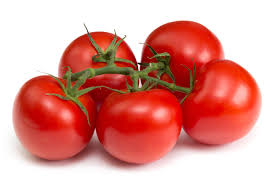
Figure 1. Tomatoes on the vine (Photo is taken by the author, Save on Foods chain store, Canada, 2023).
Pistachio
Pistachio (Pistacia vera L.) is an edible kernel of the pistachio fruit that widely grows in hot and dry regions of the Middle East, Mediterranean countries and the United States of America. The highest pistachio production in the world (tons) is recently related to Iran (337815), USA (335660), China (106155) and Turkey (85000), respectively [12]. Since fresh green-skinned pistachios are very sensitive and spoil quickly, storing them on a branch or cluster if they are small in volume can help with better ventilation. Figure 2 is an example of pistachios on the vine. Pistachio is a non-climacteric fruit [13].
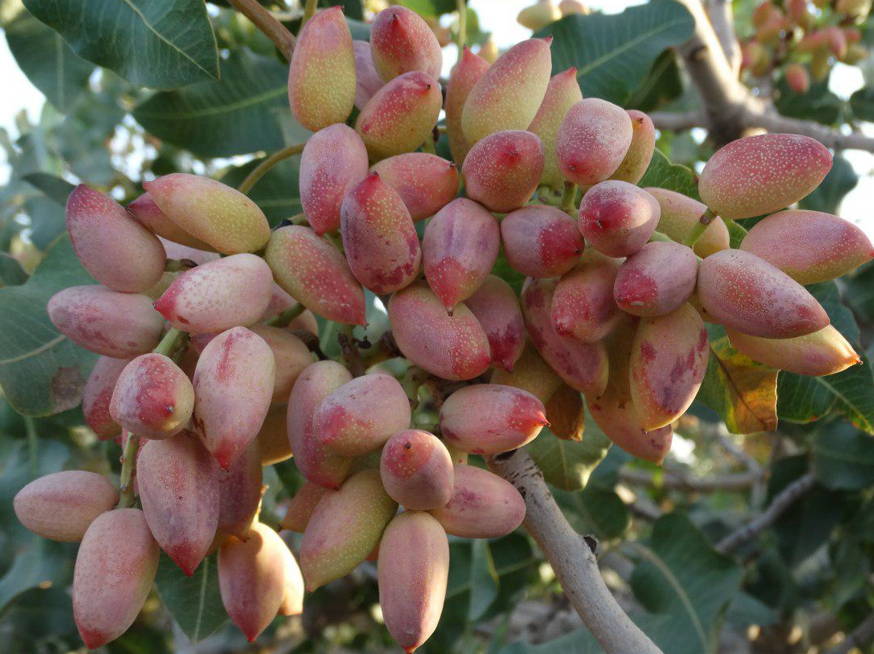
Figure 2. Pistachios on the vine [6,7].
Dates
Dates are the fruit of the date palm tree with a ridged kernel that attached to their thin spindly vine (Figure 3). There are two types of dates, soft with a high moisture content, low sugar content and soft flesh and semi-soft with a high sugar content, relatively low moisture content and a firmer texture. The semi-soft are dates such as Deglet Noor, Zahidi, etc., and soft varieties of dates include the Medjool, Khadrawy, Halawy, etc. Dates are non-climacteric fruits. It should be noted that the stem of the date acts as a gasket and prevents the rapid evaporation of moisture from the inside of the date. Dates without stems harden and dry faster. In addition, the stem helps the date maintain its shape and not be crushed. Also, the stem joint is a point where contamination can enter if it is injured. A healthy stem blocks this entrance.
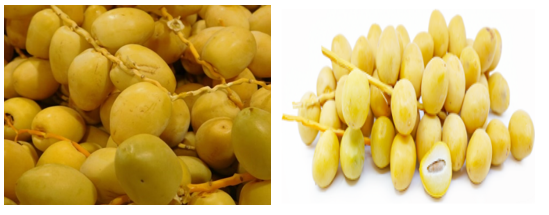
Figure 3. Dates (Barhi variety) on the vine [14].
Barberry
Barberry is a non-climacteric fruit [15], and the results of the experiences of the leading farmers in the storage of cluster fruits such as barberry (Figure 4), this valuable nutritional and medicinal fruit also indicate the increase of their shelf life on the vine.
Iranian seedless barberry (Berberis integerrima ‘Bidaneh’, Berberidaceae) has long been cultivated for its fruit in South Khorasan, Iran. There are more than 11,000 ha under production producing more than 9200 tonnes of dried fruit, annually. Barberry is cold hardy and drought tolerant. The small fruits are harvested in the autumn and sun drying is a satisfactory system. Barberry plant and its fruit have been used in traditional medicine. They are well documented for their anti-diabetic, anti-cancer, and antimicrobial activities with berberine as the main active constituent. The shrub has also ornamental uses in the landscape and the fruit is used as food additive. In addition, anthocyanin of the fruit is useful as a natural coloring agent in food industries. However, Berberi’s species are alternate hosts for rust fungi (Puccinia spp.) and must be avoided in wheat growing areas. For this reason, they have been outlawed in some countries [16].
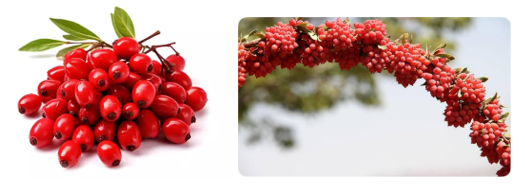
Figure 4. Berberis on the vine [17].
Harvesting barberry is one of the most difficult and expensive stages of the production of this product due to the thin skin and the presence of many thorns and the density of branches in this shrub [17]. Therefore, it is less troublesome to separate its clusters from the shrub and pack them on the vine. It is worth noting that fresh barberries that are separated from the stem lose their moisture faster and shrivel, but keeping fresh barberries on the stem preserves their moisture better. On the other hand, since the stem and green part of the barberry contain aromatic essential oils, separating them from the stem causes these compounds to escape more quickly and reduces the aroma of the product. Therefore, for long-term storage of fresh barberries, it is recommended to keep the stem.
Grapes
In viticulture, the grape cluster or bunch of grapes is a fertilized inflorescence of the grape (Figure 5) that the primary part of this plant used for food. Grapes no longer develop sugar once they’re harvested. Other examples of fruit that don’t ripen after harvesting are cherries and figs. Some fruits like peaches and plums continue to develop sugars and become sweeter after they have been harvested. Since grape is a non-climacteric fruit [18], when they are harvested like figs, and cherries, they are exactly what they should be and will not change in terms of ripeness. They are fully ripe [19]. It is not bad to mention that when grapes are removed from the cluster, they are pressed directly against each other and may be crushed or their skins torn, which can lead to spoilage and mold. The cluster acts as a support structure, preventing the seeds from touching each other. On the other hand, removing the seeds causes small wounds where the seeds attach to the cluster, which are a breeding ground for bacteria and fungi. Keeping the fruit on the cluster protects these wounds. Additionally, the spike stem helps regulate moisture flow and prevents the seeds from drying out or rotting excessively.
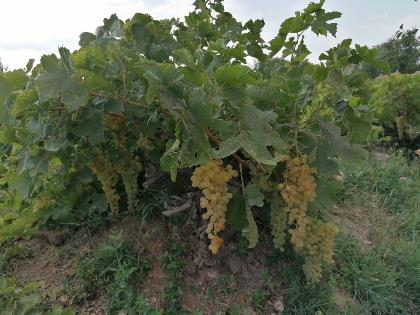
Figure 5. Grapes on the vine (Photo is taken by the author, Iran, 2023), [20].
PACKAGING OF FRUITS WITH THE BUNCH OR STEM ATTACHED
Packaging is one of the appropriate solutions to provide freshness and superior performance of food products., which may be in the form of simple packaging or packaging with a variety of technologies such as modified atmosphere packaging (MAP). Simple packaging may be made with various packaging materials in various forms, including perforated films. MAP packaging may also be made with different simple or combined packaging materials in different forms.
Simple packaging
Simple packaging means putting the food inside a polymer film without (Figure 6-A) or with a container (Figure 6-B). This polymer film may be synthetic or natural, it may be sealed after placing the food inside the polymer film, it may be in the form of a zip keep, or it may be used as a stretch.
The choice of simple package for packaging of fruits on the vine depends many factors, including the respiration rate of the fruit, the duration of product transportation and the shelf life of the product, etc. For example, for a product like tomato that has a high respiration rate, although it is possible to use plain film (Figure 6-A) depending on the consumption conditions, it is better to use perforated film (Figure 6-B) because it can be very effective in keeping it longer.
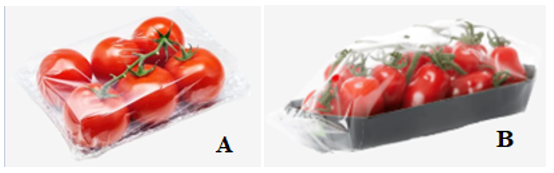
Figure 6. A simple package for packing tomato on vine; Packaging with normal film (A) and packaging with perforated film (B), (Photo taken by the author, Save on Foods chain store, Canada, 2023).
The effect of perforating in pistachio packaging on some quality characteristics of Ahmad Aghaei cultivar pistachio was considered in a research study. The effect of 3 different levels of perforating including high perforating (by creating 6 holes in the package), medium perforating (by creating 3 holes in the package) and no perforating conditions were used in the packaging of pistachio samples and were then kept at room temperature for 12 days. The results of quality characteristics showed that the amount of perforating applied has an important effect on the factors affecting the quality of pistachios during their short-term storage [21]. In the other study, effect of polyethylene packaging with four perforation levels (0 (as a control), 0.5, 1 and 1.5%), storage time (harvest, 30 and 60 days) and their interaction were investigated on pistachio cultivar Ahmadaghaei. The results of quantitative and qualitative characteristics during the storage time suggested the low level of the perforation, i.e.o.5% for 30 days, and the high perforation level, i.e. 1.5% for 60 days [22].
MAP packaging
Using proper packaging treatments, such as MAP and using nano and multilayered films [5,23] can be applied to increase the shelf-life of fruits. In MAP, the natural ambient air in the package is replaced with other gases. In general, dry air contains 20.95% oxygen (O2), 0.03% carbon dioxide (CO2), 78.08% nitrogen (N2), 0.93% argon, and small amounts of other gases. One gas or gas mixtures of O2, CO2, and N2 are usually used in MAP [5,24]. Kader and Labavitch (1980) studied the possibility of using modified atmosphere to store fresh pistachios (47% moisture based on dry weight) and also the probability of production of aflatoxins [25].
However, pistachio on the vine was packaged through MAP for the first time by Tejeddin & Shakerardekani [7]. For this, pistachios on the vine (clustered in-hull fresh pistachios) were packaged in: polyethylene film, 45 µm in thickness; polypropylene/ polyethylene/ polyamide/ polyeth-ylene/ aluminum foil multilayer film, 90 µm in thickness; both films with alcoholic paper; in air, and under two gas mixtures of 88%N2 + 10%CO2 + 2%O2 and 83%N2 + 15%CO2 + 2%O2. Samples were refrigerated at 5±1°C for three months. Quality factors such as mois-ture content, weight loss, respiration rate, pH, texture, and appearance of the samples were monitored for fresh pistachio kernels and clustered pistachios. Data were analyzed in a completely randomized design using one-way analysis of variance. The results showed that the shelf life of MAP samples drastically increased compared to the control (packages without gaseous and alcoholic paper). A comparison of means among the groups suggests that the multilayer bags of fresh clustered pistachios with a mixture of 83%N2 + 15%CO2 + 2%O2 for three months’ storage is a particularly effective treatment. Figure 7 shows, the samples inside the multilayer films were free of the molds and con-tamination at the end of the pistachios on vine storage time. Since fresh green-skinned pistachios are very sensitive and spoil quickly, removing the green skin before long-term packaging reduces the shelf life of the pistachios. Therefore, packaging fresh green-skinned pistachios in small-volume packages increases their shelf life.
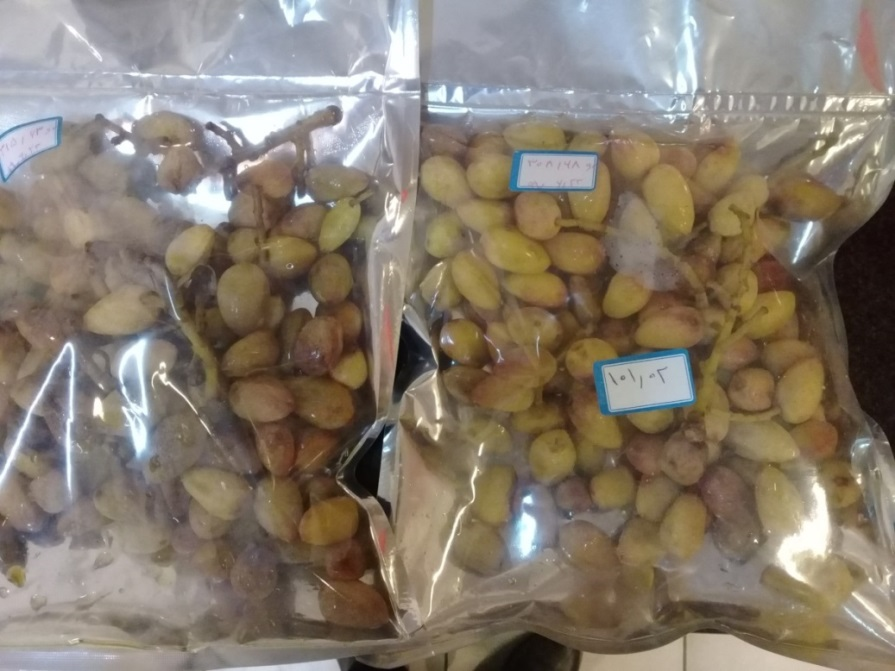
Figure 7. Uninfected samples of fresh pistachios on the vine in multilayer films containing both gas compounds at the end of storage time [22].
CONCLUSION
The present study investigates the effect of packaging on quality fresh fruits on the vine. It seems that the packaging of fresh fruits with the bunch or stem attached, in addition to the benefits mentioned in this paper has a psychological effect on the consumer in terms of the naturalness of these products, has added value due to being considered an organic, luxurious, and delicacy food product. Considering the importance of meta-data and meta-analysis, it is suggested to conduct a systematic study on this topic, including more fruits [26]. In addition, considering the concept of climacteric and non-climacteric fruits, it seems that packaging of non-climacteric cluster fruits such as pistachios, dates, barberry, and grapes is effective in improving their shelf life because they undergo fewer changes during the post-harvest period, and their attachment to the mother branch or stem plays an effective role in protecting them. Although tomatoes are climacteric fruits, if they are harvested shortly before full ripening on the branch, they will have a longer shelf life due to the protective role of the stem. However, since not much data was available to write this paper, and this article is based mostly on the author's work experience on the one hand and her close relationship with leading farmers on the other hand, it is expected that readers and researchers will pay attention to this issue and expand on it based on new data. Also, as a conclusion, the following general scientific reasons such as reducing surface wounds, controlling moisture, preserving volatile compounds, and reducing physical damage for maintaining better quality can be stated in storing products with stems or clusters.
CONFLICTS OF INTEREST
Author declares no conflicts of interest.
ABBREVIATIONS
The following abbreviation is used in this manuscript and references:
|
AREEO |
Agricultural Research, Education, and Extension Organization |
|
MAP |
Modified Atmosphere Packaging |
REFERENCES
- Yousefnia Pasha H, Mohtasebi SS, Tajeddin B, Taherimehr M, Tabatabaeekoloor R, Soltani Firouz M, et al. (2023). The effect of a new bionanocomposite packaging film on postharvest quality of strawberry at modified atmosphere condition. Food and Bioprocess Technology. 16(2):1246-1257.
- Karagiannis E. (2024). 1- Postharvest physiology of climacteric and nonclimacteric fruits and vegetables. In: Ziogas V, Corpas FJ, Editors. Oxygen, Nitrogen and Sulfur Species in Post-Harvest Physiology of Horticultural Crops. Academic Press, USA. pp. 1-21. ISBN: 978-0-323-91798-8. DOI: 10.1016/C2021-0-01129-9.
- Mexis SF, Badeka AV, Riganakos KA, Karakostas KX, Kontominas MG. (2009). Effect of packaging and storage conditions on quality of shelled walnut. Food Control. 20(8):743-751.
- Zhang M, Meng X, Bhandari B, Fang Z, Chen H. (2015). Recent application of modified atmosphere packaging (MAP) in fresh and fresh-cut foods. Food Reviews International. 31(2):172-193.
- Tajeddin B, Ahmadi B, Sohrab F, Chenarbon HA. (2018). Polymers for modified atmosphere packaging applications. Food Packaging and Preservation. Academic Press, USA. pp. 457-499.
- Tajeddin B. (2021). Final research report of “shelf-life extension of fresh pistachio by MAP”, AREEO, No. 60522, 2021. (Abstract in English, Details in Persian).
- Tajeddin B, Shekarardekani A. (2022). The effect of packaging and storage time on quality of clustered fresh pistachio. J Food Sci. 87(7):2943-2952.
- Jia D, Liao G, Ye B, Zhong M, Huang C, Xu X. (2024). Changes in fruit quality, phenolic compounds, and antioxidant activity of kiwifruit (Actinidia eriantha) during on-vine ripening. LWT. 206:116564.
- Anon. (2025a). Tomatoes on the vine. Available at: https://naturefreshfarms.com/our-produce/tomatoes/tomatoes-on-the-vine-tov
- Li H, Liu G, Fu D. (2023). Transcriptional regulation of tomato fruit quality. Postharvest Biology and Technology. 202:112393.
- Anon. (2025b). Red tomato on the vine. Available at: https://specialtyproduce.com/produce/Red_Tomato_On_The_Vine_12069.php
- FAOSTAT. (2019). Available at: http://www.fao.org/faostat/en/#data/QC. Accessed 7 June 2021.
- Sheikhi A, Mirdehghan SH, Ferguson L. (2019). Extending storage potential of de-hulled fresh pistachios in passive-modified atmosphere. J Sci Food Agric. 99(7):3426-3433.
- Mohamadpour I. (2015). Final research report of “The effect of MAP on the shelf life and quality of Barhi dates at the Kharak stage”, AREEO, No. 46706, Date 28/02/2015. (Abstract in English, Details in Persian).
- Rodoni LM, Feuring V, Zaro M, Sozzi GO, Vicente AR, Arena ME. (2014). Ethylene responses and quality of antioxidant-rich stored barberry fruit (Berberis microphylla). Scientia Horticulturae. 179:233-238.
- Alemardan A, Asadi V, Rezaei M, Tabrizi L. (2013). Siavash Mohammadi. Cultivation of Iranian seedless barberry (Berberis integerrima ‘Bidaneh’): A medicinal shrub. Industrial Crops and Products. 50(4):276-287.
- Zeraatgar H, Tavakoli Karghand GR. (2020). Seedless barberry (harvesting and processing). Agricultural Education and Extension Institute, South Khorasan Agriculture and Natural Resources Research and Education Center, Iran. Promotional Issue No. 57862, Date 18/07/2020.
- Chervin C, El-Kereamy A, Roustan JP, Latche A, Lamon J, Bouzayen M. (2004). Ethylene seems required for the berry development and ripening in grape, a non-climacteric fruit. Plant Science. 167(6):1301-1305.
- Morris R. (2014). Leave grapes on the vine to sweeten. Xtreme Horticulture. Available at: https://www.thespectrum.com/story/life/features/mesquite/2014/11/13/leave-grapes-vine-sweeten/19001283/
- Maftoonazad N. (2025). Final research report of “Estimation of the quantity and economic value of grape losses and waste, and identification of critical points of occurrence across different stages of the supply chain”, AREEO, No. 68491, Date 16/11/2025. (Abstract in English, Details in Persian).
- Shakerardekani A, Noormohamadi H. (2024). The role of perforated packaging in increasing the shelf life of fresh pistachio. Journal of Chemical Health Risks. 14:1-9.
- Nazoori F, Zamanibahramabadi E, Hosseinpoor B, Mirdehghan SH. (2021). Shelf life of fresh in-hull pistachio in perforated polyethylene packaging. Journal of Food Measurement and Characterization. 15(7):5528-5536.
- Ghidelli C, Pérez-Gago MB. (2018). Recent advances in modified atmosphere packaging and edible coatings to maintain quality of fresh-cut fruits and vegetables. Crit Rev Food Sci Nutr. 58(4):662-679.
- McMillin KW. (20080. Where is MAP Going? A review and future potential of modified atmosphere packaging for meat. Meat Sci. 80(1):43-65.
- Kader AA, Labavitch JM. (1980). Quality and safety of pistachio nuts as influenced by post-harvest handling procedures. Department of Pomology, University of California, Davis, CA 95816, USA.
- Tajeddin B. (2024). Systematic review and meta-analysis steps for choosing suitable packaging material (case study: food safety). Nutrition and Food Technology: Open Access. 9(1):1-5.
