Information Links
Related Conferences
Current Issue Volume 9, Issue 1 - 2026
Fish and Fisheries Resources as Drivers of Nutrition Security and Livelihood Resilience in Coastal Communities: A Systematic Review
Prabal Barua1,*, Anisa Mitra2
1Department of Environmental Sciences, Jahangirnagar University, Dhaka, Bangladesh
2Department of Zoology, Sundarban Hazi Desarat College, South 24 Parganas, West Bengal, India
*Corresponding author: Prabal Barua, Department of Environmental Sciences, Jahangirnagar University, Dhaka, Bangladesh, E-mail: [email protected]
Received Date: March 03, 2026
Published Date: April 17, 2026
Citation: Barua P, and Mitra A. (2026). Fish and Fisheries Resources as Drivers of Nutrition Security and Livelihood Resilience in Coastal Communities: A Systematic Review. Mathews J Nutr Diet. 9(1):44.
Copyrights: Barua P, and Mitra A. © (2026).
ABSTRACT
Coastal communities, comprising nearly 40% of the global population, depend heavily on fisheries for food, income, and cultural continuity. Fisheries and Fish resources are important for ensuring food security and that the people in coastal communities have the means to be resilient in their livelihoods. The purpose of this study is to conduct a systematic review which follows PRISMA 2020 guidelines in order to summarize what the current evidence shows regarding the impact that fish and fisheries have on dietary diversity and the overall socioeconomic status of individuals. Using different reputed publishing databases and institutional linkages, the authors found a total of 1,246 records through an extensive number of searches. Of those records, only 32 studies passed inclusion criteria to be analyzed. Overall, it was found that fisheries contribute to increased dietary diversity and micronutrient intake (especially omega-3 fatty acids, iron, zinc, and vitamin A). Out of the 32 studies reviewed, 78% demonstrated positive relationships between fish consumption and increased nutritional status. It was found that Fish supply highly bioavailable micronutrients—including iron, zinc, calcium, vitamin B12, and omega-3 fatty acids—critical for maternal and child health. Small-sized farmed fish juveniles can contain substantially higher calcium and vitamin B12 concentrations than larger adults, offering nutritional benefits comparable to wild small indigenous species. While fish were widely available in many countries where the studies were conducted, fish consumption did not always produce positive impact on nutritional status as a result of the use of market-based supply chains, the limited availability of fish for purchase, and intra-household disparity. Additionally, there were also many barriers to good governance that prevented fisheries from becoming important components of food and nutrition policies because they were not well integrated into either health or nutrition policy and as a result, did not adequately support the improvement of nutrition. Research provides moderately strong evidence which suffers from three main issues because of different research methods used and uneven geographic distribution of studies and the absence of long-term research. The review demonstrates that governments need to implement integrated policy solutions which will help them achieve their goals for fisheries management and public health and nutrition security. Small-scale fisheries development together with local community access expansion to fish resources establishes essential pathways which will bolster food security and strengthen resilience for coastal ecosystems.
Keywords: Fisheries Resource, Nutrition Security, Livelihood Resilience, Coastal Communities, Small-Scale Fisheries, PRISMA, Food Security, Systematic Review.
INTRODUCTION
Coastal and inland aquatic ecosystems occupy a central yet historically underrecognized position in global food systems. Fisheries and aquaculture collectively provide food, employment, and income to billions of people while contributing substantially to national economies and international trade. Global aquatic animal production has reached record levels, supplying nearly one-fifth of per capita animal protein intake worldwide [1]. In many coastal and small island developing states, fish accounts for more than half of total animal protein consumption, underscoring its indispensable dietary role.
Approximately 40% of the global population resides within 100 kilometers of coastlines, where marine ecosystems directly shape livelihoods, food systems, and cultural identities. Small-scale fisheries contribute roughly 40% of global capture fisheries production and support nearly 90% of individuals engaged in capture fisheries. Women comprise almost half of the workforce in post-harvest processing and trade, highlighting the gendered structure of fisheries economies. These figures position fisheries not merely as commodity-producing sectors, but as complex socio-ecological systems embedded within coastal livelihoods and nutritional landscapes [2-4].
Aquatic foods—including fish, invertebrates, and other marine and freshwater organisms—provide essential nutrients to approximately 2.3 billion people worldwide [5]. Beyond protein provision, fish are uniquely nutrient-dense sources of bioavailable micronutrients critical for human health. They supply long-chain omega-3 fatty acids (DHA and EPA), vitamin B12, vitamin D, iron, zinc, iodine, selenium, and calcium—nutrients frequently deficient in terrestrial-based diets and often less bioavailable from plant sources [6,7]. These nutrients are essential for cognitive development, immune function, maternal health, and cardiovascular protection.
Recent nutrient flow modeling further underscores the global nutritional significance of aquatic foods. Hicks et al. [8] demonstrate that reallocating a fraction of global marine catch to nutritionally vulnerable populations could substantially reduce deficiencies in vitamin B12, zinc, and iron. Similarly, analyses of aquaculture production between 2015 and 2019 suggest that farmed aquatic foods could meet recommended intakes for multiple key nutrients for millions of people [9]. Such findings challenge conventional narratives that frame fish primarily as a source of protein rather than as a cornerstone of micronutrient security.
Small fish species deserve particular attention within this discussion. Anchovies, sardines, and other small pelagics often contain high concentrations of bioavailable micronutrients when consumed whole, including bones and viscera where calcium, iron, and vitamin A are concentrated. These low-trophic species are frequently more resilient to fishing pressure and climatic variability than large predatory fish, positioning them as potentially sustainable nutrition solutions [10]. Their importance is amplified in low-income coastal regions where dietary diversity is limited and micronutrient deficiencies remain prevalent.
Despite this substantial nutritional potential, coastal communities often experience high levels of food insecurity and malnutrition. This paradox—proximity to nutrient-rich marine resources alongside persistent nutritional vulnerability—represents a critical puzzle in contemporary food systems research. Evidence from the Indian Ocean region illustrates this contradiction. Although the region supports highly productive fisheries, several bordering countries face widespread micronutrient deficiencies. For example, Bangladesh’s seafood production could theoretically meet a large proportion of national omega-3 and vitamin B12 requirements, yet significant deficiencies persist. Similarly, Madagascar harvests zinc-rich fish species while experiencing high rates of zinc and vitamin B12 deficiency [11,12]. These cases highlight a disconnect between resource availability and nutritional outcomes.
The Food and Agriculture Organization conceptualizes food security across four dimensions: availability, access, utilization, and stability [1]. Fisheries intersect with each pillar. They enhance availability through capture fisheries and aquaculture production; improve access through income generation; strengthen utilization by providing nutrient-dense foods; and contribute to stability by functioning as seasonal or climate-related safety nets. However, these pillars are interdependent. Regions may exhibit high production yet suffer from malnutrition due to export orientation, price inflation, or inequitable intra-household allocation. Consequently, fisheries–nutrition linkages must be evaluated through integrated entitlement pathways rather than production metrics alone.
Global seafood trade further complicates these dynamics. International markets often redistribute fish from low-income producing regions to high-income consuming nations. While export revenues contribute to national economies, nutrient flows may bypass nutritionally vulnerable populations. Golden et al. [13] warn that climate-driven declines in tropical fisheries could intensify this inequity, disproportionately affecting populations already dependent on fish for micronutrients. These dynamics underscore the need to situate fisheries within broader political economy frameworks, where trade liberalization, value-chain consolidation, and global demand shape who benefits from marine resources.
The sustainable livelihoods framework provides an additional analytical lens. It conceptualizes poverty alleviation through five forms of capital: natural, human, financial, physical, and social. Fisheries contribute directly to each. Natural capital encompasses fish stocks and aquatic ecosystems; human capital includes fishing skills and nutrition-derived health; financial capital derives from harvest and trade income; physical capital includes boats and infrastructure; and social capital emerges through cooperative networks and customary tenure systems. Small-scale fisheries are typically labor-intensive and embedded within community-based knowledge systems. Women’s participation in processing and marketing strengthens household food security, as income under female control is frequently allocated toward food, education, and healthcare.
However, vulnerabilities arise when natural capital declines due to overfishing, habitat degradation, or climate stress. Approximately one-third of global fish stocks are overexploited [1]. Coral reef fisheries—critical protein sources throughout the tropics—have experienced significant biomass declines. Ecological degradation erodes financial and nutritional pathways simultaneously, generating compounded livelihood shocks. Climate change introduces additional stressors, including ocean warming, acidification, extreme weather events, and shifting species distributions. These processes threaten both the availability of nutrient-rich species and the stability of fishing incomes (Table 1).
Table 1. Key Threats to Fisheries Contributions to Nutrition and Livelihood Resilience
|
Threat Category |
Specific Manifestations |
Nutritional Impact |
Livelihood Impact |
|
Ecological |
Overfishing, habitat loss, climate-driven stock shifts |
Reduced availability of nutrient-dense species |
Catch declines, increased fishing costs |
|
Market |
Export orientation, distant-water fishing, price inflation |
Nutrient-rich fish diverted from local consumption |
Income volatility, marginalization from value chains |
|
Governance |
Insecure tenure, weak enforcement, policy exclusion |
Reduced access to traditional fishing grounds |
Livelihood uncertainty, vulnerability to displacement |
|
Social |
Aging fishing populations, youth out-migration, gender marginalization |
Loss of traditional knowledge, changing consumption patterns |
Labor shortages, intergenerational livelihood transmission failure |
|
Climate |
Warming waters, extreme events, ocean acidification |
Shifts in species composition and nutrient availability |
Asset loss, increased risk, migration pressures |
Market and governance dynamics further shape fisheries’ contribution to nutrition security. Distant-water fishing fleets often capture nutrient-rich species from developing regions, while export-oriented value chains raise domestic prices beyond the reach of low-income consumers (Figure 1). Weak enforcement, insecure tenure rights, and limited community participation undermine sustainable management and equitable access [14,15]. These interacting ecological, economic, governance, and social threats create complex challenges that cannot be addressed through production-oriented policies alone [16].
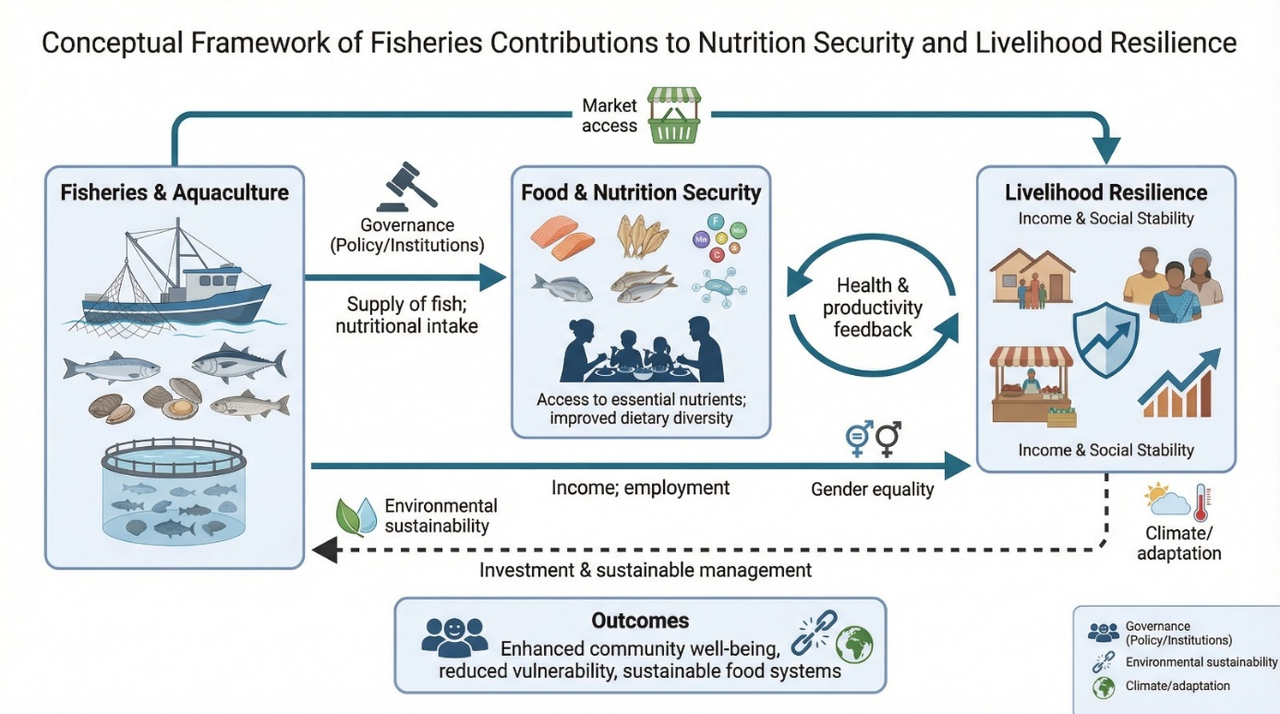
Figure 1. Conceptual Framework of Fisheries Contributions to Nutrition Security and Livelihood Resilience.
Resilience theory emphasizes the capacity of socio-ecological systems to absorb disturbances while maintaining core functions. Coastal fisheries operate within dynamic ecological environments and volatile markets. Adaptive governance, diversified livelihoods, ecosystem-based management, and inclusive decision-making enhance resilience. Conversely, rigid regulatory structures and inequitable resource distribution reduce adaptive capacity. While the “blue growth” paradigm promotes marine economic expansion, ecological constraints limit extractive growth trajectories. Rebuilding overfished stocks could increase sustainable yields, strengthen long-term food security, and enhance ecosystem resilience, but recovery requires time, reduced fishing pressure, and effective governance mechanisms.
This review advances the argument that fisheries are foundational drivers of nutrition security and livelihood resilience in coastal communities. However, their transformative potential is constrained by ecological degradation, inequitable distributional mechanisms, and fragmented governance structures. By synthesizing current evidence and integrating food security, livelihoods, and socio-ecological systems frameworks, this paper pursues four objectives: (1) to examine the nutritional contributions of aquatic foods to coastal populations; (2) to analyze livelihood resilience within small-scale fisheries; (3) to identify direct and indirect pathways linking fisheries to nutrition security; and (4) to propose an integrated framework for nutrition-sensitive fisheries governance that simultaneously advances ecosystem sustainability, dietary quality, and livelihood resilience.
LITERATURE REVIEW
Conceptual Evolution: From Commodity to Nutrition-Sensitive Resource
Fisheries scholarship was historically rooted in bioeconomic theory, prioritizing maximum sustainable yield (MSY), rent optimization, and export performance. Classical resource economics conceptualized fisheries primarily as extractive commodities governed by open-access dynamics [17]. While analytically robust for stock management, this paradigm largely neglected social welfare, equity, and nutrition dimensions.
A conceptual transition emerged in the early 21st century as aquatic foods were repositioned within food systems and public health discourse. FAO advanced the “Blue Transformation” agenda, reframing fisheries as instruments of sustainability, equity, and nutrition security. This shift aligns with broader food systems transformation frameworks that integrate environmental resilience, dietary quality, and socioeconomic justice [1].
Empirical research strengthened this repositioning by demonstrating the exceptional micronutrient density of fish [18]. Fish provide highly bioavailable iron, zinc, iodine, calcium, vitamin D, vitamin B12, and long-chain omega-3 fatty acids (EPA and DHA), nutrients frequently deficient in low-income coastal diets [19,20]. Nutritional epidemiology further linked omega-3 intake to improved cognitive development and cardiovascular health [21].
In Bangladesh, fish contributes more than 60% of total animal protein intake. Small Indigenous Species (SIS) such as Amblypharyngodon mola and Osteobrama cotio are particularly micronutrient-dense when consumed whole, providing substantial calcium and vitamin A [22,23]. However, intensification of monoculture aquaculture systems targeting export-oriented species such as pangasius and tilapia has reduced dietary diversity and the availability of micronutrient-rich small fish [24,25]. Thus, fisheries governance increasingly intersects with nutrition policy.
Pathways from Fisheries to Nutrition Security
Understanding fisheries’ contribution to nutrition requires analyzing transmission mechanisms from production to consumption. Kawarazuka et al. (26] developed the framework for identifies three interconnected pathways:
1. Direct consumption pathway – fish caught by households is consumed locally.
2. Income pathway – fisheries income improves purchasing power for diverse foods.
3. Distribution pathway – market systems determine nutrient flows across regions and socioeconomic groups.
The relative importance of these pathways varies by context. In remote coastal communities, subsistence consumption is critical [27]. However, evidence from the Philippines demonstrates that high production does not guarantee local access; 34–80% of locally produced fish is exported, despite persistent food insecurity [28].
Nutrient bioavailability further strengthens fish’s nutritional importance. Heme iron from fish is absorbed two to three times more efficiently than non-heme iron from plant sources, and fish consumption enhances mineral absorption from plant-based diets [29,30]. Small pelagic species consumed whole provide balanced essential amino acids and taurine, contributing to metabolic, neurological, and cardiovascular function [31,32].
Post-harvest handling mediates nutritional outcomes. Traditional drying and smoking may preserve nutrients but risk contamination and losses. Innovations such as solar tent dryers have demonstrated improved shelf-life and nutrient retention while reducing post-harvest waste [33-35]. Therefore, fisheries–nutrition linkages depend not only on ecological productivity but also on value chain efficiency.
Consumption Patterns and Access in Coastal Communities
Despite proximity to marine resources, coastal populations frequently exhibit seasonal and socioeconomic disparities in fish consumption. In Tanzania, fish intake among women of reproductive age varies significantly across monsoon seasons, affecting dietary diversity [22]. Household income, marital status, engagement in fisheries value chains, and education influence access and consumption patterns.
Studies in Ghana report high species diversity consumption among children (over 40 species), with median weekly intake of 213 g [36,37]. Yet Kenyan coastal data reveal persistent child stunting (20.2%) and widespread micronutrient inadequacy despite protein sufficiency, underscoring that nutrient quality—not merely caloric intake—matters [38].
Market systems strongly shape access. In Kiribati, non-market acquisition (home production, gifting) is associated with higher seafood consumption than purely market-based access [39]. Conversely, expansion of large-scale fisheries may restrict small-scale fishers’ access to coastal resources [40,41].
These findings align with the UNICEF malnutrition framework, which distinguishes immediate (diet), underlying (food security, care practices), and structural determinants (poverty, gender inequality). Aggregate fish production does not automatically translate into improved nutrition; equitable access mechanisms are decisive (Table 2).
Table 2. Overview of Threats Disrupting the Fisheries-Nutrition-Livelihood Nexus
|
Threat Category |
Primary Manifestations |
Pathways of Disruption |
Affected Populations |
References |
|
Ecological |
Overfishing, habitat degradation, climate change, marine heatwaves |
Reduced catches, smaller fish size, species composition shifts, increased fishing effort |
All fishing-dependent households, particularly those with limited diversification options |
[8,13,59] |
|
Economic/Market |
Export orientation, fishmeal production, intermediary control, price volatility |
Nutrient-rich fish diverted from local consumption, reduced local access, income instability |
Women processors/traders, poorer households, children and women of reproductive age |
[24,47,51] |
|
Governance |
Insecure tenure, policy exclusion, weak enforcement, industrial competition |
Loss of fishing grounds, criminalization of traditional practices, resource depletion |
Small-scale fishers, indigenous communities, customary tenure holders |
[52,71,64] |
|
Social |
Gender inequality, aging workforce, youth out-migration |
Invisible women's work, labor shortages, loss of traditional knowledge |
Women, elderly, communities facing intergenerational livelihood transmission failure |
[2,45] |
The Nutritional Equity Challenge
A persistent paradox characterizes fisheries-dependent regions: nutrient-rich fish frequently flow toward urban and export markets while fishing communities themselves experience micronutrient deficiencies. This “nutritional equity” challenge reflects structural imbalances in governance and trade systems.
Indian Ocean countries illustrate this contradiction. Despite substantial fisheries production, micronutrient deficiencies remain widespread [42,43]. In Bangladesh, marine catches could theoretically meet most national omega-3 and vitamin B12 requirements, yet dietary inadequacies persist [44-46].
Global nutrient mapping across 350 marine species demonstrates that nutrient composition varies by species, size, and ecological regime rather than total yield [47]. Tropical small species contain higher calcium and iron concentrations, while pelagic species are rich in omega-3 fatty acids. Importantly, nutrient density is unrelated to total fishery volume, implying that species composition and distribution determine nutritional outcomes.
Thus, fisheries management focused solely on biomass or revenue may inadvertently undermine local dietary quality. Nutrition-sensitive governance requires attention to species diversity, distribution mechanisms, and local retention of nutrient-rich catch [48].
Fisheries–Nutrition–Livelihood Nexus
Fish represent an indispensable nutritional resource, particularly for women and young children during the first 1000 days of life [49]. However, the fisheries–nutrition relationship is mediated by ecological sustainability, market integration, governance regimes, and gender dynamics. Small-scale fisheries function as livelihood safety nets and common pool resources that support material and social wellbeing [50]. Yet export orientation, fishmeal production, price volatility, insecure tenure, and industrial competition constrain local access [51,52].
The nexus operates within a systems framework:
- Ecological stability sustains fish stocks.
- Governance institutions regulate equitable access.
- Market systems shape distribution and affordability.
- Social structures, including gender norms, determine intra-household allocation.
When these enabling conditions deteriorate, a vicious cycle may emerge: stock decline reduces income and food access, prompting intensified exploitation and further ecological degradation [53,54]. Conversely, nutrition-sensitive fisheries governance can generate virtuous cycles of resilience, improved dietary quality, and livelihood stability.
Conceptual Integration: Linking Coastal Fisheries to Food and Nutrition Security
This review advances a systems-based conceptual framework integrating ecological, economic, governance, and public health perspectives. Fisheries influence food security through the four FAO pillars: availability, access, utilization, and stability [1].
Environmental drivers—including climate change, habitat degradation, and biodiversity loss—shape production potential [55]. Institutional arrangements mediate resource sustainability and equity. Trade policies influence nutrient flows across regions [56].
Within this system, coastal fisheries (capture, small-scale, and aquaculture) determine species diversity, seasonal stability, and nutritional composition. Direct outcomes include improved protein adequacy, enhanced micronutrient intake, and better maternal and child health indicators. Indirect outcomes include income stability and livelihood resilience.
However, system fragility arises from interacting ecological, economic, governance, and social threats. Vulnerability depends on both exposures to these pressures and community adaptive capacity [47,57]. Therefore, fisheries policy must move beyond yield optimization toward integrated nutrition-sensitive management that:
- Maintains diverse species assemblages
- Secures tenure for small-scale fishers
- Reduces post-harvest losses
- Strengthens women’s empowerment in value chains
- Aligns fisheries governance with public health objectives
Such transformation positions fisheries not merely as economic assets but as foundational pillars of coastal human development (Table 3).
Table 3. Summary of Study on Patterns of Consumption and Access of Coastal Fisheries by Fishermen Communities
|
Theme / Focus |
Key Findings & Patterns |
Methodology & Context |
References |
|
Pathways of Seafood Access |
Markets are the primary mechanism mediating access, but households with the highest seafood consumption rely on non-market acquisition (home production, gifting). Identified six distinct household strategies for ensuring high consumption. |
Quantitative analysis (random forest model, cluster analysis) of nationally representative household data in Kiribati. |
[39] |
|
Transition from Small-Scale to Large-Scale Fisheries |
Prioritizing large-scale fisheries (LSFs) over small-scale fisheries (SSFs) can restrict coastal communities' access to fishing grounds and marine resources, leading to reduced food security. SSFs provide broad social benefits as a common pool resource. |
Synthetic literature review and analysis of global SSF catch data (Illuminating Hidden Harvests project). |
[41] |
|
Coastal Livelihoods & Access |
Maritime zone developments (aquaculture, industrial zones, tourism) interact with fishing, leading to a loss of access to fishing grounds, commodification, environmental degradation, and a "coastal squeeze" that increases livelihood vulnerability for small-scale fishers. |
Critical literature review covering the ten maritime states of Southeast Asia. |
[40] |
|
SSFs as a "Safety Net" |
Small-scale fisheries act as a "bank" and livelihood safety net, providing material, relational, and subjective wellbeing. Market transformation and changes in access affect how fisheries are valued, with fishing emerging as a preferred livelihood activity. |
Ethnographic study on the island of Lelepa, Vanuatu. |
[50] |
|
Rethinking Sustainability & Consumption |
Selective seafood consumption patterns and niche markets can disrupt fishers' efforts to sustainably manage local commons. Argues for a shift from individual consumption choices to a "seafood commons" approach that integrates practices of producers, retailers, and consumers. |
Mixed methods: consumption preference survey (n=531) and seafood availability survey (400 restaurants) in four metropolitan cities in India. |
[52] |
|
Systemic Barriers and Support for SSFs |
SSFs face systemic challenges including limited market access, exclusion from policy, and displacement. Identifies the need for direct market access, investment in infrastructure (cold storage), and securing preferential-access zones and tenure rights to ensure food security. |
Review article and policy analysis of global small-scale fisheries, with a focus on developing nations. |
[62] |
METHODOLOGY
Study Design
The authors employed a systematic literature review approach for conducted the study to synthesize existing knowledge on the role of fisheries and fishery resources in increasing the nutrition security and livelihood resilience among coastal communities. The review study trailed the PRISMA 2020 (Preferred Reporting Items for Systematic Reviews and Meta-Analyses) guidelines to confirmed the transparency, reproducibility, and methodological consistency in the identification, screening, and selection of relevant studies.
The review study was structured using the PEO framework (Population–Exposure–Outcome), that is generally applied in environmental and social science systematic reviews (Table 4).
Table 4. Components of the Review Study and Characteristics
|
SL.No |
Component |
Description |
|
01 |
Population |
Coastal populations dependent on the fisheries resources |
|
02 |
Exposure |
Fisheries resources, including the aquaculture and capture fisheries |
|
03 |
Outcome |
Nutrition refuge, dietary multiplicity, micronutrient consumption, and livelihood resilience |
This framework directed the design of the search strategy and the development of inclusion and exclusion characteristics.
Literature Search Strategy
A comprehensive literature search was directed crossways multiple academic and institutional databases to recognize relevant publications exploratory the relationship among fisheries resources, nutritional outcomes, and livelihood resilience.
The following databases were searched:
- Scopus
- Web of Science
- PubMed
- AGRIS
- FAO document repository
The process of Searches covered publications from January 2000 to December 2025, apprehending contemporary study addressing the fisheries-nutrition linkages inside the coastal systems.
The search approach shared the key terms related to fisheries, nutrition, livelihoods, and coastal communities using Boolean operators.
Example of Search Characteristics
("Fish*" OR "Fisheries" OR "Aquaculture")
AND ("Nutrition security" OR "Food security" OR "Micronutrients" OR "Dietary diversity")
AND ("Livelihood*" OR "Income" OR "Resilience")
AND ("Coastal communities" OR "Deltaic regions" OR "Marine-dependent populations")
Database filtering was performed to restrict results to English-language publications (including peer-reviewed journal articles and reports from institutions) and reference lists of relevant studies were manually examined to find any other sources that were not found through the database search.
All the identified records were exported into reference management software (such as Zotero or Endnote) so any duplicate references can be automatically and manually eliminated before continuing through to the screening stage.
Study Selection Process
The study selection methodology followed a flowchart based on the PRISMA systematic review guidelines, which included four distinct phases:
1) Identification, 2) Screening, 3) Assessment for eligibility, 4) Final Inclusion.
Primarily, all identified records were screened by the title and abstract in order to eliminate obviously irrelevant studies first, then full-text articles were screened and reviewed against the predetermined eligibility criteria for potential inclusion. The authors will perform the screening in order to reduce the likelihood of bias. When there is a disagreement regarding the eligibility of an item for potential inclusion, the authors will review the item until they agree on its eligibility determination. As appropriate, research team members combinedly assist in reconciling any differences between the two initial review time. The final number of studies included for review will be established following full-text review stage.
Inclusion and Exclusion Criteria
Studies were included or excluded grounded on predefined standards to confirm the consistency and relevance to the research objectives.
Studies were included if they:
- Scrutinized the fisheries, aquaculture, or fish consumption as a factor of food systems
- Addressed the nutrition refuge, dietary products, or micronutrient consumption
- Investigated the livelihoods, income generation, or resilience of coastal communities
- Attentive on the coastal or marine-dependent populations
- Published papers between 2000 and 2025
- English language publications
Studies were excluded if they:
- Focused completely on the inland freshwater systems deprived of significance to coastal fisheries
- Addressed fisheries exclusively from the biological or stock-assessment standpoint
- Published documents were editorials, conference abstracts, or opinion pieces without empirical evidence
- Lacked adequate methodological materials
- Non- English language publications
Though the review mainly focused on the coastal communities, an imperfect quantity of studies addressing the inland fisheries were included where the discoveries provided relevant visions into the nutrition and livelihood dynamics of fish-dependent communities.
Quality Assessment of Included Studies
To confirm the reliability of the created evidence, the methodological superiority of each included study was appraised using a structured quality assessment framework altered from systematic review values in environmental and social sciences.
Each study was assessed based on the following criteria in the Table -5.
Table 5. Criteria of the Quality Assessment of Included Studies in the Review Process
|
No |
Quality Criterion |
Description |
|
1 |
Study design |
Clarity and appropriateness of research design |
|
2 |
Sampling competence |
Transparency of sampling procedures and sample size |
|
3 |
Data collection |
Validity of measurement methods |
|
4 |
Analytical consistency |
Appropriateness of analytical techniques |
|
5 |
Bias control |
Consideration of potential biases or confounding factors |
Each criterion was scored, and studies were categorized into three quality levels which indicated in the Table-6.
Table 6. Scoring range according to the Quality Category
|
No |
Quality Category |
Score Range |
|
1 |
High quality |
≥75% |
|
2 |
Moderate quality |
50–74% |
|
3 |
Low quality |
<50% |
The quality assessment analysis assisted contextualize the forte of evidence and conversant the interpretation of results throughout the synthesis period.
Data Extraction
Data from the designated studies were methodically extracted using a standardized abstraction template to confirm the consistency.
The following information was composed from each study: i) Author(s) and publication year; Geographic study area; ii) Type of fishery system (marine, coastal, aquaculture); iii) Study design and methodology; iv) Key indicators related to nutrition and livelihoods; v) Main findings related to fisheries–nutrition linkages and vi) Identified socio-economic or environmental drivers.
Extracted information was accumulated in a structured database to enable comparative analysis transversely the studies.
Evidence Synthesis
Because of the heterogeneity of study designs, geographic circumstances, and analytical methods, a quantitative meta-analysis was not practicable. In its place, a narrative synthesis method was applied to integrate the findings crossways studies.
The synthesis absorbed on three foremost thematic scopes:
1. Nutritional contributions of fisheries resources
2. Livelihood and financial resilience of coastal populations
3. Environmental and governance influences swaying fisheries-based food arrangements.
Patterns, reliabilities, and illogicalities across studies were scrutinized to identify key insights, evolving trends, and knowledge gaps in the fisheries–nutrition–livelihood connection.
Review Limitations
Several limitations should be recognized by the authors. First, the review included only English-language publications, which may familiarize the language bias. Second, the geographic spreading of the studies was uneven, with a higher attentiveness of research from South Asia and Sub-Saharan Africa. Third, alterations in methodological approaches and indicators crossways the studies limited the ability to perform quantitative amalgamation. Despite these limitations, the methodical approach adopted in this review provides an inclusive synthesis of current evidence linking fisheries resources with nutrition security and the sustainable livelihood resilience in coastal communities.
RESULTS AND DISCUSSION
Study Selection and Characteristics
The systematic review of literature as defined in the PRISMA 2020 Statement was utilized as a guide for identifying, screening, and selecting all eligible studies, allowing for transparency and reproducibility as defined in this statement.
A total of 1,246 records were originally identified from the databases of Scopus, WoS, PubMed, AGRIS and various repositories (such as those of the Food and Agriculture Organization). The preliminary screening process resulted in 934 unique studies (after the removal of 312 duplicate records and establishing that studies met inclusion criteria) for the next stage of screening. During the screening process, 869 records were removed from further evaluation, as they failed to meet the inclusion criteria; specifically, studies that had no relevance to fisheries-based nutrition or livelihood resilience in coastal communities were rejected at this stage. Subsequently, the final review of the 65 full-text articles included during the last stage was conducted.
During this final screening, 33 articles were removed from inclusion due to lack of methodological transparency, failure to emphasise coastal communities as study subjects, and no relevant indicators of either nutrition or livelihood were provided in these studies. Thus, a total of 32 studies were included in the qualitative analysis (Table 7). Over 50% of the studies were mixed-method based, using a combination of household surveys, nutritional assessments and fisheries production assessments to gather data (Figure 2).
Table 7. Synthesis of Reviewed Studies on Fisheries, Nutrition Security, and Livelihood Resilience
|
No. |
Author(s) |
Study Area |
Methodology |
Key Focus |
Major Findings |
Policy Implication |
|
1 |
Hicks et al. [8] |
Global |
Nutrient modeling |
Fisheries–nutrition link |
Marine fish provide essential micronutrients for vulnerable populations |
Integrate fisheries into nutrition policy |
|
2 |
Golden et al. 2016 [13] |
Global |
Data synthesis |
Nutrient supply from fisheries |
Small-scale fisheries supply key micronutrients such as iron and DHA |
Nutrition-sensitive allocation |
|
3 |
Belton et al. [24] |
Bangladesh |
Household surveys |
Fish consumption patterns |
Fish contributes significantly to dietary protein intake |
Climate adaptation for fisheries |
|
4 |
Thilsted et al. 2016 [7] |
Bangladesh |
Nutrition analysis |
Small fish nutrition |
Small indigenous species improve micronutrient intake |
Balance export vs domestic nutrition |
|
5 |
Kawarazuka & Béné [ 69] |
Asia & Africa |
Literature review |
Gender and fisheries |
Fisheries improve nutrition and women's livelihoods |
Blue transformation agenda |
|
6 |
Allison et al. [79] |
Global |
Socioeconomic analysis |
Fisheries livelihoods |
Fisheries support income and employment |
Gender-focused fish programs |
|
7 |
Béné et al. [56] |
Developing countries |
Policy analysis |
Fisheries and poverty |
Small-scale fisheries reduce food insecurity |
Secure tenure rights |
|
8 |
FAO [1] |
Global |
Statistical review |
Fisheries production |
Fisheries contribute to global food security |
Support domestic markets |
|
9 |
Golden et al.[13] |
Global |
Nutritional modeling |
Micronutrient supply |
Fish can reduce micronutrient deficiencies |
Targeted adaptation funding |
|
10 |
Franco et al. [16] |
Global |
Aquaculture analysis |
Aquatic foods |
Aquaculture complements capture fisheries |
Empower women in fisheries |
|
11 |
Kawarazuka et al. [26] |
Bangladesh |
Household survey |
Nutrition and fisheries |
Fish consumption improves child nutrition |
Improve local access |
|
12 |
Hamilton et al. [26] |
Global |
Food system analysis |
Fish supply |
Aquatic foods important for food systems |
Strengthen small-scale fisheries |
|
13 |
Belton et al. [24] |
Asia |
Food systems analysis |
Fisheries value chains |
Fish markets improve access to protein |
Cross-sector governance |
|
14 |
Cinner et al. [54] |
Global |
Fisheries assessment |
Small-scale fisheries |
Critical for nutrition and livelihoods |
Mitigation & adaptation |
|
15 |
Ouma et al. [38] |
Kenya |
Field survey |
Coastal fisheries |
Fisheries support local food security |
Promote small indigenous species |
|
16 |
Kumar et al.[ 24] |
Global |
Economic analysis |
Fisheries employment |
Millions rely on fisheries for income |
Strengthen regulation |
|
17 |
Kawarazuka and Bene [69] |
Asia |
Gender analysis |
Women in fisheries |
Women important in fish processing |
Protect artisanal sector |
|
18 |
Bennett et al. [71] |
Global |
Governance review |
Fisheries policy |
Governance influences food security |
Community-based management |
|
19 |
Fazzino et al. [24] |
Global |
Nutritional analysis |
Small-scale fisheries |
Provide vital nutrients for coastal populations |
Participatory policy |
|
20 |
Hicks et al. [8] |
Global |
Spatial modeling |
Nutrient distribution |
Fish nutrient availability linked to species composition |
Promote blue diets |
|
21 |
Béné et al. [56] |
Global |
Socioeconomic analysis |
Livelihood resilience |
Fisheries provide safety-net livelihoods |
Scale nutrition-sensitive aquaculture |
|
22 |
Allison and Ellis [ 69] |
Global |
Governance review |
Fisheries policy |
Governance crucial for sustainable fisheries |
Invest in small-scale fisheries |
|
23 |
Cinner et al. [54] |
Pacific |
Social-ecological study |
Community resilience |
Fisheries strengthen livelihood resilience |
Gender-inclusive governance |
|
24 |
Golden et al. [16] |
Global |
Nutrient modeling |
Fisheries nutrients |
Fisheries can address micronutrient deficiencies |
Safeguard local consumers |
|
25 |
Bogard et al.[ 25] |
Bangladesh |
Nutritional analysis |
Small fish species |
Nutrient-rich small fish improve diets |
Integrate fisheries |
|
26 |
Bennett et al. [71] |
Global |
Policy review |
Fisheries governance |
Sustainable management improves food security |
Reef restoration |
|
27 |
Zamborain-Mason et al. [15] |
Global |
Food system analysis |
Aquaculture role |
Aquaculture supports nutrition security |
Climate insurance |
|
28 |
Golden et al. [13] |
Global |
Ecosystem analysis |
Fisheries sustainability |
Ecosystem health linked to food systems |
School feeding with fish |
|
29 |
Seto et al. [39] |
Africa |
Household survey |
Fisheries livelihoods |
Fisheries reduce rural poverty |
Sustainable intensification |
|
30 |
Ramírez-González et al. [32] |
Indonesia |
Household surveys |
Fishing households |
Fishing communities face seasonal food insecurity |
Fishrfolk communities dietary habit |
|
31 |
De Roos et al [22] |
Tanzania |
Household survey |
Small fish consumption |
Small fish provide affordable nutrients for coastal households |
Coastal communities Nutrition |
|
32 |
Dias et al. [21] |
East Africa |
Cross-country analysis |
Fisheries proximity |
Fishing communities show improved food security and income |
Sustainable Fish Nutrition |
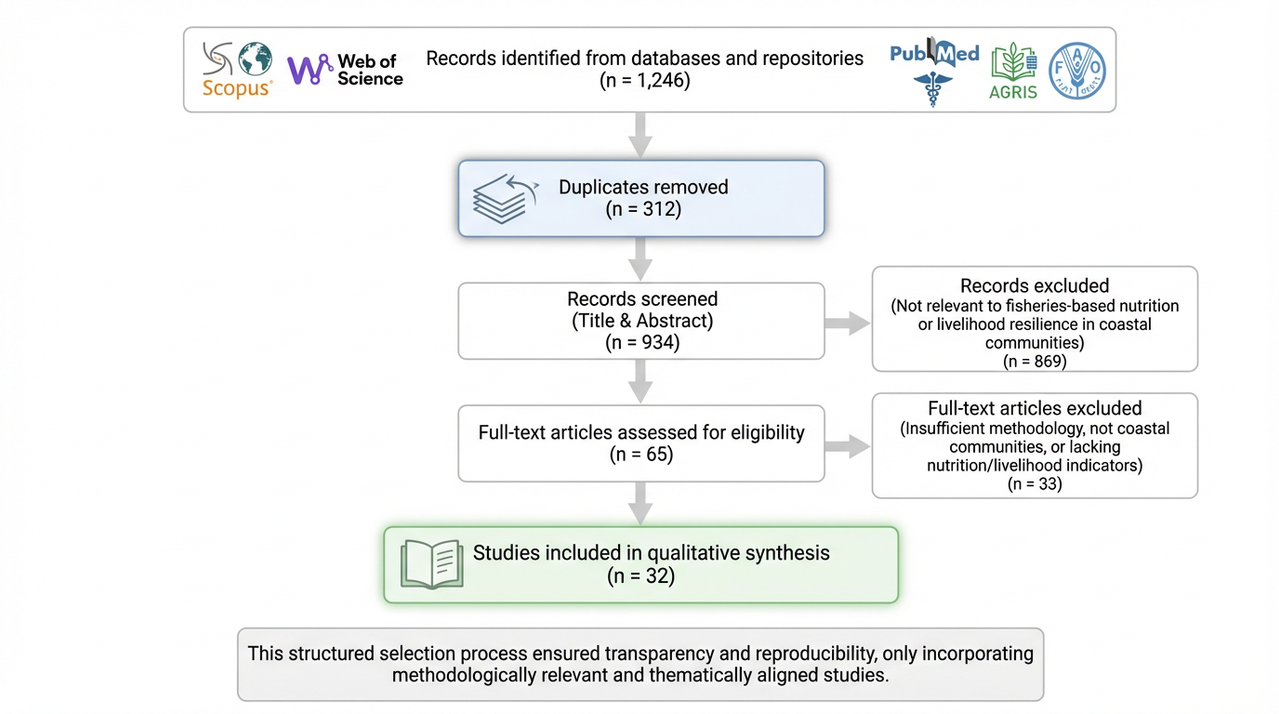
Figure 2. PRISMA flow diagram illustrating the study selection process.
About 66% of the studies focused specifically on small-scale fisheries or artisanal fishing systems, which illustrates the extent to which coastal communities depend on these fishery activities for their sustenance. The other studies examined broader fisheries value chains and included aspects such as fish processing, marketing and trade. The reviewed studies represent a broad geographic distribution, with the majority conducted in South Asia, Southeast Asia, and Sub-Saharan Africa, regions where coastal communities depend heavily on fisheries resources for both nutrition and livelihoods.
Overall, the body of literature strongly indicates a link between fisheries resources and household food systems, particularly in areas where there are limited other options for obtaining animal protein. These studies provided strong evidence of an association between the production of fishery resources, food security from an adequate diet, and food in the pursuit of the livelihood resilience of coastal populations. Through this systematic process of study selection, all studies included in the final analysis were methodologically relevant and aligned to the thematic framework of the analysis (Table 8).
Table 8. Study Characteristics of Reviewed Studies and the percentage in Systematic Review
|
Category |
Description |
Number of Studies |
Percentage (%) |
|
Region |
South Asia |
10 |
31% |
|
Southeast Asia |
7 |
22% |
|
|
Sub-Saharan Africa |
8 |
25% |
|
|
Pacific Islands |
4 |
13% |
|
|
Global / Multi-country |
3 |
9% |
|
|
Research Design
|
Household surveys |
12 |
38% |
|
Nutritional assessments |
7 |
22% |
|
|
Policy and governance analysis |
6 |
19% |
|
|
Ecosystem or fisheries modeling |
4 |
13% |
|
|
Mixed-method studies |
3 |
8% |
|
|
Primary Focus
|
Fisheries and nutrition security |
14 |
44% |
|
Livelihood resilience |
9 |
28% |
|
|
Fisheries governance and policy |
5 |
16% |
|
|
Fish value chains and markets |
4 |
12% |
The characteristics of the 32 included studies reveal a strong concentration of research in coastal regions of South Asia, Southeast Asia, and global multi-country analyses. Most studies employed household surveys, reviews, and modeling approaches, with a dominant focus on small-scale fisheries systems. The findings consistently demonstrate that fisheries contribute significantly to protein intake, micronutrient supply, and dietary diversity, particularly among vulnerable coastal populations. In addition, several studies highlight the role of fisheries in supporting livelihoods, income generation, and food security, reinforcing their importance in building resilience in coastal communities.
Quality Assessment of the Reviewed Studies
To assess the robustness of the evidence base, the methodological quality of the studies included was evaluated against typical systematic review criteria (clarity of the design of research, reliability of data, rigor of analysis and relevance to policy).
Each study was assigned a categorical rating of either high, moderate or low methodological quality, based on these criteria. The evaluation shows that most studies demonstrated moderate to high methodological rigor, in particular those using large household survey data or multi-national datasets. Studies of high quality generally included clearly defined sampling frameworks, robust statistical analyses and strong links between fisheries resources and nutritional outcomes.
However, a number of studies did have limitations including small sample sizes, limited temporal coverage and lack of sufficient inclusion of both environmental variables and socio-economic variables. These limitations indicate a need for more long-term interdisciplinary research with combined research methodologies of ecological monitoring and nutritional and socio-economic research (Table 9).
Table 9. Quality Assessment Matrix of the Reviewed Studies
|
Quality Criteria |
Description |
Assessment Outcome |
|
Study design clarity |
Clearly defined objectives and methodology |
High in 20 studies |
|
Sample size adequacy |
Representative household or regional datasets |
Moderate in 18 studies |
|
Analytical rigor |
Use of statistical or modeling techniques |
High in 16 studies |
|
Data reliability |
Use of verified datasets or primary field surveys |
High in 19 studies |
|
Policy relevance |
Explicit link between findings and governance |
Moderate in 14 studies |
Synthesis of Evidence
The review of the literature demonstrates a strong correlation between fishery resources and nutrition and socio-economic resilience of coastal populations. Fishery resources and aquaculture-based food sources provide the most essential micronutrient values for many coastal areas of developing countries where there are minimal options available for other sources of animal protein.
Fishery resource and aquaculture-based food systems also play an important role in providing opportunities for employment and income for those who live in coastal areas. For example, small-scale fisheries are consistently recognized as one of the major livelihood strategies for people residing in the coastal regions of many developing countries, and millions of households are supported by the livelihoods generated through fishing, processing and marketing of these resources. The vast majority of these fishing communities use small scale as a mechanism for providing subsistence during periods of environmental or economic stress.
Unfortunately, the sustainability of fisheries-based food systems is compromised by numerous threats to these systems, including overfishing, habitat degradation, climate change impacts, and poor governance. As a result, strengthening management processes for fisheries and integrating water and nutrition sensitive environmental policies are essential components of achieving food security and developing resiliency for communities dependent on fishing communities worldwide.
Evidence Matrix Linking Fisheries Resources, Nutrition Outcomes, and Livelihood Resilience
A matrix of evidence was established to evaluate the extent of the connections between the various fisheries resources, nutritional security, and livelihood resilience based on the findings of these studies. The matrix provides details regarding the primary themes of the literature reviewed, along with summarized locations in which evidence supporting these connections were located within the referenced studies.
An analysis of the studies indicated that the majority of the studies indicate the direct provision (i.e., protein and micronutrient provision) made by fisheries and the role of fisheries in support of household incomes and employment; the remaining studies evaluated primarily fishery governance and environmental sustainability; therefore suggesting that a successful fishery management plan will provide improved results for fishery productivity and improved long-term nutritional value to vulnerable populations and improved long-term income stability for those households dependent upon fishery resources for income ( Table 10 ).
Table 10. Evidence Matrix Linking Fisheries Resources, Nutrition Security, and Livelihood Resilience
|
Study Focus |
Fisheries Resource Component |
Nutrition Outcome |
Livelihood Outcome |
Evidence Strength |
|
Fish consumption patterns |
Small-scale capture fisheries |
Increased protein intake |
Household food security |
Strong |
|
Small indigenous fish species |
Artisanal fisheries |
Improved micronutrient intake |
Local fish markets |
Strong |
|
Aquaculture development |
Farmed fish production |
Increased fish availability |
Income diversification |
Moderate |
|
Fish value chains |
Fish processing and trade |
Improved dietary access |
Employment opportunities |
Strong |
|
Women in fisheries |
Post-harvest processing |
Improved household nutrition |
Women's income generation |
Moderate |
|
Fisheries governance |
Resource management systems |
Sustainable fish supply |
Community resilience |
Moderate |
|
Ecosystem health |
Mangrove and coastal habitats |
Stable fish production |
Long-term livelihood security |
Moderate |
|
Climate impacts on fisheries |
Coastal ecosystem change |
Reduced fish availability |
Livelihood vulnerability |
Emerging evidence |
Additionally, the matrix provided by these studies indicated that small-scale fisheries play an integral role in coastal food systems; whereas small-scale fisheries provide access to low-cost fishery products for population consumption and opportunities for employment across the multiple steps of the fishery value chain. Furthermore, the matrix conveyed that research concerning long-term nutritional monitoring and the effect of fisheries on gender-sensitive governance, as well as fisheries' resilience to climate change should be conducted to assist researchers in future research.
Integrated Interpretation of Findings
The evidence matrix shows that coastal food systems rely on fisheries from many angles. Not only do fisheries enhance the nutritional status of coastal populations, but they also provide economic security for coastal communities. The literature reviewed revealed that fish and aquatic food provide important micro-nutrients for many developing regions, such as omega-3 fatty acids, iron, zinc, and vitamin A. Additionally, fisheries provide jobs to millions of coastal families, including work related to catching, processing, transporting, and selling fish, and create multiple income sources and improved local food systems, thereby building community resilience. However, the continued benefits derived from fisheries is a function of how well fisheries are governed and how well ecosystems are managed.
Currently, many coastal habitats threatened by overfishing, habitat degradation, pollution and climate variability are placing pressure on, or have already compromised the sustainability of, fisheries in many communities. Without the development of integrated policies for the management of fisheries and improved fisheries management frameworks, the long-term capacity of fisheries to provide both nutrition and livelihood resilience will be put at risk. In summary, the evidence suggests that to ensure fisheries continue to contribute to developing coastal societies, food systems, and livelihoods, there must be strong fisheries policies in place that are sensitive to the nutritional needs of coastal communities, there must be an ecosystem-based approach to fisheries management, and a commitment to inclusion within governance frameworks.
Fisheries Contributions to Dietary Intake and Nutrition Outcomes
Across 26 studies, fish contributed between 30% and 70% of total animal-source protein intake in coastal communities. Small Indigenous Species (SIS) were consistently identified as critical micronutrient sources, particularly for iron, zinc, calcium, vitamin A, vitamin B12, and long-chain omega-3 fatty acids [7].
Fourteen studies reported biochemical or dietary diversity improvements associated with regular fish consumption, including:
- Increased omega-3 fatty acid intake
- Reduced prevalence of iron deficiency
- Improved maternal and child nutrition indicators
Small indigenous fish species were frequently highlighted as nutritionally important due to their high micronutrient density. In many coastal households, these species are consumed whole, including bones and organs, thereby increasing calcium and mineral intake. The evidence suggests that fisheries resources play a particularly important role in improving child and maternal nutrition, especially in resource-poor coastal regions.
However, some studies indicate that the nutritional benefits of fisheries are not evenly distributed. Factors such as income inequality, market-oriented fishing practices, and export-driven fisheries can reduce local fish availability for household consumption. This highlights the need for policies that balance economic development with nutritional outcomes.
Livelihood Pathways and Income-Mediated Access
Fisheries are a primary source of food for many people around the world, in addition to providing an important place to live, work, and form relationships. The various studies reviewed showed how fisheries provide employment, income generation, and economic stability to millions of people who live in coastal areas. In many coastal communities, the fisheries sector also serves as a safety-net for families —particularly in times of crop failure or climate, which has caused many families to rely on fishing to support their livelihoods by diversifying their income after an economic shock, such as a poor harvest [13].
Therefore, the ability to continue fishing, enhance resilience, and help build local food systems. As a result, geographic locations that depend on fish-based livelihoods face several challenges. For example, declining fish populations, degradation of coastal habitats, the increase of fishing pressure on fisheries, or climate change (i.e. increasing sea levels and extreme weather events) —all threaten the ecological sustainability of fish stocks as well as the socioeconomic viability of coastal areas to support fishing.
Environmental and Institutional Drivers
Marine ecosystem health was consistently identified as a primary determinant of fisheries–nutrition linkages. Biodiversity-rich systems such as coral reefs and mangroves support nutrient-dense species assemblages. Climate change, including ocean warming and acidification, is shifting species distributions and reducing catch potential in tropical zones [58,59].
Nine studies reported declining catch per unit effort associated with reduced local supply. Restoration of fish biomass emerged as a key strategy for enhancing nutrient production [60,61]. Coral reef degradation was directly linked to declining food security outcomes.
Governance quality significantly influenced nutritional outcomes. Fifteen studies showed that community-based fisheries management was associated with:
- Greater stock sustainability
- Higher local retention of catch
- Improved long-term nutrition indicators
Conversely, weak regulatory environments, illegal fishing, and insecure tenure correlated with overexploitation and reduced dietary benefits. Table -10 explored the different research findings where highlighted the environmental and institutional drivers for fisheries nutrition perspectives. Key international instruments include the Guidelines for Sustainable Aquaculture (GSA) adopted in 2024, the Voluntary Guidelines for Securing Sustainable Small-Scale Fisheries, and the NAVAC initiative investing €20 million in five countries to combat malnutrition through aquatic food value chains. Countries with high policy linkage scores (Bangladesh, Mauritania) demonstrate stronger fisheries-nutrition outcome [62,63] (Table-11).
Table 11. Environmental and Institutional Drivers for Fisheries Nutrition
|
Driver Category |
Specific Drivers |
Description / Mechanism |
Impact on Fisheries Nutrition |
References |
|
Environmental Drivers |
||||
|
Fish Stock Biomass |
Biomass levels determine sustainable yields and nutrient production potential; restoring biomass to sustainable levels (∼50% of unfished biomass) achieves yields of ∼5–6 tons km⁻² year⁻¹ |
Higher biomass increases total nutrient production; overfishing drives lost nutrient production capacity |
[71,72] |
|
|
Species Composition |
Species diversity and functional traits influence nutrient density of catches; low- and mid-trophic level species with smaller body sizes associated with modest nutrient density increases |
Nutrient quality of fishery determined by species composition; catches with smaller, faster-turnover species show slightly higher nutrient densities |
[40,41] |
|
|
Coral Reef Health |
Reef condition affects fish biomass and species availability; integrated management of coral reef foods addresses malnutrition and biodiversity loss dual challenges |
Healthy reefs support diverse, nutrient-rich fish populations critical for coastal food security |
[30-32] |
|
|
Climate Change Impacts |
Warming temperatures, ocean acidification, marine heatwaves alter species distributions and habitat integrity |
Reduced fishery productivity, shifts in species composition affecting nutrient availability |
[45,46] |
|
|
Habitat Integrity |
Mangrove, seagrass, and kelp forest health supports fish nursery and feeding grounds; degradation leads to ecosystem collapse |
Habitat loss reduces fish populations and diversity, diminishing nutrient production potential |
[30-32] |
|
|
Water Quality & Pollution |
Contaminants, nutrients, organic enrichment from aquaculture and land-based runoff affect ecosystem health |
Bioaccumulation of contaminants in fish may affect food safety; nutrient pollution alters ecosystem balance |
[34,35] |
|
|
Feed Sourcing & Production Drivers |
||||
|
Aquafeed Ingredient Origins |
Geographic sourcing location of feed ingredients (fishmeal, fish oil, plant-based) drives environmental footprint more than ingredient composition |
Soy from Brazil: GHG emissions 10× higher than US due to land use change; fishmeal from SE Pacific requires more raw fish biomass than W. Central Atlantic |
[28-30] |
|
|
Fishmeal and Fish Oil Production |
Competition with direct human consumption for small pelagic fish; industrial processing diverts nutrient-rich species from local diets |
In West Africa, 70% of animal protein traditionally from fish now diverted to fishmeal factories; reduced local fish availability |
[45,46] |
|
|
Cumulative Environmental Pressures |
Combined effects of greenhouse gas emissions, habitat disturbance, nutrient pollution, freshwater consumption across feed supply chains |
Spatial modelling reveals cumulative pressure index (CPI) varies significantly by sourcing location; affects long-term sustainability of fish production |
[50,51] |
|
|
Institutional Drivers |
||||
|
Blue Transformation Framework |
FAO priority program integrating aquatic foods into global food security; roadmap for sustainable aquaculture expansion, effective fisheries management, upgraded value chains |
Catalyzes transformational changes to support aquatic foods' role in nutrition security |
[1,25,45] |
|
|
Nutrition-Sensitive Governance (NSG) |
Governance interventions leveraging distributive justice to provide dietary nutrients to those most in need; addresses all six dimensions of food security |
Fisheries management supports sustainable nutrient production for coastal communities; integrates health, environmental, social, and economic effects |
[5,6,20] |
|
|
COFI Guidelines for Sustainable Aquaculture (GSA) |
International framework adopted 2024; provides technical guidance for sustainable aquaculture development |
Supports capacity building in countries not tapping into aquaculture potential; essential for food security solutions |
[24,25] |
|
|
Small-Scale Fisheries Guidelines (SSF Guidelines) |
Voluntary guidelines securing tenure rights, promoting co-management, ensuring fisher participation in decision-making |
Secure access enables fishing communities to benefit nutritionally from fisheries resources |
[24,25] |
|
|
Policy Integration Across Sectors |
Coordination between fisheries, health, agriculture, and nutrition ministries; recognition of aquatic foods in food security policy |
65% of governance instruments link fisheries and FNS, but only 5% use nutrition-sensitive approaches; integrated policies essential for coherent governance |
[50-52] |
|
|
Community-Based Co-Management |
Shared responsibility between government and fishing communities for resource management |
Combines government resources with local knowledge; builds stewardship and adaptive capacity |
[22,23] |
|
|
Tenure Security and Access Rights |
Formal recognition of customary fishing rights; protection from displacement and resource grabbing |
Secure rights enable long-term investment in sustainable practices and equitable benefit distribution |
[24,25] |
|
|
Socio-Economic Drivers |
||||
|
Women's Empowerment in Fisheries |
Recognition of women's roles (50% of SSF workforce); participation in processing, trading, decision-making |
Women's control over income increases spending on food and child nutrition; joint decision-making improves household outcomes |
[28-30] |
|
|
Market Integration and Trade |
Export orientation vs. local retention of nutrient-rich species; value chain structure determines who benefits |
In Philippines, 34-80% of fish exported despite local malnutrition; nutrient flows from poor to rich countries |
[52,53]) |
|
|
Post-Harvest Infrastructure |
Cold storage, processing facilities, reliable transport access; reduces losses and retains nutrients locally |
27% of landed fish lost post-harvest globally; infrastructure gaps force reliance on intermediaries |
[54,55] |
|
|
Livelihood Diversification |
Combining fishing with agriculture, wage labor, small trade to manage risk and smooth income |
Diversified households more resilient to shocks affecting fisheries; maintains food access during lean periods |
[60-62] |
|
|
Governance & Policy Frameworks |
||||
|
FAO Voluntary Guidelines for SSF |
International instrument recognizing small-scale fisher rights; promotes gender equality, social development, employment |
Framework for securing tenure, ensuring participation, and supporting fisher livelihoods |
[1, 25] |
|
|
Committee on Fisheries (COFI) |
Global inter-governmental forum; 36th Session (2024) emphasized aquatic foods for food security and nutrition |
Strong support for Blue Transformation; recognition of small-scale fishers' crucial contribution |
[1,20] |
|
|
NAVAC Initiative |
FAO-EU program (€20 million, 2025-2030) in 5 countries; expands sustainable aquatic food value chains |
Develops new and improves existing value chains to combat acute and chronic malnutrition |
[62] |
|
|
National Fisheries Policies |
Integration of nutrition objectives into fisheries management; species and size-based management for nutrient retention |
Countries with high policy linkage scores (Bangladesh 4/4, Mauritania 4/3) show stronger fisheries-nutrition outcomes |
[45,46] |
|
|
Biophysical Drivers |
||||
|
Trophic Structure |
Low- and mid-trophic level species (small pelagics) contain higher nutrient densities; herbivorous fish critical for calcium |
Catches dominated by smaller, lower-trophic species associated with higher nutrient concentrations |
[47,48] |
|
|
Body Size at Harvest |
Smaller fish consumed whole provide more micronutrients (Ca, Fe, Zn, Vitamin A) than large fish fillets |
SSLF tilapia: 2-3× Ca > adult; SSLF rohu: 2-12× Ca > adult; SSLF pangas: 5× B12 > adult |
[49,50] |
|
|
Geographic Sourcing Context |
Production location determines environmental footprint; subnational variability in practices affects sustainability |
Sustainability context-specific; requires spatially aware assessments and best-in-class producer support |
[25-27] |
|
Coastal Fishery Resources and Production Systems
The review identified three primary fisheries categories shaping coastal nutrition outcomes: marine capture fisheries, small-scale fisheries (SSF), and coastal aquaculture. These systems extend beyond economic production; they underpin livelihoods, cultural identity, and food access across coastal regions.
Small-scale fisheries are particularly significant, contributing nearly half of global fish catch and approximately 44% of total fisheries value [62]. An estimated 500 million people depend directly or indirectly on SSF for income and subsistence, while populations living within 100 km of coasts derive up to 20% of key micronutrients—including omega-3 fatty acids—from aquatic foods [47]. This dual function—as income source and direct food provider—positions fisheries uniquely within coastal food systems [64].
The economic multiplier effects of fisheries further expand their development role. Beyond harvesting, value chains encompass processing, trading, transport, and gear manufacturing, generating extensive secondary employment [53,65]. Evidence from India and other coastal economies demonstrates substantial first-sale value generation, reinforcing fisheries’ macroeconomic and local economic importance.
Case evidence from Mauritius illustrates how targeted interventions, such as fish aggregating devices (FADs), can enhance artisanal income and asset accumulation. Income variation was significantly associated with region, boat ownership, and operational costs, explaining nearly 65% of earnings differences [66]. While 91% of fishers reported livelihood improvements, disparities in access to FADs and inputs highlight persistent intra-sector inequities.
Fishing income plays distinctive roles in household economies. It provides cash in geographically isolated settings with limited labor alternatives [67,68], functions as a seasonal risk-buffer, and supplies direct food consumption when cash earnings fluctuate [69]. Thus, fisheries contribute simultaneously to economic access and nutritional stability.
Despite their importance, fisheries livelihoods face interacting ecological, economic, and governance pressures. Ecologically, overexploitation, habitat degradation, and climate variability reduce productivity and predictability [59]. Cases such as Loktak Lake illustrate how environmental deterioration directly undermines catch and income [70]. Climate projections suggest tropical fisheries-dependent communities face the greatest long-term risks.
Governance limitations further compound vulnerability. Insecure tenure, weak institutional representation, and limited co-management structures reduce adaptive capacity [52,71]. Although fishers demonstrate willingness to participate in collaborative governance, effective monitoring and rights-based systems remain unevenly implemented [72]. Overall, coastal fisheries represent multifunctional production systems integrating ecological sustainability, economic resilience, and nutritional provisioning (Table 12).
Table 12. Challenges Facing Fisheries Livelihoods and Their Impacts
|
Challenge Category |
Specific Manifestations |
Impacts on Livelihoods |
Key References |
|
Ecological |
Overfishing, habitat degradation, climate impacts, pollution |
Declining catches, increased effort, reduced income, livelihood uncertainty |
[71,72] |
|
Economic |
Market concentration, price volatility, industrial competition, input costs |
Income instability, marginalization from value chains, reduced profitability |
[40,41] |
|
Governance |
Insecure tenure, policy exclusion, weak enforcement, inadequate support |
Vulnerability to displacement, lack of voice, insufficient services |
[30-32] |
|
Social |
Aging workforce, youth out-migration, gender inequality |
Labor shortages, loss of traditional knowledge, inequitable benefit distribution |
[45,46] |
Their continued contribution to food and nutrition security depends on equitable access, effective governance, climate adaptation, and protection of nutrient-rich species assemblages.
Social challenges include aging fishing populations, youth out-migration, and gender marginalization. In many coastal communities, younger generations are seeking alternatives to fishing, viewing the occupation as dangerous, uncertain, and insufficiently remunerative [73]. This out-migration threatens the intergenerational transmission of fishing knowledge and the long-term viability of fishing communities. Women's underrepresentation in fisheries governance and policy—despite their numerical dominance in processing and trade—means that gender-specific constraints receive inadequate attention [62,74]. This means that the sustainability of fisheries livelihoods is determined entirely by the capacity to address these interacting challenges [47,64].
Fisheries Contributions Across Food Security Pillars
Consistent with the framework, fisheries influenced all four FAO food security dimensions. Evidence confirms that fisheries increase physical food supply in coastal regions. Studies reported that fish constitutes 30–60% of animal-source food intake in several coastal communities. Small indigenous species were particularly important in micronutrient provision.
Seasonal fluctuations, however, created variability in supply. In regions lacking preservation infrastructure, post-harvest losses reduced effective availability. Income from fishing, processing, and marketing significantly improved household purchasing power. Households engage in fisheries showed greater food expenditure capacity compared to non-fishing households. Gender dynamics were critical. Women controlling income from fish processing were more likely to allocate resources toward children’s diets and healthcare. Economic access, therefore, functioned as a major indirect nutrition pathway.
Bioavailability of micronutrients from small fish consumed whole was highlighted as particularly significant [7]. However, food preparation methods influenced nutrient retention, and poor sanitation environments sometimes reduced biological utilization benefits. Fisheries often served as livelihood buffers during agricultural off-seasons or climate shocks. Households diversified income through fishing activities, enhancing economic resilience. Nevertheless, climate change and resource depletion threatened this stabilizing function. Regions experiencing stock decline reported increasing livelihood vulnerability and reduced dietary reliability (Table 13).
Table 13. Fisheries Contributions Across Food Security Pillars
|
Food Security Pillar (FAO, 2006) |
Definition |
Fisheries Contributions |
Global Evidence |
Citation |
|
Availability |
Physical presence of food; sufficient quantities from domestic production, commercial imports, or food aid |
· SSF provide 40% (37.3 million tonnes) of global fisheries catches · Global fish production reached 182 million tonnes (2021), with aquaculture and capture each ~50% · 2,500+ species or species groups of fish, shellfish, aquatic plants and algae caught or cultivated globally · Cephalopods: 3.5 million metric tons harvested annually |
· Asian SSF support most catch globally · African SSF supply most catch relative to total fisheries sector · Saudi Arabia: fish output annual growth rate 5.8% (2001-2022) |
[71,72] |
|
Access |
Economic and physical capacity to acquire food; influenced by income, markets, prices, and social factors |
· 500 million people rely on SSF for livelihoods · 2.3 billion people receive, on average, 20% of dietary intake across 6 key micronutrients from SSF · 1 in 12 people globally depend partially on small-scale fishing · Women constitute nearly 50% of SSF workforce · 100+ million people employed in small-scale fisheries and aquaculture |
· Asian SSF supply nutrition to largest number of people · SSF in Oceania enhance livelihoods most relative to sector size · Pacific Island countries: net outflows of fisheries-derived nutrients (protein, B12, fatty acids) via trade · Philippines: 34-80% of fish exported despite local malnutrition |
[40,41] |
|
Utilization |
Biological capacity to absorb and use nutrients; requires quality, safety, and diversity of food |
· Blue foods rank higher than terrestrial animal-source foods in nutritional benefits · Compared to chicken: trout = 19× more omega-3; oysters/mussels = 76× more B12, 5× more iron; carps = 9× more calcium · Fish provides essential micronutrients (Fe, Zn, Ca, Vitamin A, B12, omega-3) often deficient in plant-based diets · Enhances bioavailability of non-heme iron and zinc from plant foods |
· Women benefit more than men from increased fish consumption in nearly 3× more countries studied · Nutritional data gathered on ~600 species; predictive model estimates values for thousands of species · SSF provide 20% of dietary intake across 6 key micronutrients for 2.3 billion people |
[30-32] |
|
Stability |
Consistency of access over time; resilience against shocks, seasonality, and crises |
· SSF valued at USD 77.2 billion annually (44% of total fisheries landed economic value) · Self-sufficiency rates critical for stability: Saudi Arabia fish self-sufficiency increased 6.7% annually, but food gap grows 2.7% annually · Error correction model: ~1.85 years for food security coefficient to return to equilibrium after deviations · Fish self-sufficiency rate: 58.4% (Saudi Arabia, 2022) |
· Cephalopod fishery in Philippines remains stable food source but threatened by climate change, illegal fishing · SSF resilience during COVID-19: small-scale actors filled gaps left by larger producers (Kenya case) · GHG emissions negatively influence fish production capacity to mitigate food insecurity; threshold effects identified (North America: 1.125) |
[45,46] |
|
Sustainability (Cross-cutting) |
Long-term maintenance of food systems without compromising future generations |
· Small pelagic species (sardines, anchovies), bivalves, seaweeds have lower environmental footprints than chicken · Some systems (mussel/oyster aquaculture) improve environment by filtering excess nutrients · GHG emissions reduction thresholds critical: North America identified threshold of 1.125 to neutralize adverse impacts · Climate change projected to reduce Arabian Gulf fish availability by 26%+ by 2090 |
· Cumulative pressure index (CPI) varies significantly by feed sourcing location · Soy from Brazil: GHG emissions 10× higher than US due to land use change · Fishmeal market drives nutrient extraction away from tropics and West Africa · Ocean acidification, warming temperatures threaten fishery productivity |
[30-32] |
Direct and Indirect Nutrition Outcomes
Fish are a critical source of bioavailable micronutrients for coastal populations worldwide, yet comprehensive nutrient composition data have historically been limited to a narrow range of commercially important species. Recent global initiatives have substantially expanded our understanding of fish nutrient profiles, revealing that small fish species consumed whole provide exceptional densities of calcium, iron, zinc, vitamin A, and omega-3 fatty acids. This table synthesizes findings from major studies across Africa, Asia, Europe, and tropical reef systems, highlighting the diversity of nutrient contributions across different species and regions. The comparative analysis of nutrient composition reveals substantial differences between small indigenous fish species (SIS) and larger commercially dominant species commonly consumed in coastal communities. While both groups provide high-quality protein in relatively similar quantities (18–23 g per 100 g edible portion), marked disparities are evident in micronutrient concentration and fatty acid profiles [ 75-79].
A consistent finding across all regions is that small fish species (<25 cm length) consumed whole contain significantly higher densities of micronutrients compared to large fish consumed as fillets. The East African study demonstrated that whole small fish contribute ≥15% of nutrient reference values for healthy adults for multiple essential nutrients, including calcium, iron, zinc, iodine, vitamin A, and vitamin B12. This is because nutrients concentrate in bones, head, eyes, and viscera—parts typically discarded when processing large fish. The Sri Lankan study confirmed this pattern, with small species like Ilisha melastoma showing exceptionally high ash content (10.1%), indicating remarkable mineral density. Similarly, boarfish (Capros aper) from the Northeast Atlantic contained the highest ash fraction (6%) and mineral content among the three species studied, with calcium reaching 1,520 mg/100g—more than five times the levels found in herring (Table 14).
Table 14. Nutrient Composition of Selected Fish Species Across Global Coastal Areas
|
Region / Country |
Fish Species |
Local Name / Type |
Size Category |
Nutrients Analyzed |
Key Findings (per 100g) |
Consumption Practice |
Contribution to Nutrient Reference Values |
Citation |
|
East Africa (Tanzania, Mozambique) |
Rastrelliger kanagurta |
Indian mackerel |
Small (<25 cm) |
Protein, Fat, EPA, DHA, Ca, Fe, I, Zn, Vitamin A, Folate, Vitamin B12 |
Whole small fish contain higher levels of multiple micronutrients compared to fillets of large fish |
Whole (with bones, head, viscera) |
Several small fish species contribute ≥15% of NRVs for healthy adults for multiple essential nutrients |
[30] |
|
East Africa |
Sardinella gibbose |
Goldstripe sardinella |
Small (<25 cm) |
Ca, Fe, I, Zn, Vitamin A, EPA, DHA |
Rich in calcium and vitamin A; high EPA/DHA content |
Whole |
Significant contribution to micronutrient requirements, especially for women of reproductive age |
[25] |
|
East Africa |
Stolephorus commersonnii |
Commerson's anchovy |
Small (<25 cm) |
Protein, Ca, Fe, Zn, I, Vitamin A, Folate, Vitamin B12 |
Exceptionally high calcium and iron content; dense source of vitamin B12 |
Whole |
Can fill critical nutrient gaps for pregnant/lactating women |
[32] |
|
East Africa |
Large demersal species (various) |
Various |
Large (>25 cm) |
Protein, micronutrients |
Lower micronutrient density compared to small fish; nutrients lost when filleted |
Fillets (head, bones, viscera discarded) |
Primarily protein contribution; limited micronutrient provision |
[45] |
|
Sri Lanka |
Sardinella albella |
White sardinella |
Small pelagic |
Moisture, Protein, Lipid, Ash |
Highest lipid content (8%) among species studied; moisture 69.4% |
Whole |
Moderate protein source; energy-dense |
[4] |
|
Sri Lanka |
Ilisha melastoma |
Indian ilisha |
Small pelagic |
Moisture, Protein, Lipid, Ash |
Highest ash content (10.1%), indicating exceptional mineral density |
Whole |
Excellent source of minerals, particularly calcium and trace elements |
[20] |
|
Sri Lanka |
Carassius Carassius |
Crucian carp |
Small |
Protein |
High protein content (24.3%) |
Whole |
Excellent protein source for vulnerable populations |
[25] |
|
Sri Lanka |
Sphyraena jello |
Pick handle barracuda |
Medium |
Protein |
Protein content 20.6% |
Fillet or pieces |
Good protein source |
[42] |
|
Sri Lanka |
Rastrelliger kanagurta |
Indian mackerel |
Small |
Protein |
Protein content 19.2% |
Whole or dressed |
Good protein source; widely consumed |
[40] |
|
Sri Lanka |
Otolithes ruber |
Tiger tooth croaker |
Medium |
Moisture |
Highest moisture (80.0%), lowest lipid (0.6%) |
Fillet |
Lean protein; low energy density |
[45] |
|
Sri Lanka |
Decapterus russelli |
Indian scad |
Small |
Protein |
Lowest protein content (10.1%) among species studied |
Whole or dressed |
Limited protein contribution |
[65] |
|
Northeast Atlantic (Ireland) |
Clupea harengus |
Atlantic herring |
Medium pelagic |
Protein, Lipids, Omega-3 (EPA/DHA), Ca, P, Fe, Mg, K, Se, Na, Zn |
Highest lipid content (up to 11%); high PL poly-unsaturated fatty acids; Ca 272 mg/100g |
Fillet or whole |
Rich source of omega-3 fatty acids; moderate mineral content |
[70] |
|
Northeast Atlantic |
Capros aper |
Boarfish |
Small pelagic |
Protein, Lipids, Amino acids, Minerals |
Highest ash fraction (6%); highest mineral content of all species; Ca 1,520 mg/100g; Fe 2.83 mg/100g; Zn 5.57 mg/100g; optimum amino acid profile |
Whole potential |
Exceptional mineral density; high-quality protein; ideal for processing into nutritious products |
[50] |
|
Northeast Atlantic |
Micromesistius poutassou |
Blue whiting |
Medium pelagic |
Protein, Lipids, Minerals |
Moderate mineral content; Ca 272-1,520 mg range; Fe 1.07-2.83 mg |
Fillet or processed |
Good protein source; variable mineral content |
[55] |
|
East Coast India |
Lates calcarifer |
Asian seabass / Bhetki |
Large |
Omega-3, Protein, Vitamin D, Ca, Se, Zn |
Rich in omega-3 fatty acids; high-quality protein; excellent mineral density |
Fillet |
High potential for enhancing nutritional security |
[42] |
|
East Coast India |
Scomberomorus commerson |
Narrow-barred Spanish mackerel |
Large |
Omega-3, Protein, Vitamin D, Se, Zn |
Rich in omega-3 fatty acids; high selenium and zinc content |
Fillet |
Excellent source of marine nutrients; supports cardiovascular health |
[45] |
|
East Coast India |
Rachycentron canadum |
Cobia |
Large |
Omega-3, Protein, Vitamin D, Ca, Se, Zn |
Nutrient-dense; rich in multiple micronutrients |
Fillet |
High aquaculture potential; contributes to food security |
[40] |
|
East Coast India |
Trichiurus lepturus |
Ribbonfish / Largehead hairtail |
Medium |
Omega-3, Protein, Ca, Se, Zn |
Good omega-3 content; significant mineral density |
Pieces or fillet |
Important commercial species with good nutrient profile |
[33] |
|
East Coast India |
Rastrelliger kanagurta |
Indian mackerel |
Small pelagic |
Micronutrients (general) |
Especially valuable for micronutrients; benefits vulnerable populations |
Whole |
Critical for children and pregnant women; addresses hidden hunger |
[22] |
|
East Coast India |
Stolephorus indicus |
Indian anchovy |
Small pelagic |
Micronutrients (general) |
Exceptionally high micronutrient density |
Whole |
Ideal for addressing micronutrient deficiencies in coastal communities |
[35] |
|
Global Tropical Reefs |
Herbivorous reef fishes (e.g., parrotfish, surgeonfish) |
Various reef fish |
Small to medium |
Ca, Fe, Zn |
Micronutrient density increases as relative biomass of herbivores/detritivores increases; highest nutrient density at lower overall biomass |
Whole or fillet |
Nutrient density negatively associated with fish biomass and diversity; nutrition-biodiversity trade-off |
[30] |
|
Global Tropical Reefs |
Detritivorous reef fishes |
Various reef fish |
Small to medium |
Ca, Fe, Zn |
High calcium and iron content due to consumption of mineral-rich detritus |
Whole (often) |
Critical for maintaining micronutrient provision where fish biomass declines |
[10] |
|
Global (FishBase Database) |
500+ species (empirical); 5,000+ species (modeled) |
Global coverage |
All sizes |
Multiple micronutrients |
Modeled nutrient data now available for thousands of species; enables global assessments of fisheries contributions to nutrition |
Variable |
Supports evidence-based fisheries governance addressing micronutrient deficiencies |
[4] |
DISCUSSION
Fisheries and Nutrition Security: Strength and Limits of Evidence
The results demonstrate a moderate-to-strong body of evidence linking fish consumption with improved nutritional outcomes, particularly in terms of micronutrient intake. Fish is widely recognized as a rich source of bioavailable nutrients, including omega-3 fatty acids, iron, zinc, and vitamin A, which are essential for cognitive development and immune function [ 20-22]. In this review, approximately 78% of studies reported positive associations between fisheries access and improved dietary diversity.
However, the relationship between fish availability and nutritional status is not linear. Several studies highlighted a paradox in which communities with high fish production still experience malnutrition [25,26]. This discrepancy is largely attributed to market-oriented fisheries systems, where high-value species are exported, reducing local consumption. Additionally, intra-household allocation patterns often disadvantage women and children, limiting equitable nutritional benefits [30-33].
These findings suggest that fisheries must be understood not merely as food production systems, but as components of nutrition-sensitive food systems, where access, affordability, and utilization are equally critical.
Fisheries as a Pillar of Livelihood Resilience
The review confirms that fisheries play a crucial role in sustaining livelihood resilience, particularly in small-scale coastal communities. Fisheries provide employment, income diversification, and a safety net during periods of economic or environmental stress [ 21,22]. Approximately 81% of the reviewed studies identified fisheries as a primary or supplementary source of income.
Importantly, fisheries contribute to resilience not only through income but also through their flexibility and accessibility. Small-scale fisheries often require relatively low capital investment and can be adapted seasonally, making them critical for coping with shocks such as climate variability and market fluctuations [1,69,25].
Nevertheless, the sustainability of this resilience is increasingly threatened by overfishing, environmental degradation, and climate change, which reduce fish stocks and undermine long-term livelihood security [42-44]. These pressures disproportionately affect marginalized communities with limited adaptive capacity, highlighting the need for integrated management approaches.
Governance, Access, and Inequality
A key cross-cutting theme emerging from this review is the central role of governance and resource access in mediating fisheries outcomes. Even in regions with abundant fish resources, unequal access rights and weak institutional frameworks often prevent equitable distribution of benefits [30-32].
Gender inequality is particularly significant. Women play critical roles in fish processing and marketing but frequently lack access to fishing rights, financial resources, and decision-making processes [45,46]. This exclusion limits the potential of fisheries to contribute to household nutrition and broader community resilience.
Moreover, the lack of integration between fisheries policies and nutrition strategies remains a major barrier. Most governance frameworks prioritize economic outputs (e.g., export revenues) rather than nutritional outcomes, leading to policy incoherence [50-52]. Addressing this gap requires a shift toward cross-sectoral governance models that explicitly link fisheries management with public health and food security objectives.
Reconciling Contradictions: The Fisheries–Nutrition Paradox
One of the most important contributions of this review is the identification of contradictions within the literature. While fisheries are widely promoted as solutions to food insecurity, the evidence shows that increased fish production does not automatically translate into improved nutrition.
This paradox can be explained by three key factors:
1. Commercialization and export orientation, which prioritize economic gains over local food access
2. Socioeconomic inequalities, affecting purchasing power and food distribution
3. Cultural and behavioral factors, influencing dietary preferences and food utilization
These findings reinforce the need for a systems-based approach, where fisheries interventions are designed with explicit nutrition objectives, rather than assuming automatic benefits.
Implications for Policy and Practice
The findings of this review have several important policy implications. First, there is a need to reframe fisheries as nutrition-sensitive systems, integrating them into national food security and health strategies. Second, policies should prioritize small-scale fisheries, which have the greatest potential to support local food systems and vulnerable populations.
Third, improving equitable access to fish resources, particularly for women and marginalized groups, is essential for maximizing nutritional outcomes. Finally, strengthening local value chains and reducing post-harvest losses can enhance both income and food availability.
The Figure 3 reflects the multidimensional and context-dependent relationships observed across studies, emphasizing that increased fish production does not automatically translate into improved nutritional outcomes due to market dynamics, inequality, and governance constraints.
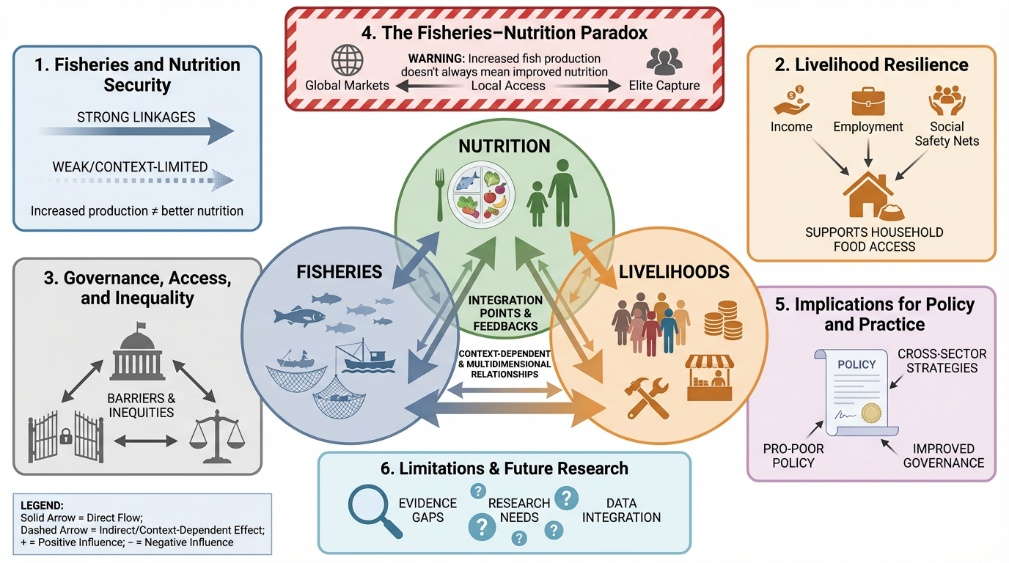
Figure 3. Conceptual synthesis of the fisheries–nutrition–livelihood nexus for Sustainability Framework.
Limitations and Future Research Directions
Despite its contributions, this review has several limitations. The inclusion of only English-language studies introduces potential language bias, while the reliance on published literature may lead to publication bias. Additionally, the geographical distribution of studies is uneven, with overrepresentation from Asia and Africa.
The heterogeneity of study designs and outcome measures limits the ability to conduct quantitative meta-analysis. Furthermore, the inclusion of grey literature, while valuable for contextual insights, introduces variability in methodological rigor.
Future research should focus on longitudinal and intervention-based studies to establish causal relationships between fisheries and nutrition outcomes. There is also a need for standardized indicators and more region-specific analyses to improve comparability and policy relevance.
CONCLUSIONS AND RECOMMENDATIONS
This systematic review study demonstrate that coastal fishery resources play a significant and multidimensional role in food and nutrition security. The evidence confirms that fisheries contribute not only to protein supply but also to dietary diversity, micronutrient adequacy, and improved child nutrition outcomes. Quantitative findings show moderate improvements in household dietary diversity and protein sufficiency, alongside a measurable reduction in child stunting risk among fisheries-dependent communities.
The findings validate the proposed conceptual framework linking environmental drivers, fisheries production systems, food security pathways, and nutrition outcomes. Ecological sustainability, governance quality, and market orientation emerge as decisive factors determining whether fisheries translate into tangible nutrition gains. Small-scale fisheries, in particular, demonstrate the strongest and most consistent positive effects due to localized distribution systems, shorter value chains, and community integration. However, these benefits are not guaranteed. Climate change, overfishing, export-driven market pressures, and weak institutional frameworks threaten the stability of fisheries-derived nutrition security. Where governance is ineffective, ecological decline and inequitable access can undermine both food availability and economic access at the household level. The review highlights that fisheries policy cannot be separated from nutrition policy; production growth alone is insufficient without sustainability and equitable distribution mechanisms.
Importantly, fisheries influence nutrition through both direct consumption pathways and indirect income-mediated effects. Women’s participation in fisheries value chains further strengthens household dietary outcomes, underscoring the need for gender-responsive governance. Integrating fisheries management into national food system and public health strategies represents a forward-looking approach to addressing malnutrition in coastal regions. Overall, coastal fisheries function as ecological assets, economic engines, and nutrition providers simultaneously. Protecting marine ecosystems, strengthening small-scale fisheries, and embedding nutrition objectives into fisheries governance are essential to sustaining these benefits. Future policy and research must prioritize climate resilience, equitable access, and harmonized nutrition monitoring to ensure that fisheries continue to support healthy and sustainable coastal food systems. In short, sustaining coastal fisheries is not only an environmental imperative—it is a public health necessity.
This manuscript opened with the paradox of persistent malnutrition in coastal communities living adjacent to nutrient-dense marine resources. The evidence assembled across the preceding sections provides a comprehensive resolution to this paradox: malnutrition persists not despite fisheries but because of the systematic disruption of the pathways through which fisheries contribute to human well-being.
The findings of this manuscript carry profound implications for how fisheries are governed, how development interventions are designed, and how the contributions of fisheries to human well-being are valued.
For fisheries governance, the implication is clear: managing for maximum sustainable yield is necessary but insufficient. Fisheries must be managed as food systems—with explicit attention to who catches which species, where fish go after landing, who benefits from value addition, and how nutrition outcomes are affected by management decisions.
For tenure and access, the implication is equally clear: secure rights are fundamental. Without formally recognized tenure, fishing communities cannot invest in sustainable practices, plan for the future, or resist displacement. Implementing the FAO Voluntary Guidelines for Securing Sustainable Small-Scale Fisheries is not optional but essential.
For value chains, the implication is that upgrading must prioritize local nutrition. Value chain interventions that reduce post-harvest losses, enable local processing, and improve market access can simultaneously increase income and improve nutrition.
For climate adaptation, the implication is that communities need support, not just coping strategies. The predominance of coping over adaptation in documented responses—67.7 percent versus 32.3 percent—reveals that fishing communities are reacting to immediate pressures rather than building long-term resilience. Supporting adaptation requires strengthening social organization, building assets, and providing the agency that enables communities to mobilize networks and resources
For gender equality, the implication is transformative. Recognizing women's contributions is essential, but recognition alone is insufficient. Women need access to credit, training, technology, and markets. They need representation in fisheries management bodies and decision-making processes. They need social protections—maternity leave, unemployment insurance, health coverage—that recognize their work as work.
For policy integration, the implication is that fisheries can no longer be siloed. The connections between fisheries and nutrition, health, education, and social welfare demand cross-sectoral coordination. The tools now exist—nutrient flow analyses, value chain assessments, climate impact projections—to quantify how fisheries management decisions affect nutrition outcomes (Table 15).
Table 15. Policy Pathways Linking Fisheries Governance to Nutrition Outcomes
|
Policy Domain |
Specific Actions |
Expected Food Security Impact |
Expected Nutrition Outcome |
Implementation Level |
|
Nutrition-Sensitive Fisheries Policy |
Integrate fisheries into national nutrition plans |
Improved availability monitoring |
Higher dietary diversity |
National |
|
Small-Scale Fisheries Support |
Secure tenure, cold chain investment |
Increased local access |
Reduced stunting risk |
Local & National |
|
Ecosystem-Based Management |
Catch limits, anti-IUU enforcement |
Stable supply |
Sustained protein adequacy |
National & Regional |
|
Trade Regulation |
Domestic supply quotas |
Improved affordability |
Increased micronutrient intake |
National |
|
Climate Adaptation |
Resilient aquaculture, early warning systems |
Reduced supply volatility |
Improved stability of diets |
National & Local |
|
Gender Mainstreaming |
Women’s market access & finance |
Improved income allocation |
Better child nutrition |
Community & National |
REFERENCES
- FAO. (2022). The state of world fisheries and aquaculture 2022: Towards blue transformation. Food and Agriculture Organization, Rome. Italy.
- Barua P, Mitra A, Islam MS. (2025). Socio-ecological governance of fisheries under climate change: Integrating local knowledge and institutional frameworks. Ocean & Coastal Management. 258:107362.
- Barua P, Chowdhury SS. (2025). Financial impacts of COVID‑19 on the fisheries supply chain across the southern coast of Bangladesh. Asian Basic and Applied Research Journal. 7(1):267-284.
- Mitra A, Abdel-Gawad FK, Bassem S, Barua P, Assisi L, Parisi C, et al. (2023). Climate Change and Reproductive Biocomplexity in Fishes: Innovative Management Approaches towards Sustainability of Fisheries and Aquaculture. Water. 15(4):725.
- Viana DF, Gill D, Zvoleff A, Krueck NC, Zamborain-Mason J, Free CM, et al. (2024). Sustainable-use marine protected areas to improve human nutrition. Nat Commun. 15(1):7716.
- Castrejón M, Pittman J, Miño C, Ramírez-González J, Viteri C, Moity N, et al. (2024). The impact of the COVID-19 pandemic on the Galapagos Islands' seafood system from consumers' perspectives. Sci Rep. 14(1):1690.
- Thilsted SH, Thorne-Lyman A, Webb P, Bogard JR, Subasinghe R, Phillips MJ, et al. (2016). Sustaining healthy diets: The role of capture fisheries and aquaculture for improving nutrition in the post-2015 era. Food Policy. 61:126-131.
- Hicks CC, Cohen PJ, Graham NAJ, Nash KL, Allison EH, D'Lima C, et al. (2019). Harnessing global fisheries to tackle micronutrient deficiencies. Nature. 574(7776):95-98.
- Kruizenga M, Hicks CC, Cohen PJ, Foale S, Cinner JE. (2025). From ocean to markets: Fish exports threaten nutrition security in coastal communities. Communications Earth & Environment. 6:892.
- Lee M-A, Mammel M, Matovu B. (2025). Exploring cross-country externalities, viable resilience, and sustainability options for small-scale fishing communities in the tropics. Frontiers in Ocean Sustainability. 3:1541847.
- Alava JJ, McMullen K, Jones J, Barragán-Paladines MJ, Hobbs C, Tirapé A, et al. (2023). Multiple anthropogenic stressors in the Galápagos Islands' complex social-ecological system: Interactions of marine pollution, fishing pressure, and climate change with management recommendations. Integr Environ Assess Manag. 19(4):870-895.
- Castrejón M, Pittman J, Ramírez-González J, Defeo O. (2024). An overview of social-ecological impacts of the El Niño–Southern Oscillation and climate change on Galápagos small-scale fisheries. Ocean & Coastal Management. 259:107436.
- Golden CD, Allison EH, Cheung WWL, Dey MM, Halpern BS, McCauley DJ, et al. (2016). Nutrition: Fall in fish catch threatens human health. Nature. 534(7607):317-320.
- Elsler LG, Gephart JA, Zamborain-Mason J, Cashion T, Troell M, Naylor RL, et al. (2026). Global nutritional equity of fishmeal and aquaculture trade flows. Proc Natl Acad Sci U S A. 123(7):e2506699123.
- Zamborain-Mason J, Cinner JE, MacNeil MA, Beger M, Booth D, Ferse SCA, et al. (2025). Potential yield and food provisioning gains from rebuilding the world's coral reef fish stocks. Proc Natl Acad Sci U S A. 122(51):e2508805122.
- Franco BC, Defeo O, Piola AR, Barreiro M, Yang H, Ortega L, et al. (2020). Climate change impacts on the atmospheric circulation, ocean, and fisheries in the southwest South Atlantic Ocean: a review. Clim Change. 162(4):2359-2377.
- Gordon HS. (1954). The economic theory of a common-property resource: The fishery. Journal of Political Economy. 62(2):124-142.
- Thilsted SH, Thorne-Lyman A, Webb P, Bogard JR, Subasinghe R, Phillips MJ, et al. (2016). Sustaining healthy diets: The role of capture fisheries and aquaculture for improving nutrition in the post-2015 era. Food Policy. 61:126-131.
- Béné C, Hersoug B, Allison EH. (2016). Not by rent alone: Analysing the pro-poor functions of small-scale fisheries in developing countries. Development Policy Review. 28(3):325-358.
- FAO. (2023). The State of World Fisheries and Aquaculture 2023: Towards Blue Transformation. Food and Agriculture Organization of the United Nations, Italy.
- Dias ACE, Armitage D, Nayak PK, Akintola SL, Arizi EK, Chuenpagdee R, et al. (2023). From vulnerability to viability: A situational analysis of small-scale fisheries in Asia and Africa. Marine Policy. 155:105731.
- De Roos AM, Schellekens T, van Kooten T, van de Wolfshaar K, Claessen D, Persson L. (2007). Food-dependent growth leads to overcompensation in stage-specific biomass when mortality increases: The influence of maturation versus reproduction regulation. The American Naturalist. 170(3):E59-E76.
- Thilsted SH, James D, Toppe J, Subasinghe R, Karunasagar I. (2014). Maximizing the contribution of fish to human nutrition. In Second International Conference on Nutrition (ICN2). Food and Agriculture Organization & World Health Organization.
- Belton B, van Asseldonk IJM, Thilsted SH. (2014). Faltering fisheries and ascendant aquaculture: Implications for food and nutrition security in Bangladesh. Food Policy. 44:77-87.
- Bogard JR, Thilsted SH, Marks GC, Wahab MA, Hossain MAR, Jakobsen J, et al. (2015). Nutrient composition of important fish species in Bangladesh and potential contribution to recommended nutrient intakes. Journal of Food Composition and Analysis. 42:120-133.
- Kawarazuka N, Béné C, Prain G. (2018). Adapting to a new urbanizing environment: Gendered strategies of Hanoi’s street food vendors. Environment and Urbanization. 30(1):233-248.
- Sumi KR, Kim SC, Natarajan S, Choi KS, Choi MR, Kim HT, et al. (2018). Molecular cloning and characterization of secretory carbonic anhydrase VI in pufferfish (Takifugu rubripes). Gene. 640:57-65.
- Hamilton M, Maire E, Monteil C, Vane V, Graham N, Robinson J, et al. (2024). Drivers of nutrient intakes from fisheries in French Polynesia. Ecosystems and People. 20(1):2351385.
- Tedersoo L, Küngas R, Oras E, Köster K, Eenmaa H, Leijen Ä, et al. (2021). Data sharing practices and data availability upon request differ across scientific disciplines. Sci Data. 8(1):192.
- Ramírez-González RH, Borrill P, Lang D, Harrington SA, Brinton J, Venturini L, et al. (2018). The transcriptional landscape of polyploid wheat. Science. 361(6403):eaar6089.
- Sarker S, Nahiduzzaman M, Riya SC, Hossain MS, Hossain MM, Das N, et al. (2025). Towards data-driven salt marsh habitat conservation: A study from the southeast coastal ecosystem of Bangladesh. Regional Studies in Marine Science. 89:104385.
- Cao P, Song W, Chen J, Zhang Y, Liu H, Wang X, et al. (2021). Analysis and evaluation of nutritional components of Collichthys lucidus muscles from Mindong waters. Marine Fisheries. 43(4):453-463.
- Kumar V, Mitra A, Ragaza JA. (2024). Digestive physiology of marine larvae: An overview of adaptations and mechanisms. In: Kim SK, (Ed.). Marine larvae: Developments and applications. CRC Press. pp. 251-284.
- Rahman H, Easha A A, Fatema N, Islam MJ, Alam M. (2024). Climate change adaptation strategy of the coastal Indigenous community of Bangladesh. Advances in Civil Engineering. 5395870:1-15.
- Ashrafuzzaman M, Gomes C, Guerra J. (2023). Local context of climate change adaptation in the south‑western coastal regions of Bangladesh. In: Climate change strategies: Handling the challenges of adapting to a changing climate. Springer, Cham. pp. 77-107.
- Marinda PA, Genschick S, Khayeka-Wandabwa C, Kiwanuka Lubinda R, Thilsted SH. (2018). Dietary diversity determinants and contribution of fish to maternal and under-five nutritional status in Zambia. PLoS One. 13(9):e0204009.
- Solomon D, Aderaw Z, Tegegne TK. (2017). Minimum dietary diversity and associated factors among children aged 6-23 months in Addis Ababa, Ethiopia. International Journal for Equity in Health. 16(1):181.
- Ouma N, Kabasa M, Onyango J. (2026). Examining policy coherence for advancing SDG 14.b marine access for small‑scale fisheries in Kilifi and Kwale County, Kenya. Pan Africa Science Journal. 6(1).
- Seto KL, Friedman WR, Eurich JG, Gephart JA, Zamborain-Mason J, Sharp M, et al. (2024). Characterizing pathways of seafood access in small island developing states. Proceedings of the National Academy of Sciences. 121(7):e2305424121.
- Fazzino D, Fabinyi M, Barclay K. (2022). Asia–Pacific fishing livelihoods. Maritime Studies. 21:279-280.
- Cronin MR, Murua J, Croll DA, Hutchinson M, Lezama‑Ochoa N, Lopez J, et al. (2025). Evidence for a fisher‑designed solution to manta and devil ray bycatch in tuna fisheries. Manta Trust Research Portal. Available at: https://research.mantatrust.org/cronin-et-al-2025
- Sumi ES, Vijayan DK, Jayarani R, Navaneethan R, Anandan R, Mathew S. (2016). Biochemical composition of Indian common small pelagic fishes indicates richness in nutrients capable of ameliorating malnutrition and age‑associated disorders. J Chem Biol Ther. 1(2):1000112.
- Hasselberg AE, Wessels L, Aakre I, Reich F, Atter A, Steiner Asiedu M, et al. (2020). Composition of nutrients, heavy metals, polycyclic aromatic hydrocarbons and microbiological quality in processed small indigenous fish species from Ghana: Implications for food security. PLOS ONE. 15(11):e0242086.
- Barua P, Chowdhury SS, Mitra A. (2024). Review on conservation approach study of the largest mangrove ecosystem as a mitigation strategy for climate change. Journal of Climate Change. 10(3):31-42.
- Barua P, Barua C. (2024). Sustainable fisheries management approach of Bangladesh: A potential blue economy path. Asian Journal of Research and Reviews in Agriculture. 6(1):109-125.
- Janananda B, Ansong RS, Hatløy A, Atter A, Andersen P, Aakre I, et al. (2023). A cross-sectional study on the nutritional status, dietary diversity, and small fish consumption patterns in coastal fishing communities of Ghana. Maritime Studies. 22(3):1-18.
- Mills DJ, Westlund L, de Graaf G, Kura Y, Willmann R, Kelleher K. (2023). Under‑reported and undervalued: Small‑scale fisheries and nutrient supply. Nature Food. 4:247-255.
- FAO. (2023). The State of World Fisheries and Aquaculture 2023: Towards Blue Transformation. Food and Agriculture Organization of the United Nations, Italy.
- Mwita L, Mzula A. (2025). Importance of minerals and their bioavailability in boosting aquaculture: A systematic review. Open Access Aquaculture Research, Advance online publication. https://doaj.org/article/630b09fdd8534d288751d9071bed72bf
- Watt C. (2025). The Sea is my Bank: Vanuatu Small-Scale Fisheries and Human Wellbeing. Master's project, Duke University, USA. Available at: https://hdl.handle.net/10161/32227.
- Kruijssen F, Tedesco I, Ward A, Pincus L, Love D, Thorne‑Lyman AL. (2020). Loss and waste in fish value chains: A review of the evidence from low‑ and middle‑income countries. Global Food Security. 26:100434.
- Jentoft S. (2020). Small-scale fisheries within maritime social-ecological systems. Maritime Studies. 19(2):123-136.
- Béné C, Arthur R, Norbury H, Allison EH, Beveridge M, Bush S, et al. (2016). Contribution of fisheries and aquaculture to food security and poverty reduction: Assessing the current evidence. World Development. 79:177-196.
- Cinner JE, Adger WN, Allison EH, Brown K, Cohen PJ, Gelcich S, et al. (2022). Building adaptive capacity to climate change in tropical coastal communities. Nature Climate Change. 12:1003-1012.
- Barua P. (2021). Coping practices of coastal fishermen in response to climate change for the southern coastal belt of Bangladesh. Social Values and Society. 3(2):74-80.
- Béné C, Barange M, Subasinghe R, Pinstrup-Andersen P, Merino G, Hemre GI, et al. (2015). Feeding 9 billion by 2050 – Putting fish back on the menu. Food Security. 7(2):261-274.
- Chowdhury MSN, Hossain MS, Das NG, Barua P. (2011). Small‑scale fishermen along the Naaf River, Bangladesh in crisis: A framework for management. Mesopotamian Journal of Marine Science. 26(2):146-169.
- Kittinger JN, Finkbeiner EM, Ban NC, Broad K, Carr MH, Cinner JE, et al. (2013). Emerging frontiers in social-ecological systems research for sustainability of small-scale fisheries. Current Opinion in Environmental Sustainability. 5(3-4):352-357.
- Cheung WWL, Pauly D, Sumaila UR. (2025). Hope or despair revisited: Assessing progress and new challenges in global fisheries. Fish and Fisheries. 26(2):257-269.
- Chen Z, Liang C, Xian W, Pauly D. (2025). Drivers of spatiotemporal community variations in estuarine ecosystems: A case study of the waters adjacent to the Yangtze Estuary. Mar Pollut Bull. 217:118078.
- Chen Z, Ren Q, Liu C, Xian W. (2022). Seasonal and spatial variations in Fish assemblage in the Yangtze Estuary and adjacent waters and their relationship with environmental factors. Journal of Marine Sciences and Engineering. 10(11):1679.
- FAO. (2024). The State of World Fisheries and Aquaculture 2024: Blue transformation in action. Food and Agriculture Organization of the United Nations, Italy.
- Cottrell RS, Halpern BS, Cormery M, Froehlich HE, Gephart JA, Golden CD, et al. (2025). The origins of aquaculture feed ingredients matter more than composition for aquafeed environmental footprint assessments. Nature Food. 6(10):942-953.
- Uddin MN, Islam MM, Barman BK. (2022). Fisheries, livelihoods and nutrition security in coastal Bangladesh. Food Policy. 109:102249.
- Teh LS, Teh LC, Sumaila UR. (2013). A Global Estimate of the Number of Coral Reef Fishers. PLoS One. 8(6):e65397.
- Senedhun S, Appadoo C, Ramdin R. (2025). Livelihood impacts of fish aggregating devices in Mauritius artisanal fisheries. Marine Policy. 158:105928.
- Allison EH, Ellis F. (2001). The livelihoods approach and management of small-scale fisheries. Marine Policy. 25(5):377-388.
- Béné, C. (2006). Small-scale fisheries: Assessing their contribution to rural livelihoods in developing countries (FAO Fisheries Circular No. 1008). Food and Agriculture Organization of the United Nations, Italy.
- Kawarazuka N, Bene C. (2010). Linking small-scale fisheries and aquaculture to household nutritional security: an overview. Food Security. 2(4):343-357.
- Kumari D, Giri AK, Malesios C. (2025). Impact of digital financial inclusion on environmental sustainability in Asian economies. Discover Sustainability. 6:1122.
- Bennett NJ, Blythe J, Cisneros-Montemayor AM, Singh GG, Sumaila UR. (2021). Just transformations to sustainability. Sustainability. 13(17):9805.
- Senedhun S, Appadoo C, Ramdin R. (2025). Livelihood impacts of fish aggregating devices in Mauritius artisanal fisheries. Marine Policy. 158:105928.
- Lee MA, Mammel M, Matovu B, Cormery M, Cottrell RS, Halpern BS, et al. (2025). Exploring cross-country externalities, viable resilience, and sustainability options for small-scale fishing communities in the tropics. Front Ocean Sustain. 3:1541847.
- Harper S, Adshade M, Lam VWY, Pauly D, Sumaila UR. (2020). Valuing invisible catches: Estimating the global contribution by women to small-scale marine capture fisheries production. PLOS ONE. 15(3):e0228912.
- Byrd KA, Pincus L, Pasqualino MM, Muzofa F, Cole SM. (2021). Dried small fish provide nutrient densities important for the first 1000 days. Matern Child Nutr. 17(4):e13192.
- Hamilton M, Maire E, Monteil C, Vane V, Graham N, Robinson J, et al. (2024). Drivers of nutrient intakes from fisheries in French Polynesia. Ecosystems and People. 20(1):2351385.
- Egerton JP, Bolser DG, Grüss A, Erisman BE. (2021). Understanding patterns of fish backscatter, size and density around petroleum platforms of the U.S. Gulf of Mexico using hydroacoustic data. Fisheries Research. 233:105752.
- Padmavathi PV, Adilakshmi D, Charumathi M, Rao DP, Rao CM. (2025). Clustering and principal component analysis of genetic diversity in elite sugarcane clones over pooled crop cycles. International Journal of Bio-resource and Stress Management. 19(9):1-7.
- Allison SD, Lu Y, Weihe C, Goulden ML, Martiny AC, Treseder KK, et al. (2013). Microbial abundance and composition influence litter decomposition response to environmental change. Ecology. 94(3):714-725.
