Information Links
Related Conferences
Current Issue Volume 11, Issue 2 - 2026
Evaluation of Tolerance and Acceptability of Oesophagogastroduodenal Endoscopy: A Prospective Study of 192 Patients at Idrissa Pouye General Hospital (Dakar, Senegal)
Gueye MN1,*, Diouf MN1, Ba PI1, Toure B1, Niang N1, Fall MP2, Diallo S2, Diouf G1, Bassene ML2, Dia D1, Mbengue M1
1Department of Gastroenterology, Idrissa Pouye General Hospital, Dakar, Senegal
2Department of Gastroenterology Aristide Le Dantec National Hospital Center, Dakar, Senegal
*Corresponding Author: Mamadou Ngone Gueye, Department of Gastroenterology, Idrissa Pouye General Hospital, Dakar, Senegal, Email: [email protected]
Received Date: April 08, 2026
Published Date: May 22, 2026
Citation: Gueye MN, et al. (2026). Evaluation of Tolerance and Acceptability of Oesophagogastroduodenal Endoscopy: A Prospective Study of 192 Patients at Idrissa Pouye General Hospital (Dakar, Senegal). Mathews J Gastroenterol Hepatol. 11(2):42.
Copyrights: Gueye MN, et al. © (2026).
ABSTRACT
Introduction : Oesophagogastroduodenal endoscopy (OGD) is a key diagnostic and therapeutic tool in gastroenterology. Despite its widespread use, patient experience remains insufficiently explored, particularly in low-resource settings where procedures are often performed without sedation. This study aimed to evaluate tolerance and acceptability of unsedated OGD in adult patients. Patients and Methods : We conducted a single-center prospective study over six months (April–September 2023) at Idrissa Pouye General Hospital (Dakar, Senegal). Adult patients undergoing diagnostic OGD without sedation were included. Data were collected using a standardized questionnaire immediately after the procedure and analyzed using SPSS software. Multivariate logistic regression identified factors associated with tolerance and acceptability (p < 0.05). Results : A total of 192 patients were included (mean age: 40 years; female predominance, sex ratio 0.63). Most patients (82.8%) were undergoing OGD for the first time, and 40% had not received prior information. Good tolerance was observed in 60% of cases. The most frequent symptoms were nausea (85%), choking sensation (71%), anxiety (55%), and throat pain (44%). Acceptability of repeat OGD was 60.1%. Factors associated with good tolerance were age ≥60 years (p = 0.001), male sex (p = 0.001), and prior information (p = 0.009). Acceptability was associated with age ≥60 years, male sex, supportive staff attitude, and absence of pharyngeal pain. Conclusion: Unsedated OGD is feasible but remains uncomfortable for many patients. Improving pre-procedural information and patient–provider interaction could significantly enhance tolerance and acceptability.
Keywords: Oesophagogastroduodenoscopy, Tolerance, Acceptability, Patient Experience, Senegal.
INTRODUCTION
Digestive diseases represent a major public health issue worldwide, particularly in Africa, due to their high prevalence and significant impact on morbidity [1].
The diagnosis of many of these conditions relies on oesophagogastroduodenal endoscopy (OGD), which is considered the gold standard for the exploration of the upper gastrointestinal tract. This procedure involves the insertion, via the oral route, of a flexible endoscope equipped with a camera, allowing direct visualization of the esophagus, stomach, and duodenum. Beyond its diagnostic role, OGD also has an important therapeutic dimension, particularly in the management of gastrointestinal bleeding, digestive strictures, cancer prevention through the resection of precancerous lesions, and the extraction of foreign bodies.
In Senegal, the development of digestive endoscopy began in major hospital centers, notably at the Aristide Le Dantec National Hospital and the Principal Hospital of Dakar, which were pioneers in this field. The first OGD was performed in 1973 in the internal medicine department [2]. The institutionalization of hepatology and gastroenterology as a medical specialty in 2008 subsequently contributed to the progressive expansion of this practice in Dakar and in several regions of the country, including Thiès, Diourbel, Kaolack, Saint-Louis, Ziguinchor, and Louga.
Unlike Western countries, where upper gastrointestinal endoscopy is commonly performed under sedation to improve patient comfort, it is still frequently carried out without anesthesia in Senegal. This particularity contributes to a negative perception of the procedure among patients, who often consider it unpleasant or even painful due to symptoms such as nausea, choking sensations, or abdominal discomfort.
While most studies on OGD focus on its diagnostic and therapeutic performance, few have investigated the patient’s experience during the procedure, particularly in African settings.
It is within this context that our study was conducted, with the primary objective of evaluating the tolerance and acceptability of upper gastrointestinal endoscopy in the endoscopy unit of Idrissa Pouye General Hospital in Dakar, Senegal.
PATIENTS AND METHODS
This was a single-center, prospective, descriptive, and analytical study conducted over a six-month period, from April to September 2023, in the digestive endoscopy unit of the internal medicine and hepatogastroenterology department of Idrissa Pouye General Hospital (HOGIP) in Dakar. This institution is a level III hospital within the Senegalese healthcare system, receiving referred patients from Dakar and peripheral regions.
The study included all adult patients who underwent diagnostic oesophagogastroduodenal endoscopy (OGD) during the study period. Patients younger than 18 years, those who underwent therapeutic OGD, and those who refused to participate were excluded.
Data were collected using a standardized survey form completed by patients immediately after the procedure in order to minimize recall bias. In cases of illiteracy, the questionnaire was completed by investigators through a structured interview. Collected variables included sociodemographic characteristics (age, sex, level of education), indications for the procedure, referring physician, endoscopic findings, as well as parameters related to the patient’s experience, including tolerance, unpleasant symptoms, and acceptability of a potential repeat examination.
Tolerance of the procedure was assessed based on patient behavior during the examination. It was considered good when the patient remained calm and cooperative, and poor in cases of agitation or difficulty interfering with the procedure.
Acceptability was defined as the patient’s willingness to undergo a repeat endoscopy under similar conditions if necessary.
Pharyngeal pain was evaluated using a verbal ordinal scale (0: no pain; 2: moderate pain; 3: severe pain; 4: unbearable pain). The unpleasantness of the examination was also assessed using a verbal scale (0: not unpleasant; 1: slightly unpleasant; 2: unpleasant; 3: very unpleasant).
The endoscopy equipment consisted of three endoscopy towers from different manufacturers (Olympus, Fujinon, and Storz), two colonoscopes, three gastroscopes, and diagnostic and therapeutic endoscopy accessories. Procedures were performed in patients who had fasted for at least six hours, in accordance with standard recommendations.
Before the procedure, paramedical staff received the patient, explained the procedure, and positioned them appropriately on the endoscopy table. No sedation was administered, in accordance with routine practice in the department.
Data were entered using Sphinx software (version 5.1.0.2) and analyzed using SPSS (Statistical Package for the Social Sciences), version 18. A descriptive analysis was performed for all variables. Multivariate analysis using binary logistic regression was conducted to identify factors associated with tolerance and acceptability, with a significance level set at p < 0.05.
From an ethical perspective, the study protocol was submitted to the Research Ethics Committee of the Faculty of Medicine, Pharmacy, and Odontology (FMPO) of Cheikh Anta Diop University in Dakar.
RESULTS
A total of 192 patients were included in the study. The mean age was 40 years, with a median of 36 years and a range from 18 to 86 years. The most represented age group was 20–29 years, reflecting the predominance of young individuals in the study population. The distribution of patients according to age groups is shown in Figure 1.
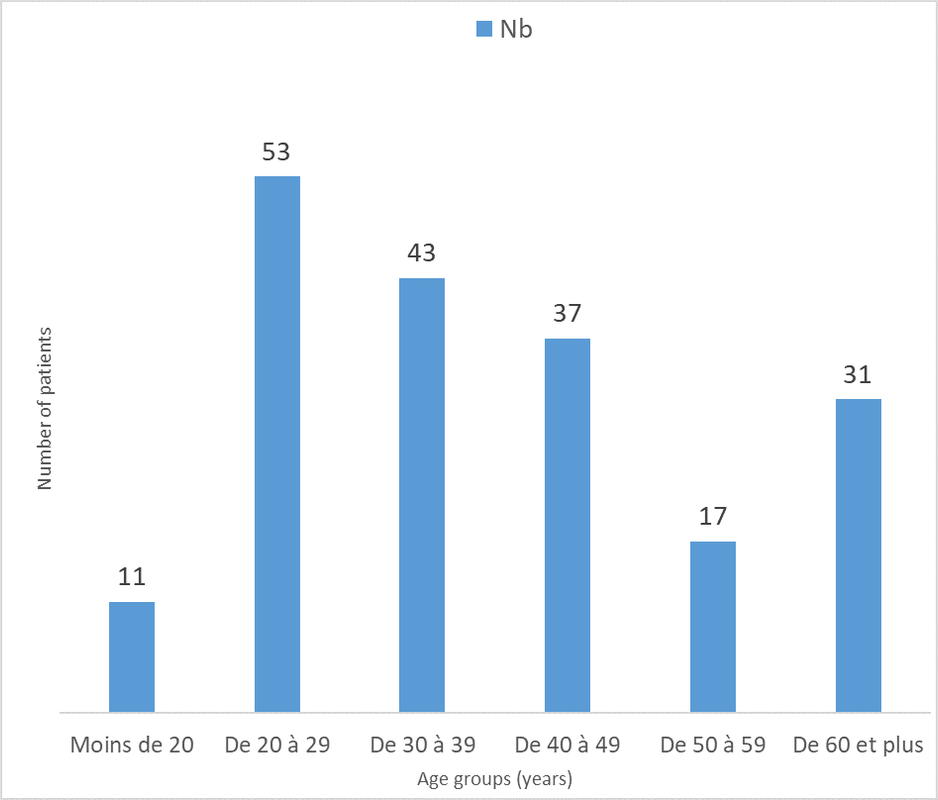
Figure 1. Age distribution of patients.
A female predominance was observed, with 118 women, corresponding to a sex ratio of 0.63.
The majority of patients (82.8%, n = 159) were undergoing OGD for the first time, whereas 17.2% (n = 33) had previously undergone the procedure. This high proportion of first-time endoscopies suggests limited or delayed access to this examination in our setting.
Regarding prior information, only 60% of patients reported having received explanations before the procedure, highlighting a notable deficiency in patient preparation.
Indications for upper gastrointestinal endoscopy were varied, with a clear predominance of epigastric pain, observed in 112 patients (58.3%). Gastroesophageal reflux disease (GERD) was the second most common indication, identified in 14 patients (7.3%). Other indications included dysphagia, upper gastrointestinal bleeding, and various digestive symptoms. The detailed distribution of indications is presented in Table I.
Table I. Indications for upper gastrointestinal endoscopy
|
Indications |
Number of patients |
Pourcentage |
|
Epigastric pain |
112 |
58,3% |
|
GERD |
14 |
7,3% |
|
Dysphagia |
7 |
3,6% |
|
Halitosis |
2 |
1% |
|
Hiccups |
2 |
1% |
|
Dyspepsia |
2 |
1% |
|
Vomiting |
1 |
0,5% |
|
Hématemesis |
8 |
4,1% |
|
Others* |
44 |
22,9% |
NB: plusieurs indications pouvaient être retrouvées chez un même patient.
Others*: odynophagie, pyrosis, éructation
From an endoscopic standpoint, a normal gastric mucosal appearance was observed in 71 patients (37%). Conversely, abnormalities were detected in 121 patients. Among these, gastritis was the most frequent lesion, identified in 50 patients, representing 41.3% of pathological findings (n = 121). Other findings included gastroduodenal ulcers, cardia abnormalities, and tumoral lesions. The distribution of pathological findings is detailed in Table II.
Table II. Distribution of patients according to endoscopic findings
|
Résultats EOGD |
Number of patients |
Pourcentage |
|
Gastritis |
50 |
41,3% |
|
Cardia incompetence |
19 |
15,7% |
|
Ulcer |
10 |
8,2% |
|
Tumor |
7 |
5,8% |
|
Duodenitis |
2 |
1,65% |
|
Esophagitis |
2 |
1,65% |
|
Hiatal hernia |
1 |
0,82% |
|
Polyp |
1 |
0,82% |
|
Esophageal varices |
1 |
0,82% |
|
Others |
28 |
23,1% |
NB: Several pathological lesions could be observed in a single patient.
The mean duration of the procedure was 9 minutes, with a range of 5 to 20 minutes, reflecting variability in procedural conditions and case complexity.
Unpleasant symptoms were frequent and often combined. Nausea was the most commonly reported symptom, affecting more than 85% of patients. It was followed by choking sensations, anxiety, and pharyngeal pain. The distribution of unpleasant symptoms is presented in Figure 2.
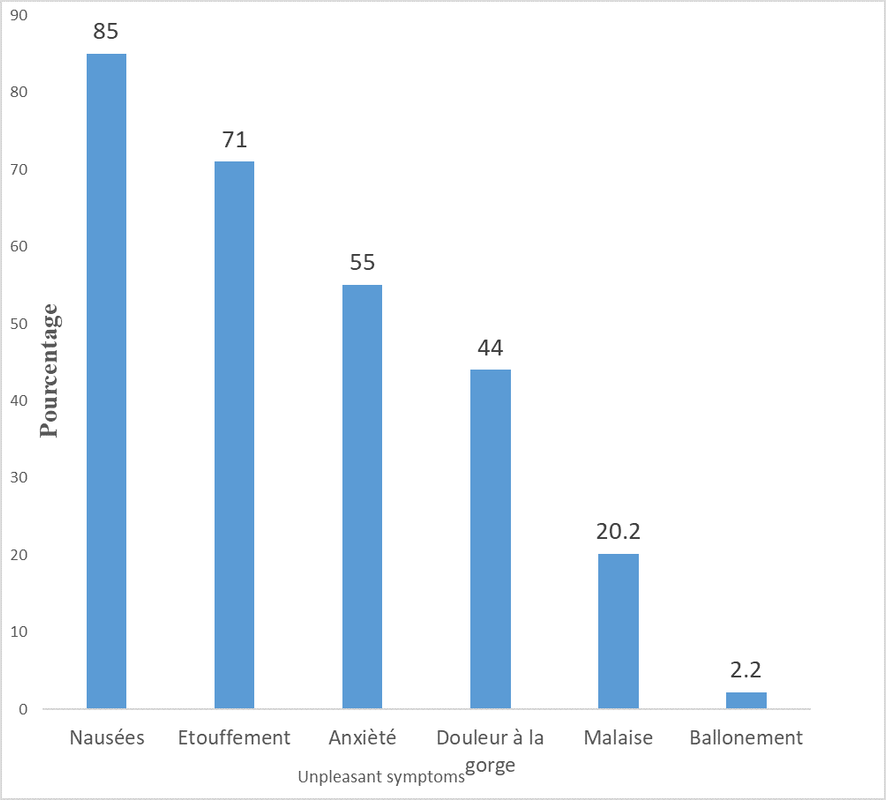
Figure 2. Distribution of patients according to unpleasant symptoms.
In terms of tolerance, 115 patients (60%) demonstrated good tolerance of the procedure. The distribution of tolerance levels is shown in Figure 3.
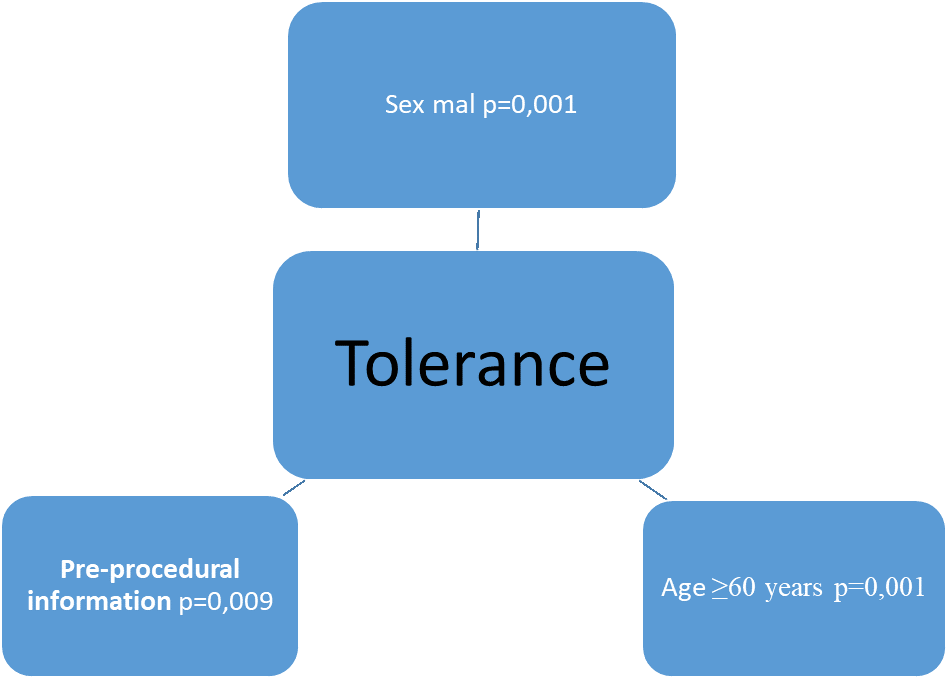
Figure 3. Main factors associated with good tolerance.
Multivariate analysis identified several factors independently associated with good tolerance of the procedure. These included age ≥60 years (p = 0.001), male sex (p = 0.001), and receipt of prior information before endoscopy (p = 0.009). Conversely, poor tolerance was significantly associated with lack of prior information, low educational level, and pre-procedural anxiety.
Similarly, acceptability of repeat OGD was influenced by several factors. Patients aged ≥60 years and male patients were more likely to accept repeat examination. In addition, a supportive attitude of healthcare staff (p = 0.0001) and absence of post-procedural pharyngeal pain (p = 0.002) were significantly associated with better acceptability.
Multivariate analysis identified several factors independently associated with good tolerance of the procedure. These included age ≥60 years (p = 0.001), male sex (p = 0.001), and receipt of prior information before endoscopy (p = 0.009). Conversely, poor tolerance was significantly associated with lack of prior information, low educational level, and pre-procedural anxiety. (Figure 4).
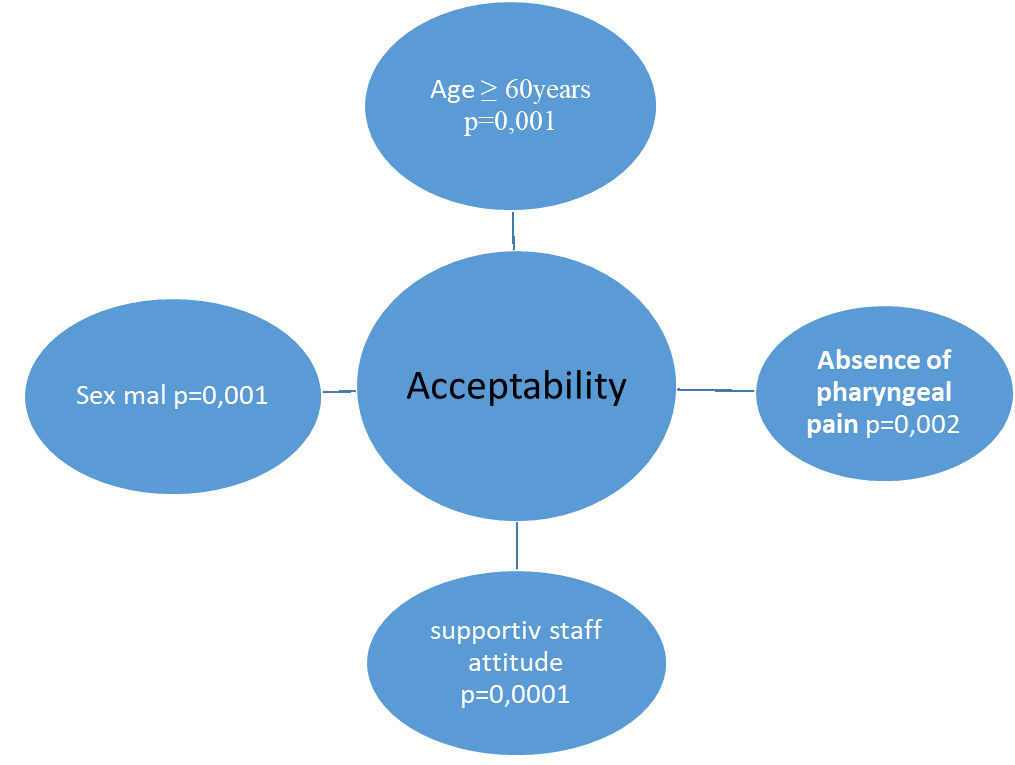
Figure 4. Main factors influencing the acceptability of repeating OGD without anesthesia.
Similarly, acceptability of repeat OGD was influenced by several factors. Patients aged ≥60 years and male patients were more likely to accept repeat examination. In addition, a supportive attitude of healthcare staff (p = 0.0001) and absence of post-procedural pharyngeal pain (p = 0.002) were significantly associated with better acceptability.
DISCUSSION
The mean age of patients in our study was 40 years, in full agreement with data reported in several West African series, notably those of Soro et al. in Côte d’Ivoire [3], Foma in Togo (43 years) [4], Koura in Burkina Faso (41.7 years) [5], and Ngouala in Senegal (39.9 years) [6]. This consistency across studies suggests a regional trend characterized by a predominance of young individuals undergoing upper gastrointestinal endoscopy. This finding can be explained by the demographic structure of sub-Saharan African countries, where the population is predominantly young [7,8].
Beyond this demographic aspect, it is important to highlight the probable role of functional gastrointestinal disorders, which are more common in younger individuals and often associated with psychosocial factors such as stress, dietary habits, and recurrent gastrointestinal infections. This pathophysiological dimension may explain the frequent use of OGD in this age group, sometimes in the absence of significant organic lesions.
The female predominance observed in our study (sex ratio = 0.63) is consistent with several African studies [6,9,10]. This trend may be explained by a dual mechanism. On the one hand, women are more likely to experience functional gastrointestinal disorders, often associated with psychosomatic factors. On the other hand, they tend to have higher healthcare utilization, leading to their overrepresentation in hospital-based studies. However, this finding should be interpreted with caution, as it may also reflect a recruitment bias.
The high proportion of patients undergoing OGD for the first time (82.8%) is noteworthy. This result, similar to that reported by Sombié [9], contrasts sharply with European data [11,12]. This discrepancy highlights inequalities in access to healthcare between low-resource and high-income settings. In Western contexts, health insurance coverage facilitates both initial access to endoscopy and its repetition for follow-up purposes. In contrast, in our setting, the cost of the procedure, often borne by the patient, represents a significant barrier.
The lack of prior information observed in 40% of patients represents a key determinant of patient experience quality. Similar findings have been reported by Sombié [9] and Soro [3], underscoring a recurrent issue in African settings. This deficiency may be related to the low proportion of referrals from specialists, as general practitioners constitute the majority of prescribers [13]. However, pre-endoscopic information plays a central role in reducing anxiety and improving patient cooperation. Studies have demonstrated that clear and appropriate information significantly enhances both tolerance and acceptability [14,15]. In this context, the development of standardized educational tools (such as brochures or explanatory videos) could represent a simple and effective intervention.
The mean duration of the procedure (9 minutes) is consistent with standards reported in the literature, although some studies have described shorter durations [16]. This variability can be explained by several factors, including operator experience, lesion complexity, and patient cooperation. It should be emphasized that, in a non-sedated setting, the duration of the examination may be influenced by patient tolerance, highlighting a bidirectional interaction between technical performance and patient experience.
The unpleasant nature of OGD, widely reported in our study, is consistent with findings in the literature [11,12,9,3]. The most frequent manifestations were nausea (85%) and choking sensations (71%), which are mainly explained by stimulation of the gag reflex during the passage of the endoscope through the oropharynx. This reflex, mediated by the glossopharyngeal and vagus nerves, constitutes a physiological defense mechanism whose intensity varies among individuals.
Studies by Altman et al. [17] have also highlighted the frequency of these manifestations, supporting the use of local anesthetics such as lidocaine. Furthermore, some studies have shown that the gag reflex tends to decrease with age, which may explain the better tolerance observed in older patients [18].
Pharyngeal pain, reported in 44% of patients, is comparable to African data [9,19], but remains higher than in studies using sedation [20]. Sedation, particularly with midazolam or propofol, significantly improves patient comfort due to its anxiolytic, sedative, and amnesic effects [21]. However, its use remains limited in our context due to logistical, financial, and safety constraints.
An interesting aspect of our study is the role of the human environment. Indeed, 53.6% of patients rated the staff’s attitude as satisfactory, a result comparable to that reported by Sombié [9]. The quality of the healthcare provider–patient relationship thus appears to be a major determinant of patient experience. Empathetic communication, clear explanations of the procedure, and reassuring support can significantly reduce anxiety and improve tolerance.
The rate of good tolerance observed (60%) is consistent with African data [11,9,10,22]. This finding suggests that, despite the absence of sedation, OGD remains feasible under acceptable conditions. However, tolerance is influenced by several factors.
Multivariate analysis identified age ≥ 60 years, male sex, and prior information as independent determinants of better tolerance. These findings are consistent with those of Tahri [10] and Froehlich [15]. The effect of age may be related to a reduction in the gag reflex and greater acceptance of the procedure, while the effect of sex may reflect differences in pain perception or behavioral responses to medical procedures.
Conversely, lack of prior information, low educational level, and pre-procedural anxiety were associated with poor tolerance, highlighting the central role of psychosocial factors.
Regarding acceptability, 60.1% of patients reported willingness to undergo the procedure again. Although this rate is lower than in some African studies [9,19], it remains encouraging. It suggests that, despite discomfort, patients recognize the clinical value of the examination.
Most patients willing to repeat OGD accepted to undergo it without sedation, reflecting adaptation to the local context. However, anesthesia could be selectively proposed for patients at risk of poor tolerance, particularly those with significant anxiety or a pronounced gag reflex.
Multivariate analysis showed that acceptability was influenced by age, male sex, staff attitude, and absence of pharyngeal pain. These findings confirm that the patient’s experience during the procedure strongly determines future acceptance.
Our findings highlight the importance of non-technical aspects of endoscopy, particularly patient-centered communication and emotional support. In low-resource settings where sedation is not routinely available, optimizing these factors may represent a cost-effective strategy to improve patient experience. This study therefore contributes to the growing body of evidence emphasizing the role of psychosocial determinants in endoscopic practice.
Finally, our study has some limitations. Its monocentric design may limit the generalizability of the results. In addition, the evaluation of tolerance and acceptability relies on subjective measures, which may be influenced by cultural and individual factors. Nevertheless, this study represents one of the few prospective analyses conducted in this field in sub-Saharan Africa, providing valuable data for improving clinical practice.
CONCLUSION
This study demonstrates that while unsedated OGD is feasible in routine practice, it remains associated with significant discomfort. Tolerance and acceptability are strongly influenced by modifiable factors, particularly pre-procedural information and the quality of patient–provider interaction.
Improving these aspects through standardized information protocols and enhanced communication could significantly improve patient experience without requiring additional technical resources.
However, the monocentric design and subjective assessment of outcomes represent limitations. Future multicenter studies integrating objective measures and evaluating interventions such as patient education or selective sedation are warranted.
ETHICAL APPROVAL
The study protocol was approved by the Research Ethics Committee of the Faculty of Medicine, Pharmacy and Odontology, Cheikh Anta Diop University, Dakar.
FUNDING
This research received no specific grant from any funding agency.
CONFLICTS OF INTEREST
The authors declare no conflicts of interest.
ACKNOWLEDGMENTS
The authors thank the staff of the endoscopy unit of Idrissa Pouye General Hospital for their collaboration.
REFERENCES
- Ndjitoyap N’dam EC, Njoya O, Tzeuton C. (1998). Tolerance and acceptability of upper gastrointestinal endoscopy: a prospective study of 530 examinations. Acta Endosc. 28:296.
- Altman C, Birraux T, Lapuelle J, Letard JC, Tusseau F, Canard JM. (2006). Assessment of patient satisfaction with endoscopy using an interactive voice response system. Gastroenterol Clin Biol. 30(3):371-376.
- Soro D, Lohoues Kouacou MJ, Ouattara A, Koné S, Kouassi AM, Diakité M, et al. (2013). Tolerance and Acceptability of Gastroscopy in Adults in Ivory Coast: 300 Cases. Mali Med. 28(2):37-40.
- Foma W, Amanai B, Lawson SL, Pegbessoui E, Boko E, Kpemissi E. (2019). Tolerance and experience of nasofibroscopy in patients at Sylvanus Olympio University Hospital in Lomé: evaluation using a self-administered questionnaire. J Tun ORL. 42(4):16-19.
- Koura M, Zongo/Napon DP, Ouattara ZD, Somda KS, Coulibaly A, Zoungrana SL, et al. (2017). Upper gastrointestinal endoscopy at University Hospital Sourô Sanou (Burkina Faso): signs and lesions observed. Open J Gastroenterol. 7(11):287-296.
- Ngouala G, Bourgi L, Veiga JAID, Sakho A. (2017). Upper gastrointestinal endoscopy in Louga (Senegal): patient profile and encountered difficulties. Pan Afr Med J. 27:211.
- Lawson-Ananissoh LM, Bouglouga O, Bagny A, Kaaga L, Redah D. (2014). Upper gastrointestinal endoscopy in 2795 patients at the University Hospital of Lomé: sex-related characteristics. Pan Afr Med J. 19:262.
- Trop M. (2009). Upper gastrointestinal endoscopy in a rural African setting in Togo. Med Trop (Mars). 69(1):48-50.
- Sombié R, Guingané A, Tiendrébéogo A, Gansané Z, Bougouma A. (2016). Evaluation of tolerance and acceptability of upper gastrointestinal endoscopy in 350 patients. J Afr Hepatogastroenterol. 10(1):6-9.
- Tahri I, Khannoussi W, Kharrasse G, Zahi I, Mekkaoui AE. (2018). Quality, tolerance and acceptability of gastroscopy: prospective study. Endoscopy. 50:480.
- Raymond JM, Michel P, Beyssac R, Capdenat E, Couzigou P, Janvier G, et al. (1996). Patient's opinion following an upper digestive endoscopy in ambulatory care. Results of a national survey (II). Gastroenterol Clin Biol. 20(6-7):570-574.
- Roziere A, Cessot F, Pichon N, Bouarioua N, Vincencisini JF, Ngomirakiza JB, et al. (2004). Prospective analytical study of tolerance of upper gastrointestinal endoscopy performed at Limoges University Hospital. Endoscopy. 36(3):68.
- Sye H. Knowledge, attitudes and practices of general practitioners regarding upper gastrointestinal endoscopy at Yalgado Ouédraogo University Hospital, Ouagadougou (Burkina Faso). Thesis. Joseph Ki-Zerbo University.
- Balamane A, Oussalah A, Bensenane M, et al. (2008). Impact of patient information prior to digestive endoscopy: experience of a university hospital department. Gastroenterol Clin Biol. 32:114.
- Froehlich F, Schwizer W, Thorens J, Köhler M, Gonvers JJ, Fried M. (1995). Conscious sedation for gastroscopy: patient tolerance and cardiorespiratory parameters. Gastroenterology. 108(3):697-704.
- Alexandridis E, Inglis S, McAvoy NC, Falconer E, Graham C, Hayes PC, et al. (2014). Randomized clinical study: comparison of acceptability, patient tolerance, cardiac stress, and endoscopic views in transnasal versus transoral endoscopy under local anesthesia. Aliment Pharmacol Ther. 40(5):467-476.
- Altman C, Birraux T, Lapuelle J, Letard JC, Tusseau F, Canard JC. (2006). Assessment of patient satisfaction with endoscopy using an interactive voice response system. Gastroenterol Clin Biol. 30(3):371-376.
- Colliard-Moisan C, De Decker L, Chevalet P, et al. (2009). Evaluation of tolerance of oesophagogastroduodenoscopy in elderly patients. Ann Gerontol. 2(3):161-167.
- Sehonou J, Kodjoh N, Addra B. (2005). Tolerance and acceptability of unsedated oesophagogastroduodenoscopy at the Military Teaching Hospital of Cotonou. Acta Endosc. 35:493-498.
- Amouretti M. (1991). Evaluation of patient satisfaction after upper gastrointestinal endoscopy and its relationship with examination conditions. Acta Endosc. 21(2):324-339.
- Riphaus A, Wehrmann T, Weber B, et al. (2009). Sedation for gastrointestinal endoscopy. Endoscopy. 41:787-815.
- Ibara JR, Okouo M, Attipo-Ibara BI, et al. (1997). Tolerance and acceptability of upper gastrointestinal endoscopy in African patients. Ann Gastroenterol Hepatol. 33:77.
