Information Links
Related Conferences
Current Issue Volume 10, Issue 1 - 2026
War and Health: Conflict, Health Outcomes and the Role of Emergency Medicine in the Democratic Republic of the Congo
Holzman Andrew1, Olinga Daniel2, Busingye Jacob2, Rappaport Douglas3,*
1Mayo Clinic Alix School of Medicine. 13400 E. Shea Blvd., Scottsdale AZ 85259, USA
2Mbarara University of Science and Technology, Department of Emergency Medicine, Mbarara-Kabale Highway, Mbarara City, Uganda
3Mayo Clinic Hospital Department of Emergency Medicine, 5777 E. Mayo Blvd., Phoenix AZ 85054, USA
*Corresponding author: Douglas Rappaport, MD, Mayo Clinic Hospital Department of Emergency Medicine, 5777 E. Mayo Blvd., Phoenix AZ 85054, USA, Phone: 4133134882, E-mail: [email protected]
Received Date: March 28, 2026
Published Date: June 08, 2026
Citation: Andrew H, et al. (2026). War and Health: Conflict, Health Outcomes and the Role of Emergency Medicine in the Democratic Republic of the Congo. Mathews J Emergency Med. 10(1):71.
Copyrights: Andrew H, et al. © (2026).
ABSTRACT
Background: The Democratic Republic of the Congo (DRC) has experienced prolonged, repeated periods of armed conflict alongside substantial challenges with healthcare infrastructure and outcomes. We aimed to evaluate whether the number of combat casualties in each year was associated with changes in public health outcomes, and if regional intensity of conflict was associated with reduced density of healthcare infrastructure. Emergency Medicine as a specialty is still grossly underdeveloped in the DRC. In 2017, the first national Association of Emergency Medicine, the Association de Medecine d’Urgence Republique Democratique du Congo (AMURDC), was established. Despite this, according to a 2024 study, emergency and resuscitation systems and pre hospital care systems are essentially non-existent in the country. Methods: We constructed a cross-sectional provincial dataset combining publicly available estimates of conflict-related casualties, healthcare facility counts (including non-public facilities), 2019 population data, national GDP, and selected health indicators. We calculated casualties per 100,000 people and persons per healthcare facility for each province. Using univariate regression, we assessed whether conflict deaths or GDP was more strongly associated with five health outcomes: maternal mortality, neonatal mortality, under-five mortality, and reported cases of tetanus and measles. Heatmaps and bar plots were used to visualize provincial variation. Results: Conflict deaths were not significantly associated with either healthcare facility density or any of the five health outcomes. In contrast, GDP demonstrated strong negative associations with neonatal mortality (R2 = 0.75, p < 0.001), under-five mortality (R2 = 0.70, p < 0.001), and a moderate negative association with maternal mortality (R2 = 0.36, p < 0.001). Visual analysis confirmed that provinces with the highest conflict burden did not consistently exhibit the worst healthcare infrastructure density or lowest numbers of non-governmental healthcare facilities. Conclusion: In the DRC, healthcare outcomes are more strongly associated with economic development as measured by GDP than conflict intensity year-on-year. Conflict burden does not appear to be a primary driver of the density of healthcare facilities by province. These findings suggest that conflict in the DRC, which has been highly local and cyclic in nature, has not been the primary driver of public health in the nation despite the tremendous challenges it poses. Policy aimed at improving health in the DRC should account for broader development factors alongside the impact of conflict. This should include strengthening and establishing robust emergency medicine infrastructure including dedicated emergency departments, prehospital care systems, and specialty specific training in emergency medicine. Investment is such systems will be essential for improvement of population-based health outcomes and is a public health imperative in the DRC.
Keywords: War and Health, Conflict, Emergency Medicine, Emergency Medicine Systems, Health Systems Development
BACKGROUND
The Democratic Republic of the Congo (DRC) uses a three-tiered healthcare system which divides the country into health zones, served by referral hospitals, and health areas, served by primary care health centers [1]. Although most health areas do have a corresponding primary care facility, about a quarter lack a secondary facility for referral [1]. Primary care facilities are staffed by generalist physicians or, in some rural areas, nurses [2]. Specialists are located mostly in the secondary and tertiary hospitals, centralized around the capital of Kinshasa [1]. Private healthcare facilities are also an important part of the system and include religious and humanitarian facilities or drug stores, with many DRC residents paying out of pocket for some services [3,4].
Emergency medicine as a specialty and dedicated centers for emergency medicine are essentially nonexistent in the DRC [5]. The lack of such systems poses substantial limitations in the care of acute illness, including both traumatic and non-traumatic etiologies of disease, especially in times of conflict. Emergency medicine facilities are essential in providing care during times of conflict given their ability to treat and triage a variety of conflict-related diseases and injuries. There is a strong body of evidence that has consistently shown the effectiveness of even basic emergency medicine services in the developing world in terms of improving survival for patients with traumatic injuries [6]. Given trauma is a leading cause of death in times of conflict [7], it stands to reason that establishing robust and dedicated emergency medicine and prehospital care systems is essential in improving health outcomes in these settings.
Healthcare in the DRC has faced a long history of systemic challenges. In addition to being one of Sub-Saharan Africa’s most populous nations, the DRC is among the world’s poorest, with the majority living in poverty [4]. Healthcare systems are challenged by rugged and remote terrain with poor infrastructure development in most areas [3]. In addition, widespread violence has caused serial displacements of hundreds of thousands of individuals within the country, at times overwhelming facilities locally [8,9]. As an example, in South Kivu, an area in the nation’s east, long plagued by instability following the Rwandan genocide, UNICEF in 2020 reported health facilities being damaged or abandoned amidst fighting [8].
A variety of attempts have been made to understand the link between public health outcomes and conflict, including in terms of its long-term effects on chronic health needs and infrastructure [7]. Previously, a study of data from across Africa found non-significant positive associations between the intensity of conflict and some public health measures [10].
METHODS
Data on conflict casualties were obtained from the Uppsala Conflict Data Program’s Georeferenced Event Dataset [11,12]. “Best estimate” data from the database was summed for all years of data availability (1989–2023). In some cases, historical reorganization of provinces in the DRC meant that data for administrative locale did not correspond to an extant province, or the dataset was blank for this parameter. This affected 13,533 casualties out of the total 133,784 for the full dataset and is discussed in detail below.
Data on healthcare facility locations was taken from the World Health Organization’s (WHO) African Health Observatory Facility Master List [13]. The Master List contains facilities coded with the province “Kasai-Occidental.” This region was divided in 2015 into surrounding provinces.
Data on health outcomes were taken from the World Health Organization datasets [14,15]. Specific outcomes were selected for good data availability across all years and included maternal mortality (measured per 100,000 live births), neonatal mortality (per 1,000 live births), and under-5 mortalities (per 1,000 live births). Data from the WHO immunization data portal were used for disease incidence data, and measles and tetanus were selected for good data availability (measured in number of reported cases) [15].
Census data by province was taken from a 2020 government report, which was the last reliable data obtainable in our research [16].
Statistical analysis and data visualization were performed in R using the dplyr, ggplot2, sf, and knitr packages.
RESULTS
Heatmaps showing density of healthcare facilities (measured in number of facilities per 100,000 individuals) and conflict (measured in number of deaths per 100,000 individuals) by province are shown in Figure 1 and Figure 2.
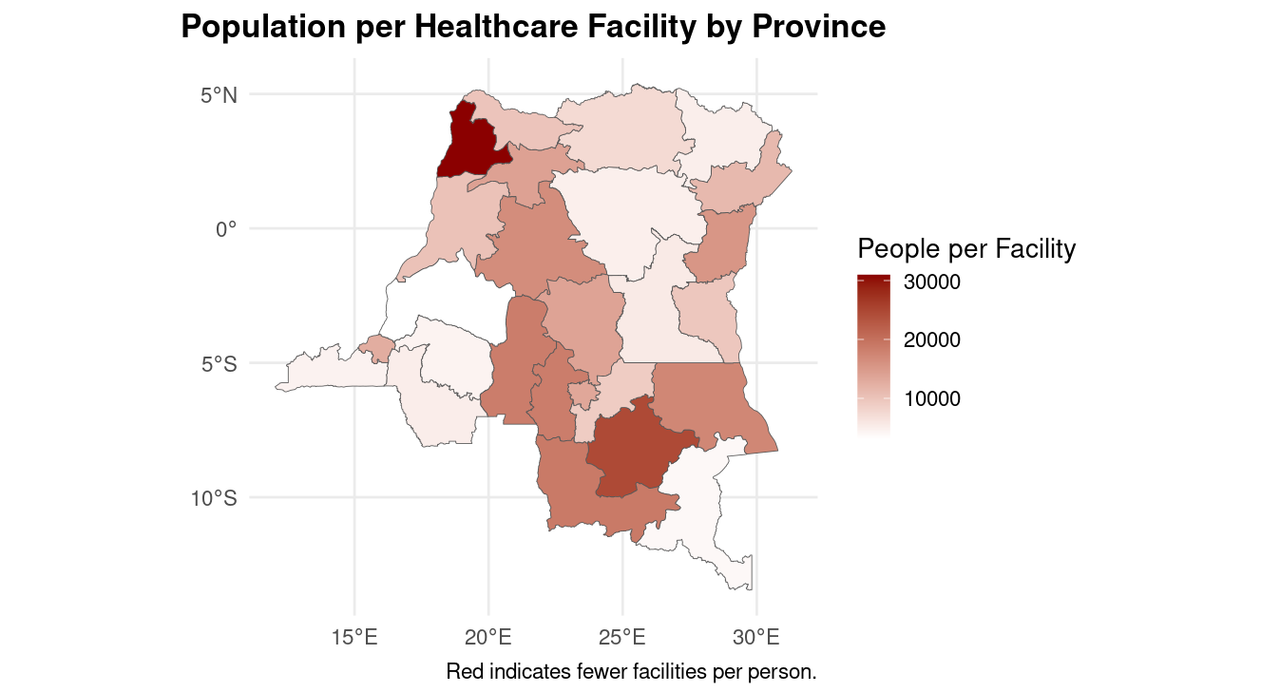
Figure 1. Population per Healthcare Facility by Province.
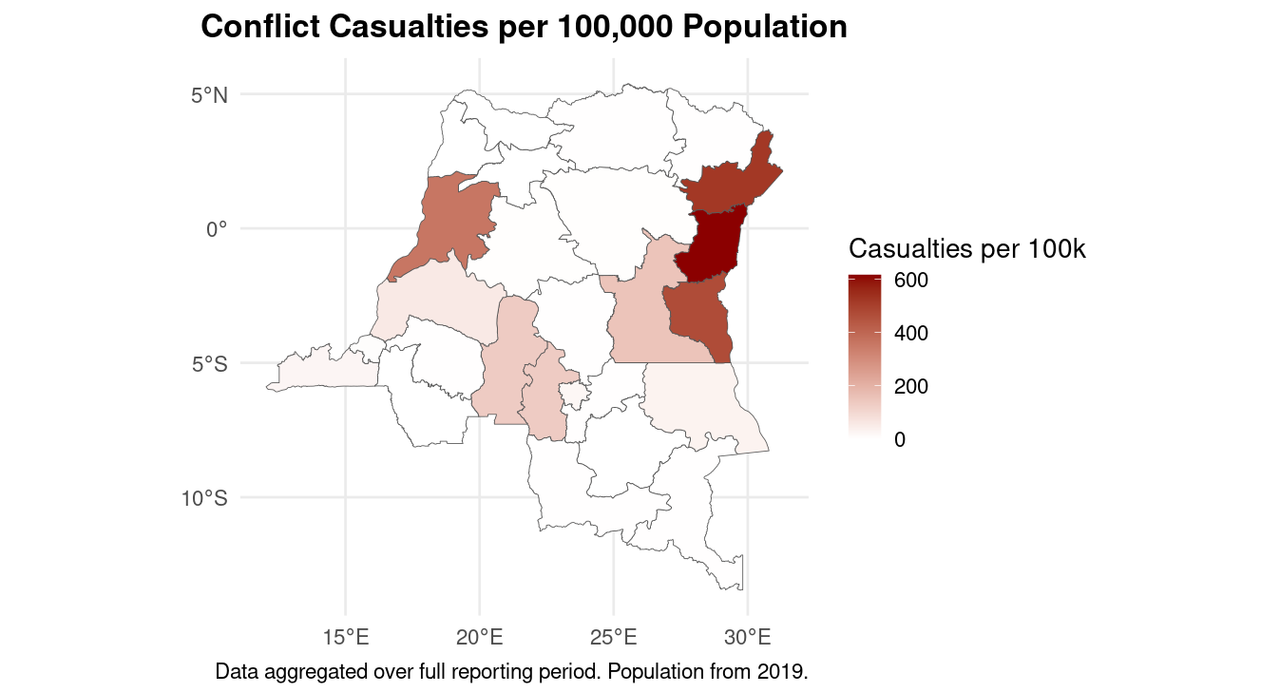
Figure 2. Conflict Casualties per 100, 000 Population.
Univariate regression of indicators on the predictors tested was as shown in Table 1.
Table 1
|
Outcome |
Predictor |
Coefficient |
Standard Error |
T-statistic |
p Value |
R squared |
n |
|
Maternal Mortality |
GDP |
-0.52 |
0.13 |
-4.07 |
<.001*** |
0.355 |
32 |
|
Neonatal Mortality |
GDP |
-0.03 |
0 |
-9.73 |
<.001*** |
0.753 |
33 |
|
Mortality Under 5 |
GDP |
-0.21 |
0.03 |
-8.61 |
<.001*** |
0.705 |
33 |
|
Tetanus |
GDP |
-3.74 |
1.34 |
-2.8 |
0.011*** |
0.281 |
22 |
|
Measles |
GDP |
160.02 |
119.92 |
1.33 |
0.197 |
0.082 |
22 |
|
Maternal Mortality |
Conflict Deaths |
0 |
0 |
0.66 |
0.516 |
0.014 |
32 |
|
Neonatal Mortality |
Conflict Deaths |
0 |
0 |
0.7 |
0.488 |
0.015 |
34 |
|
Mortality Under 5 |
Conflict Deaths |
0 |
0 |
0.82 |
0.418 |
0.021 |
34 |
|
Tetanus |
Conflict Deaths |
0.16 |
0.09 |
1.74 |
0.096 |
0.121 |
24 |
|
Measles |
Conflict Deaths |
-5.27 |
9.26 |
-0.57 |
0.575 |
0.015 |
24 |
The normalized change in measured predictors, health indicators and disease incidence are shown in Figures 3, 4 and 5.
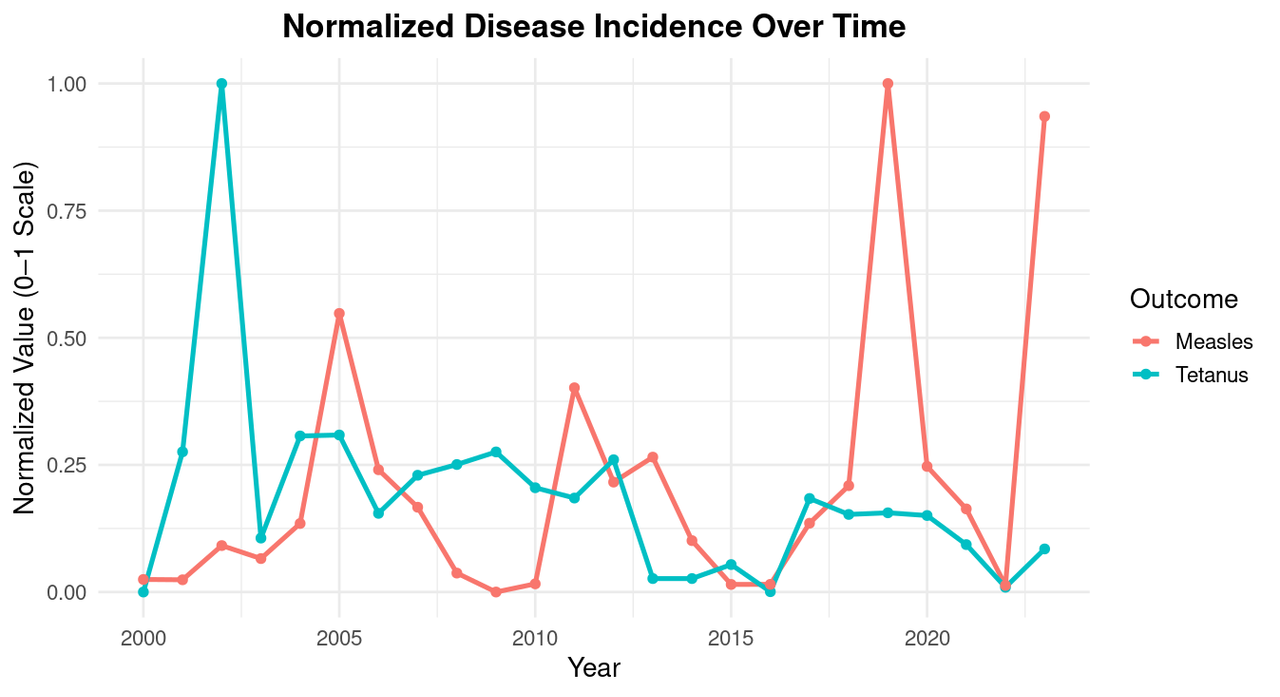
Figure 3. Normalized Disease Incidence Over Time.
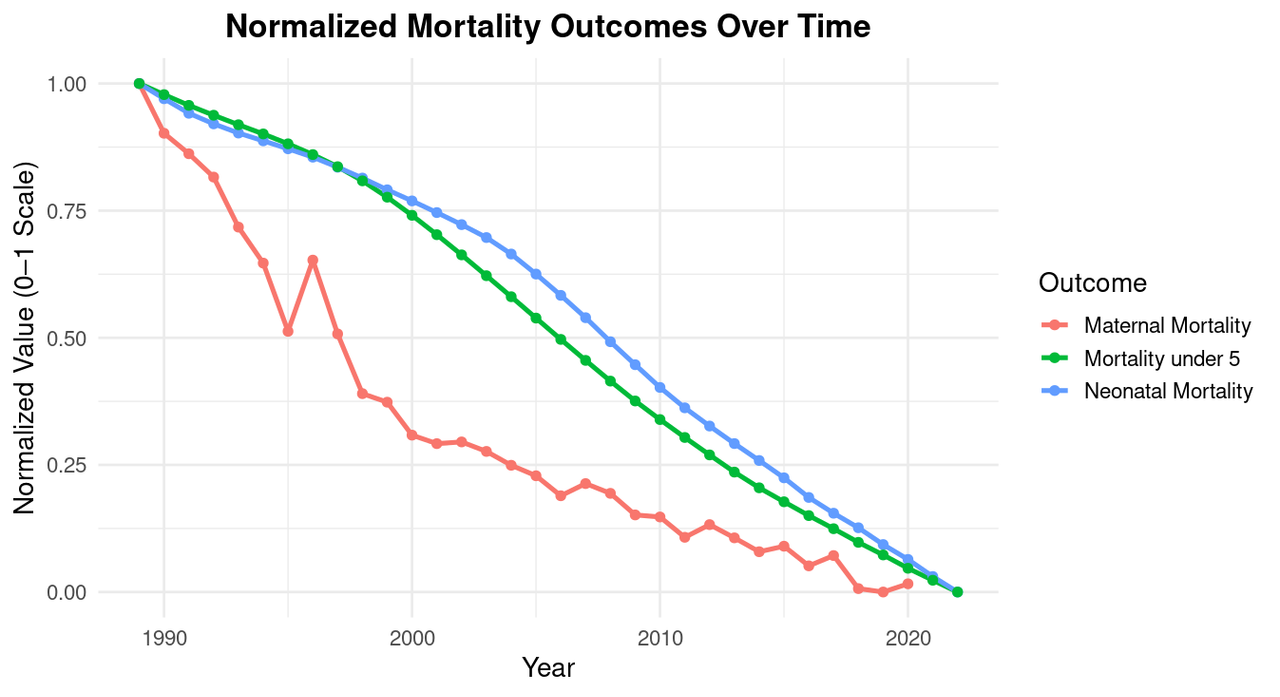
Figure 4. Normalized Mortality Outcomes Over Time.
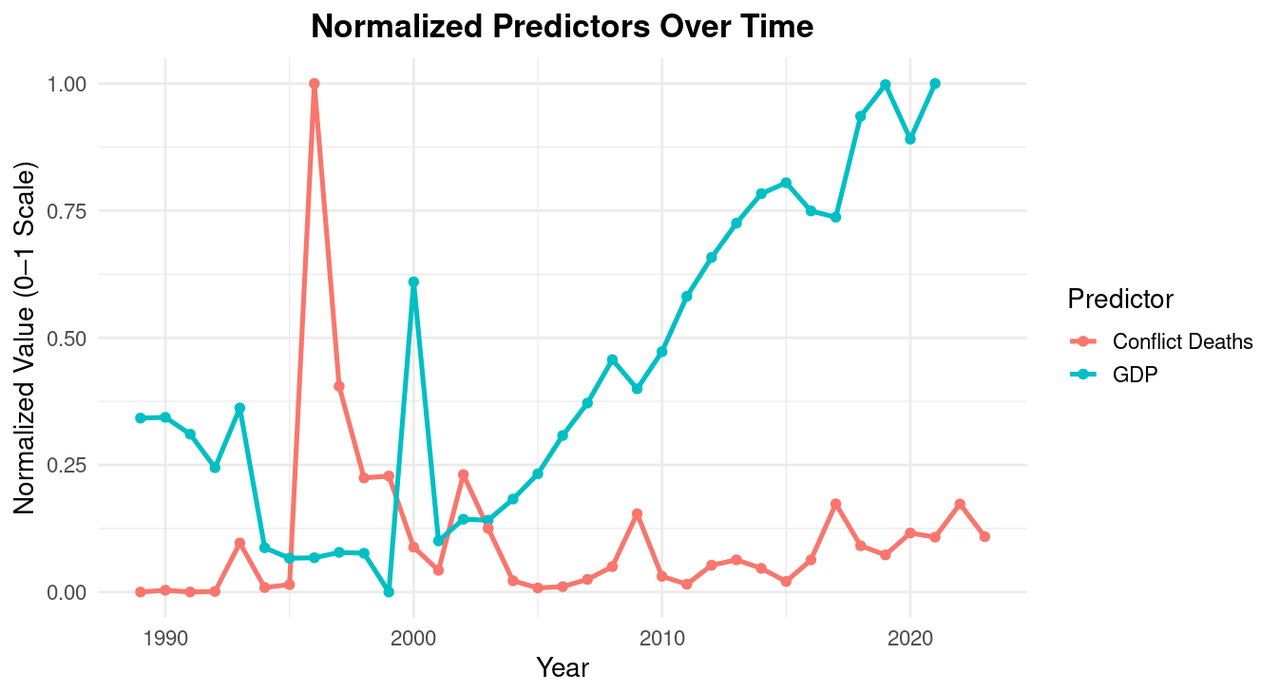
Figure 5. Normalized Predictors Over Time.
DISCUSSION
The heatmap of conflict casualties highlights the highly asymmetric and localized geography of violence in the DRC. The vast majority of conflict deaths occurred in the eastern and northeastern provinces, especially Nord Kivu, Sud Kivu, and Ituri [8,9]. This is consistent with the history of instability in the eastern borderlands, much of which stems from response to the Rwandan genocide, the First and Second Congo Wars, and their aftermath. A second pocket of notable conflict activity is seen in Équateur, located on the western edge of the country [9].
Nevertheless, we did not see a strong association between regions where fighting has been the most intense and a relatively more severe lack of healthcare infrastructure. Most notably, the eastern regions which have been subject to the most long-standing destabilization following the First and Second Congo Wars do not show a corresponding relative deficit in their healthcare infrastructure. A possible exception to this trend is the outlier of Sub-Ubangi, a western province which was subject to the most severe lack of healthcare facilities–this region has experienced significant fighting affecting the Équateur region, including in the 2009 Dongo Conflict [9]. This data is coded to Équateur in the UCDP dataset (see below on the effect of provincial reorganizations).
This lack of trend extended to development by non-governmental organizations, with non-public centers also showing distribution across provinces apparently unrelated to historical centers of conflict.
Regressions comparing combat casualties by year to health outcomes did not yield strong correlations or statistical significance in any domain [7]. This finding aligned with a previous study of aggregated conflict data from a number of African nations including the DRC (also using the UCDP dataset) over a more limited time period ranging from 2000 to 2019, which also failed to find a statistically significant correlation to identical outcomes. The study did find significance when adjusting for factors including income per capita. We do note a trend, not achieving statistical significance, between conflict casualties and tetanus incidence. This could be due to increased exposure to tetanus during incidents of mass displacement following conflict escalation, although we stress this trend did not achieve statistical significance.
Nevertheless, there were strong and statistically significant negative correlations between GDP and maternal mortality, neonatal mortality, mortality under 5, and tetanus incidence [10]. This suggests prevailing economic conditions in the DRC may be a greater driver of health outcomes. While it is one of the poorest nations on earth, the DRC is also one of the richest in valuable natural resources including gold, gems, and cobalt [17]. This has led to its canonical place as an example of the “resource curse” in international development discourse, which suggests that combat involving control of material wealth paradoxically prevents the use of that wealth in development [18]. A legacy of corrupt administrative behavior dating back to a brutal colonial occupation also contributes to the country’s historic inability to benefit from its own material wealth [19]. Our analysis emphasizes the importance of considering these factors when addressing health outcomes in the DRC.
The continued development of emergency medicine as a dedicated specialty and establishing centers of emergency medicine will be essential as a part of the ongoing development of a comprehensive health care system within the DRC [5,6]. Emergency medicine has expanded rapidly in sub-Saharan Africa over the last decade, and a majority of countries in the Great Lakes region have not only multiple fully functional emergency departments but also dedicated emergency medicine residency training programs. Largely because of longstanding political and social instability, the DRC is lagging behind its neighbors in this regard. A glaring example of this is the lack of any current formal emergency medicine residency training program in the DRC. To mitigate the health impact of conflict, emergency departments are essential to provide acute critical care. Additionally, emergency departments also may serve as safety net facilities when smaller local health centers break down during widespread social upheaval. Continued investment and development of emergency medicine as a specialty, including dedicated emergency departments, establishing fully functioning prehospital care systems, and starting specialty-specific training programs in emergency medicine, all will be vital as a part of health systems development in the DRC especially in times of conflict.
LIMITATIONS
A key limitation in interpreting our provincial-level analysis is the evolving administrative geography of the Democratic Republic of Congo. In 2015, the country underwent a major territorial reorganization. This change significantly affected the Kasai region, which was split from the former Kasai Occidental and Kasai Oriental provinces into the modern-day Kasai, Kasai Central, and Kasai Oriental. The healthcare facility dataset used in our analysis includes facilities listed under “Kasai Occidental,” an administrative unit that no longer exists. These facilities would now fall under either Kasai or Kasai Central, which causes underrepresentation of these modern successor provinces in our dataset. However, given that neither Kasai nor Kasai Central appear significant in our analysis, we judged that manual reassignment of these facilities was unnecessary.
In addition to healthcare data, the conflict dataset also reflects the impact of historical administrative changes. The UCDP data used in this study spans from 1989 onward and includes 13,533 (of 133,784) conflict-related deaths that were not directly assignable to a current province. These casualties were associated with the following historical or ambiguous regions: Orientale province, reorganized in 2015 into Haut-Uele, Bas-Uele, Ituri, and Tshopo; Bandundu province, split into Kwilu, Kwango, and Mai-Ndombe; Haut-Congo and Haut-Zaire, both historical names for portions of Orientale; Katanga, divided in 2015 into Tanganyika, Haut-Katanga, Haut-Lomami, and Lualaba; and a subset of casualties (1,069) for which no provincial designation was recorded. Exclusion of this data from the province-level heatmap is acknowledged as a limitation but unlikely to affect the spatial interpretation of the broader trends. We note the UCDP dataset is linked to precise coordinate locations for each incidence of violence it records, and so a more granular reassignment of these casualties would be possible. Lastly, we performed univariate analysis so this may conflate associations with causality.
CONCLUSION
The DRC has struggled with cyclic bouts of localized violence which have led to long-standing national instability. Healthcare infrastructure in the country is very limited with grossly underdeveloped emergency medicine services, training, and infrastructure. While outcomes are improving steadily, measurable health outcomes remain poor. Our analysis shows that fighting in the DRC has likely not been the primary driver for public health in the nation. Instead, there is a strong correlation to economic development. The broad picture of development in the DRC should consider health systems development which includes dedicated investment in emergency medicine specifically. This could contribute to establishing dedicated departments of emergency medicine, prehospital care systems and emergency medicine training programs. This development should be considered alongside conflict when addressing national public health.
REFERENCES
- Exemplars in Global Health. (2026). Democratic Republic of the Congo: Essential health services and epidemic preparedness
- Fina-Lubaki JP, Mudji E'kitiak J, Lukanu Ngwala P. (2024). Primary healthcare training in the Democratic Republic of the Congo. Afr J Prim Health Care Fam Med. 16(1):e1-e3.
- Juma CA, Mushabaa NK, Abdu Salam F, Ahmadi A, Lucero-Prisno DE. (2020). COVID-19: The current situation in the Democratic Republic of Congo. Am J Trop Med Hyg. 103(6):2168-2170.
- World Bank. (2026). The World Bank in Democratic Republic of Congo: Overview.
- Kabongo D, Issa M, Diango K, Bilomba P, Simbi C, Nsampi AD. (2024). Evaluation of resuscitation systems in the Democratic Republic of Congo: A narrative review. Resusc Plus. 18:100656.
- Li A, Feng Q, Zhao Y, Zhang X, Jiang W. (2025). Comprehensive meta-analysis of emergency trauma outcomes: trends, interventions, and survival rates. Front Public Health. 13:1696401.
- Garry S, Checchi F. (2020). Armed conflict and public health: into the 21st century. J Public Health (Oxf). 42(3):e287-e298.
- UNICEF. (2026). UNICEF provides assistance to 40,000 people displaced by inter-ethnic conflict in the Democratic Republic of the Congo.
- ReliefWeb. (2026). DR Congo: Spotlight on the Équateur crisis.
- David SD, Eriksson A. (2025). Association between conflict intensity and health outcomes in contemporary conflicts, while accounting for the vulnerability and functioning of healthcare services. Confl Health. 19(1):14.
- Sundberg R, Melander E. (2013). Introducing the UCDP Georeferenced Event Dataset. J Peace Res. 50(4):523-532.
- Uppsala Conflict Data Program. (2026). UCDP Georeferenced Event Dataset (GED).
- World Health Organization Regional Office for Africa. (2026). African Health Observatory: Master Facility List.
- World Health Organization. (2026). Democratic Republic of the Congo country data
- World Health Organization. (2026). Immunization data portal.
- Institut National de la Statistique (DRC). (2020). Annuaire statistique 2020.
- Laudati A. (2013). Beyond minerals: broadening “economies of violence” in eastern Democratic Republic of Congo. Rev Afr Polit Econ. 40(135):32-50.
- International Crisis Group. (2012). Eastern Congo: Why stabilisation failed. Brussels: International Crisis Group.
- Bak M, Vrushi J, Mpararo E. (2019). Democratic Republic of the Congo: Overview of corruption and anti-corruption. Berlin: Transparency International.
