Information Links
Related Conferences
Current Issue Volume 10, Issue 1 - 2026
Sida cordifolia (L.): A Comprehensive Review of its Ethnobotany, Phytochemistry, and Pharmacology
Pratik Tailor*
Department of Quality Assurance, Maliba Pharmacy College, Uka Tarsadia University, Guarat, India
*Corresponding author: Dr. Pratik Tailor, Department of Quality Assurance, Maliba Pharmacy College, Uka Tarsadia University, Guarat, India, Phone: 09925802146, E-mail: [email protected]
Received Date: January 13, 2026
Published Date: February 26, 2026
Citation: Tailor P. (2026). Sida cordifolia (L.): A Comprehensive Review of its Ethnobotany, Phytochemistry, and Pharmacology. Mathews J Pharma Sci. 10(1):60.
Copyrights: Tailor P. © (2026).
ABSTRACT
Sida cordifolia (L.), known commonly as Bala in Ayurvedic medicine, is a revered herb with a long history of use in traditional healthcare systems across India and other parts of the world. This comprehensive review encapsulates the existing scientific knowledge on its ethnobotanical applications, phytochemical composition, and validated pharmacological activities. Traditionally employed as a strengthening tonic (Rasayana), Bala is used to treat a wide array of ailments including respiratory conditions, inflammatory disorders, and neurological diseases. Phytochemical investigations have revealed a complex profile of bioactive compounds, primarily alkaloids such as vasicine, vasicinone, and β-phenethylamine, alongside flavonoids, sterols, and fatty acids. However, the presence of the sympathomimetic alkaloid ephedrine remains a subject of significant scientific controversy, with conflicting reports in the literature. Modern pharmacological studies have scientifically validated many of its traditional uses, demonstrating significant CNS depressant, anti-inflammatory, analgesic, hepatoprotective, and hypotensive effects, often contradicting the stimulant properties implied by some commercial applications. This review highlights the immense therapeutic potential of Sida cordifolia while underscoring the critical need for further research to resolve chemical inconsistencies, address taxonomic ambiguities, and clinically validate its traditional applications for modern medical use.
Keywords: Sida cordifolia, Bala, Malvaceae, Ayurvedic Medicine, Phytochemistry, Pharmacological Activities, Medicinal Plant, Bioactive Compounds, Ethnopharmacology.
INTRODUCTION: THE ENDURING LEGACY OF 'BALA' [COUNTRY MALLOW]
Sida cordifolia (L.), known throughout the Indian subcontinent by its Sanskrit name 'Bala', stands as a cornerstone of traditional Indian medicine. Revered in Ayurveda for its strengthening and rejuvenating properties, this humble shrub has been utilized for millennia to treat a vast spectrum of diseases. Its legacy is rooted in ancient texts where it is prescribed for everything from nervous system disorders and rheumatism to respiratory ailments and general debility. As global interest in herbal medicine continues to grow, there is an increasing demand for the scientific validation of such traditional remedies. The evaluation of plants like S. cordifolia through a modern scientific lens is crucial not only to confirm their efficacy but also to ensure their safety and quality.
The purpose of this review is to synthesize the extensive body of knowledge on Sida cordifolia, bridging the gap between its ancient ethnobotanical roots and contemporary scientific investigation. We aim to provide a comprehensive overview of its botanical characteristics, traditional applications, complex phytochemical profile, and the spectrum of scientifically validated pharmacological activities. This review will critically examine the existing literature, highlighting both the consistent findings that support its traditional use and the significant contradictions, particularly regarding its alkaloid content, that require further clarification. This document will proceed by first establishing the plant's botanical and ethnobotanical context, then delving into its detailed chemical composition, followed by a review of its validated pharmacological effects, and concluding with a discussion on its safety, current research gaps, and future therapeutic potential.
BOTANICAL PROFILE AND ETHNOBOTANICAL CONTEXT
Establishing a clear botanical and ethnobotanical foundation for Sida cordifolia is of strategic importance for its scientific study and therapeutic application. Accurate botanical identification and a thorough understanding of its traditional uses are critical prerequisites for any valid phytochemical or pharmacological investigation. This is particularly vital for S. cordifolia due to the well-documented confusion surrounding the commercial Ayurvedic drug 'Bala', where several different Sida species are often used interchangeably or as adulterants, potentially leading to inconsistent clinical outcomes and flawed research data.
Botanical Description, Classification, and Distribution [1-4]
Sida cordifolia is a perennial, erect, downy undershrub that typically grows to a height of 0.5 to 1.5 meters. Its root and stem are notably stout and strong.
- Leaves: The leaves are simple, alternate, and heart-shaped (cordate), measuring 2.5–7 cm long and 2.5–5 cm broad. They are very downy or softly hairy on both surfaces, with a serrated (crenate) margin and a prominent 7-9 nerved base.
- Flowers: The flowers are small, bisexual, and typically light yellow to cream-white in color. They are solitary and axillary, though they can appear crowded toward the tips of the branches.
- Fruits: The fruit is a depressed, globose schizocarp, 6–8 mm in diameter, which splits into multiple single-seeded segments (mericarps). Each carpel possesses a pair of long, straight awns.
- Seeds: The seeds are smooth, flattened, kidney-shaped (reniform), and grayish-black or brown in color. The plant generally flowers from August to December and fruits from October to January.
- The complete scientific classification of Sida cordifolia is as follows:
- Kingdom: Plantae
- Division: Magnoliophyta (Angiospermae)
- Class: Magnoliopsida (Eudicots)
- Order: Malvales
- Family: Malvaceae
- Genus: Sida L.
- Species: Sida cordifolia L.
Geographically, S. cordifolia is widely distributed throughout the tropical and subtropical plains of India and Sri Lanka, occurring up to an altitude of 1050 meters. It often grows as a common weed in wastelands and along roadsides, especially in damp climates.
Table 1. Names of S. cordifolia in Different language
|
Language/Region |
Name |
|
English |
Country mallow |
|
Sanskrit |
Bala, Vatyalika, Bhadra, Baladhya |
|
Hindi |
Kungyi, Khiratee, Bariyar, Khareti, Barial |
|
Bengali |
Brela, Swetberela, Bala, Bedela, Barila |
|
Gujarati |
Mahabala, Khapat, Baladana, Junglimethi |
|
Kannada |
Hettuthi, Hettugigada, Kisangi |
|
Konkani |
Kobirsir-bhaji, Muttava |
|
Malayalam |
Kurunthotti, Velluram, Kathuram |
|
Marathi/Maharashtra |
Chikana, Khiranti |
|
Mundari |
Marang, Lupaaraba, Huringmindilata |
|
Oriya |
Badianaula, Bisvokopari |
|
Punjabi |
Simak, Kowar, Kharent, Kharyati |
|
Sindi |
Burrayra |
|
Sinhalese |
Hiradona, Valbevila |
|
Tamil |
Nilatutti, Mayir-manikham, Paniar-tuthi |
|
Telugu |
Tellantisa, Chiribenda, Chitimutti, Tutturabenda |
Taxonomic Challenges and the 'Bala' Identity
A significant challenge in both the commercial trade and scientific study of 'Bala' is the prevalent taxonomic confusion. While S. cordifolia is often cited as the primary botanical source, the name 'Bala' is ambiguously applied in commerce and traditional practice to several other species within the genus. Notably, Sida rhombifolia and Sida alnifolia are also used under this name. Furthermore, Sida acuta and S. rhombifolia are frequently used as substitutes or adulterants for S. cordifolia, partly due to similarities in their alkaloid profiles.
While physical differentiation between these species is possible based on morphological characteristics like habit, flower arrangement, and fruit features, it remains challenging for an uninformed gatherer. To address this ambiguity, analytical methods such as High-Performance Thin-Layer Chromatography (HPTLC) have been developed to create chemical fingerprints that can help discriminate between these closely related species and ensure the authenticity of the raw drug material.
Traditional and Folklore Applications
The use of Sida cordifolia is deeply embedded in traditional medicine, particularly Ayurveda, where its applications are extensive and well-documented.
- Ayurvedic Principles: In Ayurveda, 'Bala' is considered a premier 'Rasayana' (rejuvenative) herb. It is believed to balance all three 'doshas' (vata, pitta, kapha), with a particularly pacifying effect on 'vata dosha', which governs movement and the nervous system. The classical Ayurvedic scholar Caraka categorized it under two key headings: 'brmhaniya' for its bulk-promoting properties, and 'balya' for its ability to impart strength as a general tonic [1].
- General Tonic and Aphrodisiac: The plant is widely used as a tonic for nervous debility and general weakness. It is esteemed for strengthening the urogenital system and is prescribed to improve virility and as an aphrodisiac, helping with sexual inadequacies in both males and females [1,5].
- Anti-inflammatory and Analgesic Uses: A poultice of its leaves is applied to boils and other suppurations. Its juice is used for urticaria and scorpion stings. Medicated oils, such as 'Bala siddha taila', are massaged topically to alleviate pain and swelling associated with 'vata' disorders like rheumatism and arthritis. Internally, it is used for burning micturition and hoarseness of voice [6].
- Respiratory and Other Internal Ailments: S. cordifolia is a traditional remedy for respiratory conditions, including bronchial asthma, cold, flu, and nasal congestion. It is also used in disorders of the blood, bile, and urinary system [5,7].
- Nervous System Disorders: The root infusion is traditionally administered for severe nervous disorders, including facial paralysis, hemiplegia, and has been identified in ancient literature as a treatment for conditions resembling Parkinson's disease [2,3].
- Gynecological and Hemostatic Uses: In gynecological practices, it is used to manage threatened abortion and strengthen placental retention. It also acts as a blood coagulant and is given for bleeding piles and other bleeding disorders (raktapitta) [1].
These deeply rooted traditional uses have provided the foundation and impetus for modern scientific investigation into the plant's chemical constituents.
PHYTOCHEMICAL COMPOSITION
The diverse pharmacological effects of Sida cordifolia are a direct result of its complex array of bioactive compounds. Understanding its chemical composition is therefore essential to validating its traditional uses and exploring its therapeutic potential. The plant's rich alkaloid profile, in particular, has been the subject of extensive, and at times contradictory, scientific investigation, making it a focal point of phytochemical research.
Major Phytochemical Classes [4,5,8]
A wide range of phytochemical classes have been isolated from various parts of the Sida cordifolia plant. These include:
- Alkaloids
- Flavonoids
- Fatty Acids
- Sterols and Steroids
- Phytoecdysteroids
- Saponins
- Resins
The distribution and concentration of these compounds, especially alkaloids, vary significantly between different plant parts. The following table, adapted from Jain et al. (2011), summarizes phytoconstituents as reported in one stream of the literature. It is presented here to illustrate the prevalent claims, particularly regarding ephedrine, which are a subject of significant scientific debate as will be detailed in the subsequent section.
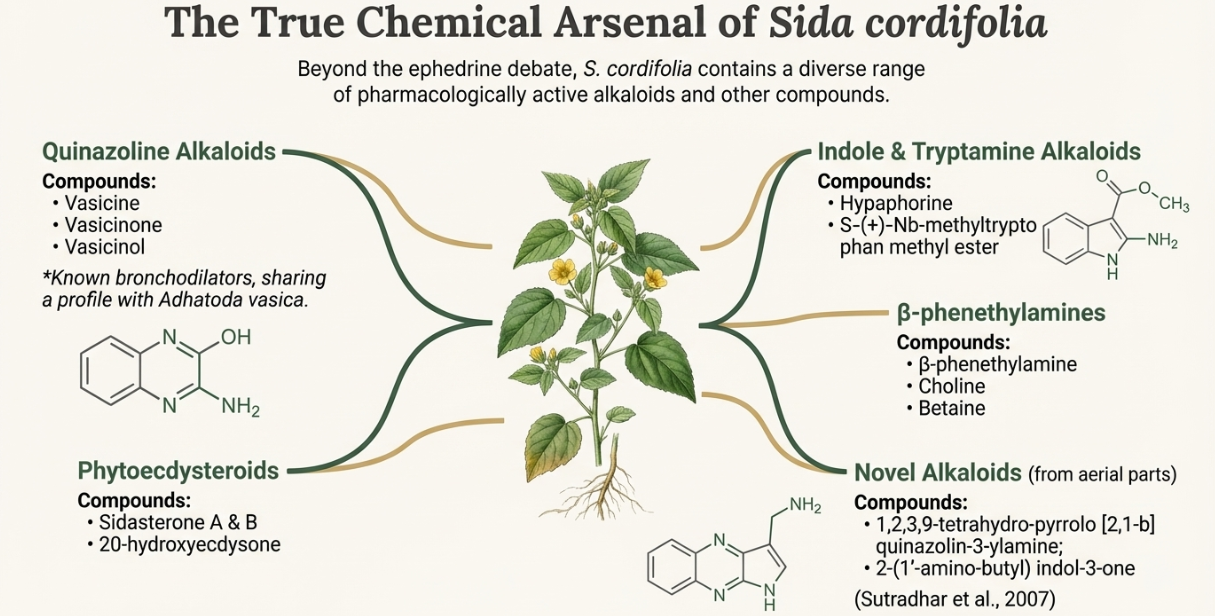
Figure 1. The major chemical constituents in the Plant S. cordifolia.
Table 2. Phytoconstituents present in the various plant part of S. cordifolia
|
Plant Part |
Key Phytoconstituents |
Reported Alkaloid % |
|
Whole Plant |
Ephedrine* |
0.085 % |
|
Seeds |
Sterculic, malvalic, and coronaric acids; fatty acids |
0.32 % |
|
Leaves |
Ephedrine*, pseudoephedrine |
0.28 % |
|
Stems |
Ephedrine* |
0.22 % |
|
Roots |
Ephedrine*, pseudoephedrine, vasicine, hypaphorine, betaphenethylamine, ecdysterone, saponine, choline, indole alkaloids |
0.06 % |
|
Aerial Parts |
Ephedrine*, pseudoephedrine, palmitic acid, stearic acid, β–sitosterol, quinazoline, hypaphorine, vasicinol |
0.31 % |
*Note: The presence of ephedrine in Sida cordifolia is highly controversial. Numerous analytical studies have failed to detect it, and its inclusion here reflects reports in the literature that are central to the scientific debate surrounding this plant's pharmacology and commercial use.
The Alkaloid Profile [9]
The alkaloids are among the most pharmacologically significant and studied components of Sida cordifolia.
- Quinazoline and Other Core Alkaloids: Key quinazoline alkaloids identified in the plant include vasicine, vasicinone, and vasicinol. These compounds are known for their bronchodilatory effects. Other foundational alkaloids isolated from the roots and aerial parts are β-phenethylamine, hypaphorine, and S-(+)-Nb-methyltryptophan methyl ester.
- The Ephedrine Controversy: The presence of ephedrine in S. cordifolia is a point of major scientific debate and commercial significance. Some sources report its presence in relatively low quantities (e.g., less than 2% in the leaves), which has led to the plant being marketed as a natural alternative to Ephedra in weight loss and athletic supplements. Ephedrine is a known central nervous system (CNS) stimulant. However, this claim is sharply contested by other scientific studies that have explicitly reported the absence of ephedrine in their analyses of authenticated plant samples. This discrepancy has significant implications for the plant's efficacy, safety, and regulatory status, and it remains a critical unresolved issue in the scientific literature.
- Other Contentious Alkaloids: Similar to ephedrine, conflicting reports exist regarding the presence of the indoloquinoline alkaloid cryptolepine. While some studies have isolated it from plant material identified as S. cordifolia, others have reported its absence, raising questions about botanical identity or regional chemotypic variations.
- Newly Identified Alkaloids: More recent research on the aerial parts of the plant has led to the isolation and characterization of four new alkaloids:
1. 1,2,3,9-tetrahydro-pyrrolo [2,1-b] quinazolin-3-ylamine
2. 5′-hydroxymethyl-1′-(1,2,3,9-tetrahydro-pyrrolo [2,1-b] quinazolin-1-yl)-heptan-1-one
3. 2-(1′-amino-butyl) indol-3-one
4. 2′-(3H-indol-3-ylmethyl)-butan-1′-ol
- These compounds represent two novel quinazoline alkaloids (1, 2) and two novel indole alkaloids (3, 4), further expanding the known chemical diversity of the plant.
Flavonoids, Steroids, and Other Constituents
Beyond its alkaloids, S. cordifolia contains a variety of other bioactive compounds.
- Flavonoids: Two bioactive flavones, 5,7-dihydroxy-3-isoprenyl flavone and 5-hydroxy-3-isoprenyl flavone, have been isolated from the chloroform extract. Additionally, three new flavonol C-glycosides have been identified in the aerial parts.
- Steroids and Phytoecdysteroids: The plant contains common plant sterols such as β-sitosterol and stigmasterol. Phytoecdysterones, including sidasterone A and sidasterone B, have also been reported from the roots.
- Fatty Acids: The seeds are a source of notable cyclopropenoid fatty acids, including malvalic acid and sterculic acid, as well as coronaric acid.
The complex interplay of these diverse chemical constituents is responsible for the wide range of biological effects observed in pharmacological studies.
SCIENTIFICALLY VALIDATED PHARMACOLOGICAL ACTIVITIES
While the long history of traditional use provides a valuable roadmap for research, modern pharmacological studies are essential for scientifically validating these claims and elucidating the underlying mechanisms of action. A significant body of preclinical research has been conducted on Sida cordifolia extracts and its isolated compounds, confirming many of its traditional applications while also revealing unexpected effects. This section will review the key experimental evidence for the plant's biological activities.
Neuropharmacological Effects: A Depressant, Not a Stimulant [10]
One of the most significant findings from modern research stands in stark contrast to the marketing claims made by some supplement companies. Based on the purported (and controversial) presence of ephedrine, S. cordifolia is often promoted as a CNS stimulant for weight loss and energy enhancement. However, multiple independent animal studies have demonstrated the opposite effect. Experimental evidence from studies by Franco et al. (2005) and Medeiros et al. (2005) clearly shows that hydroalcoholic extracts of S. cordifolia act as a CNS depressant. In animal models, administration of the extract produced sedation and a significant dose-dependent reduction in spontaneous locomotor activity, directly contradicting the stimulant hypothesis.
Analgesic and Anti-inflammatory Properties [6]
The traditional use of S. cordifolia for pain and inflammation is strongly supported by scientific evidence. In animal models, extracts have been shown to increase pain tolerance in the hot plate test and significantly inhibit the number of writhes produced by acetic acid, indicating both central and peripheral analgesic effects. The plant's anti-inflammatory properties have been demonstrated in the carrageenan-induced rat paw edema model, where hydroalcoholic extracts significantly reduced swelling.
Notably, these activities are not solely attributable to the crude extract; isolated compounds, including the new alkaloid 5′-hydroxymethyl-1′-(1,2,3,9-tetrahydro-pyrrolo [2,1-b] quinazolin-1-yl)-heptan-1-one and two flavones (5,7-dihydroxy-3-isoprenyl flavone and 5-hydroxy-3-isoprenyl flavone), have also been individually shown to possess significant analgesic and anti-inflammatory effects.
Hepatoprotective Activity [11]
Sida cordifolia has demonstrated considerable liver-protective effects in various experimental models. This activity has been attributed in part to the presence of fumaric acid. Studies have shown that an aqueous extract of the plant stimulates liver regeneration following partial hepatectomy in rats. Furthermore, ethanolic extract was found to ameliorate alcohol-induced hepatotoxicity by reducing oxidative stress and down-regulating the expression of inflammatory transcription factors.
Cardiovascular Effects: Hypotension and Bradycardia [12]
Consistent with its CNS depressant activity, the cardiovascular effects of S. cordifolia also contradict the stimulant narrative. Aqueous extracts administered to non-anesthetized rats have been shown to induce significant hypotension (a decrease in blood pressure) and bradycardia (a decrease in heart rate). Mechanistic studies suggest this hypotensive and bradycardic response is mediated primarily through the stimulation of muscarinic receptors. The hypotension appears to result from direct stimulation of endothelial M3 receptors leading to vasorelaxation, while the bradycardia is attributed to indirect cardiac muscarinic activation.
Metabolic and Endocrine Effects [13]
Research has uncovered promising metabolic effects that align with some of the plant's traditional uses and may offer a more plausible mechanism for weight management than CNS stimulation. Multiple studies have demonstrated that S. cordifolia extracts possess significant blood-sugar-lowering activity. This hypoglycemic effect has been proposed as a scientifically plausible mechanism for any weight management benefits, as controlling blood glucose can help reduce the storage of fat. In streptozotocin-induced diabetic rats, administration of an alcoholic extract led to a significant decrease in total cholesterol, triglycerides, and low-density lipoprotein (LDL), indicating a beneficial effect on lipid profiles.
Antioxidant and Neuroprotective Potential in Parkinson's Disease [14]
Linking directly to its traditional use in nervous system disorders, S. cordifolia has shown significant potential in models of neurodegenerative diseases. Its antioxidant activity has been confirmed through multiple in vitro assays, showing effective free-radical scavenging and inhibition of lipid peroxidation in rat brain homogenates. This potent antioxidant capacity is directly linked to its neuroprotective effects. In animal models of Parkinson's disease using neurotoxins like rotenone and reserpine, S. cordifolia extracts were shown to ameliorate the induced oxidative stress, reverse biochemical changes (such as dopamine depletion), and attenuate the characteristic behavioral deficits (like catalepsy and orofacial dyskinesia). These findings suggest a strong mechanistic link where the plant's potent free-radical scavenging and inhibition of lipid peroxidation directly counteracts the oxidative stress that is a core pathological driver in these neurodegenerative models.
Other Validated Activities [3]
A range of other biological activities has been documented in preclinical studies:
- Anticancer and Cytotoxic: Extracts have demonstrated cytotoxic effects on HeLa (human cervical cancer) cells. The isolated alkaloid cryptolepine has been shown to induce p21 expression and cell cycle arrest in a human osteosarcoma cell line.
- Antiviral (Anti-HIV): An isolated hydroxyl unsaturated fatty acid, (10E, 12Z)-9-hydroxyoctadeca-10,12-dienoic acid, was found to be an exceptional inhibitor of the nuclear export of the HIV-1 Rev protein, a process essential for viral replication.
- Wound Healing: In rat models, ethanol extracts have been shown to significantly accelerate wound contraction and increase the tensile strength of both incision and burn wounds, supporting its traditional use in wound dressing.
- Antimicrobial: The results regarding antimicrobial activity are mixed. While some studies report that extracts inhibit the growth of specific bacteria (e.g., F. verticillioides) and fungi, other studies using different panels of microbes have reported no significant activity.
These findings highlight the plant's diverse pharmacology, but also underscore that its safety profile must be carefully considered.
TOXICOLOGY, SAFETY, AND CONTRAINDICATIONS [1,2,4]
While Sida cordifolia has a long history of traditional use, a modern assessment of its safety is paramount. Acute toxicity studies in animal models suggest that the plant has a low toxicity profile, with reported LD50 values being very high (e.g., >3 g/kg orally). However, the potential risks associated with its chemical constituents, particularly the contested presence of ephedrine, cannot be overlooked.
Excessive use of products containing S. cordifolia, especially those that may contain ephedrine, could potentially lead to side effects such as insomnia, anxiety, nervousness, increased blood pressure, and in severe cases, stroke. Due to the sympathomimetic activity of some of its alkaloids, specific contraindications have been noted. Ayurvedic formulations containing the plant should not be prescribed concurrently with:
- Cardiac glycosides (risk of cardiac rhythm disturbances)
- Monoamine oxidase (MAO) inhibitors (risk of potentiating sympathomimetic activity and hypertension)
- Ergot alkaloids (risk of severe hypertension)
Pregnant or lactating women and individuals with high blood pressure, heart disease, or thyroid conditions should not take this herb except under expert guidance.
DISCUSSION AND FUTURE PERSPECTIVES
This section synthesizes the preceding information to critically assess the state of current knowledge on Sida cordifolia and to propose a clear path forward for future research. A comprehensive analysis reveals a plant of significant therapeutic promise, but one whose scientific narrative is complicated by critical inconsistencies in both its chemistry and botanical identity.
Synthesizing Evidence and Reconciling Contradictions
There is a remarkable convergence between many of the plant's traditional applications and its scientifically validated pharmacological properties. Its demonstrated anti-inflammatory, analgesic, and antioxidant activities provide a strong scientific rationale for its traditional use in treating 'vata' disorders, which in modern terms encompass rheumatism, arthritis, and various neurological ailments. The potent neuroprotective effects observed in preclinical models of Parkinson's disease directly support its ancient reputation as a remedy for nervous system disorders.
However, a major contradiction pervades the modern literature and commercial landscape. Sida cordifolia is simultaneously marketed as a stimulant for weight loss and athletic performance, while rigorous experimental evidence demonstrates its CNS depressant, hypotensive, and bradycardic effects. The commercial claims are almost entirely predicated on the purported presence of ephedrine, a finding that is scientifically tenuous and contested. The observed hypoglycemic and anti-hyperlipidemic activities present a more plausible, albeit entirely different, scientific mechanism for its potential metabolic benefits. This fundamental contradiction highlights the danger of marketing herbal products based on incomplete or controversial chemical data [15-20].
Addressing Gaps: The Need for Chemical and Botanical Clarity
The most critical gaps in the current body of research relate to fundamental issues of identity and composition.
1. Chemical Ambiguity: Resolving the controversies surrounding the presence of ephedrine and cryptolepine is paramount. The presence or absence of these potent alkaloids has profound implications for the plant's safety, efficacy, and regulatory status. Until this is definitively settled, the safety of commercial S. cordifolia products remains questionable.
2. Botanical Ambiguity: The widespread confusion surrounding the 'Bala' drug in commerce undermines both consumer safety and research integrity. It is essential to address this taxonomic ambiguity through the mandatory use of standardized botanical and chemical authentication methods, such as HPTLC and DNA barcoding, for all research materials and commercial products. This will ensure consistency, quality, and the validity of scientific findings.
CONCLUSION
Sida cordifolia is a controversial medicinally vital plant, deeply rooted in the history of traditional medicine and now increasingly supported by a significant body of preclinical pharmacological evidence. Its validated anti-inflammatory, neuroprotective, metabolic, and hepatoprotective properties confirm its status as a plant of immense therapeutic importance. However, its future as a reliable modern therapeutic agent is contingent upon resolving the critical and persistent issues of chemical and botanical standardization. The controversy over its ephedrine content and the taxonomic confusion surrounding 'Bala' must be addressed through rigorous scientific inquiry. With a concerted research effort focused on resolving these ambiguities and moving promising preclinical findings into the clinical arena, Sida cordifolia has the potential to yield novel and effective treatments for a range of challenging inflammatory, metabolic, and neurodegenerative diseases.
ACKNOWLEDGEMENTS
None.
CONFLICT OF INTEREST
The author has no conflict of interest.
REFERENCES
- Jain A, Choubey S, Singour PK, Rajak H, Pawar RS. (2011). Sida cordifolia (Linn) – An overview. Journal of applied pharmaceutical Science. 01(02):23-31.
- Galal A, Raman V, A Khan I. (2015). Sida cordifolia, a traditional herb in modern perspective–a review. Current Traditional Medicine. 1(1):5-17.
- Khurana N, Sharma N, Patil SH, Gajbhiye AS. (2016). Phyto-pharmacological properties of Sida cordifolia: A review of folklore use and pharmacological activities. Asian J Pharm Clin Res. 9(8):52-58.
- Jiménez-Ferrer E, Herrera-Ruiz M, Campos-Vidal Y, Flores-Franco G, Monterrosas-Brisson N. (2025). Sida L.: Ethnobotany, Pharmacology, and Phytochemistry: A Review. Plants. 14(19):3115.
- Ahmed H, Juraimi AS, Swamy MK, Ahmad-Hamdani MS, Omar D, Rafii MY, et al. (2018). Botany, chemistry, and pharmaceutical significance of Sida cordifolia: a traditional medicinal plant. InAnticancer plants: Properties and Application: Volume 1. Singapore: Springer Singapore. pp. 517-537.
- Sutradhar RK, Rahman AM, Ahmad MU, Datta BK, Bachar SC, Saha A. (2006). Analgesic and antiinflammatory activities of Sida cordifolia Linn. Indian Journal of pharmacology. 38(3):207-208.
- Rajeev SP. (2020). Effect of" Sittamatti (Sida cordifolia Linn.) kudineer (decoction)" in respiratory complaint-cough. Int J Res. 8(8):24-36.
- Sobreira AL, Albuquerque JB, Queiroz WA, Souza PI, Fernandes DA, Souza MD. (2023). Phytochemical and pharmacological aspects of the alkaloids of malvaceae sensu lato species: A review. Química Nova. 46(5):460-469.
- Sutradhar RK, Rahman AK, Ahmad MU, Saha K. (2007). Alkaloids of Sida cordifolia L. Indian journal of chemistry. Section B, Organic including medicinal. 46(11):1896-1900.
- Franco CI, Morais LC, Quintans-Júnior LJ, Almeida RN, Antoniolli AR. CNS pharmacological effects of the hydroalcoholic extract of Sida cordifolia L. leaves. J Ethnopharmacol. 2005 Apr 26;98(3):275-279.
- Rakesh SA. Phytochemical Investigation and Screening of Hepatoprotective Activity of Adina Cordifolia (Roxb.) Hook. Bark (Master's thesis, Rajiv Gandhi University of Health Sciences (India)).
- Medeiros IA, Santos MR, Nascimento NM, Duarte JC. (2006). Cardiovascular effects of Sida cordifolia leaves extract in rats. Fitoterapia. 77(1):19-27.
- Ahmad M, Prawez S, Sultana M, Raina R, Pankaj NK, Verma PK, et al. (2014). Anti-hyperglycemic, anti-hyperlipidemic and antioxidant potential of alcoholic-extract of Sida cordifolia (areal part) in streptozotocin-induced-diabetes in wistar-rats. Proceedings of the National Academy of Sciences, India Section B: Biological Sciences. 84(2):397-405.a
- Pujari GR, Subramanian V, Rao SR. (2022). Neuroprotective role of Celastrus paniculatus Willd and Sida cordifolia Linn on kainic acid-induced neuronal damage in neurodegenerative diseases. Pharmaceutical Sciences Asia. 49(3):282-291.
- Ravi Kanth V, Diwan PV. (1999). Analgesic, antiinflammatory and hypoglycaemic activities of Sida cordifolia. Phytotherapy Research: An International Journal Devoted to Pharmacological and Toxicological Evaluation of Natural Product Derivatives. 13(1):75-77.
- Momin MA, Bellah SF, Rahman SM, Rahman AA, Murshid GM, Emran TB. (2014). Phytopharmacological evaluation of ethanol extract of Sida cordifolia L. roots. Asian Pacific journal of tropical biomedicine. 4(1):18-24.
- Joseph B, Ajisha AU, Kumari S, Sujatha S. (2011). Effect of bioactive compounds and its pharmaceutical activities of Sida cordifolia (Linn.). Int J Biol Med Res. 2(4):1038-1042.
- Dhalwal K, Deshpande YS, Purohit AP, Kadam SS. (2005). Evaluation of the Antioxidant Activity of Sida cordifolia. Pharmaceutical biology. 43(9):754-761.
- Kumar S, Kumar S, Vishnoi VK, Kumar P, Maheshwari DK. (2024). Sida cordifolia L.: Ethnobotany, Phytochemistry, Phytonanotechnology, and Commercial Application. Current Pharmaceutical Biotechnology. 25(7):838-859.
- Das C, Bose A, Mallick S, Das D. (2019). Development of standardization parameters of crude drugs used in Ayurvedic Balarista formulation. Oriental Pharmacy and Experimental Medicine. 19(4):455-467.
